R V septic tank treatment is a product sold for septic systems, but its ingredients and claims depend on the current label. It should not be expected to fix a failing tank, clear a blockage, or replace septic pumping. Check the package before use, and ask a septic professional about symptoms the product cannot explain.
A septic additive may sound like an easy way to care for a system. This can appeal to a property owner who wants to avoid trouble or protect a new home. But a product label is not proof that a treatment can solve every septic problem.
This guide explains how to assess R V septic tank treatment without guessing about its formula or results. Product labels can change, so the package you have is the best source for ingredients and directions. A septic professional can help assess concerns that a product cannot diagnose.
Table of Contents

- What is R V septic tank treatment?
- What claims does R V septic tank treatment make?
- What actually happens to additives inside a septic tank?
- Can septic tank treatment improve septic system performance?
- Can septic additives replace routine pumping?
- Are septic tank treatments safe for tanks and drainfields?
- When might using R V septic tank treatment be a poor choice?
- How should you evaluate the product’s evidence and instructions?
- What are safer alternatives to septic tank additives?
- What is the verdict on R V septic tank treatment?
What is R V septic tank treatment?
R V septic tank treatment is a product sold for use in a septic system. Check the current package to learn what it is meant to do. Its name does not tell you its ingredients, how it works, or whether it fits your system. The label and directions are the best place to start.
How the product is presented and what its label says
The label should tell you how to use the product, what it contains, and how much to add. It may also say which kind of system it is meant for. Follow its directions. Do not use a product in a different way just because it also deals with waste.
Before using R V septic tank treatment, read the label and keep a copy. The package may make claims about odor, waste breakdown, or system care. Those claims do not prove that it prevents a clog, repairs a damaged tank, or removes the need for pumping. If the label is unclear, ask the maker or a qualified septic professional.
A renter or new owner may not know the tank’s age, design, or past care. A product label cannot fill in those missing details. Records from an owner, property manager, or local health office may help. If records are missing or you see signs of trouble, a professional can inspect the system.
How it differs from septic tank pumping
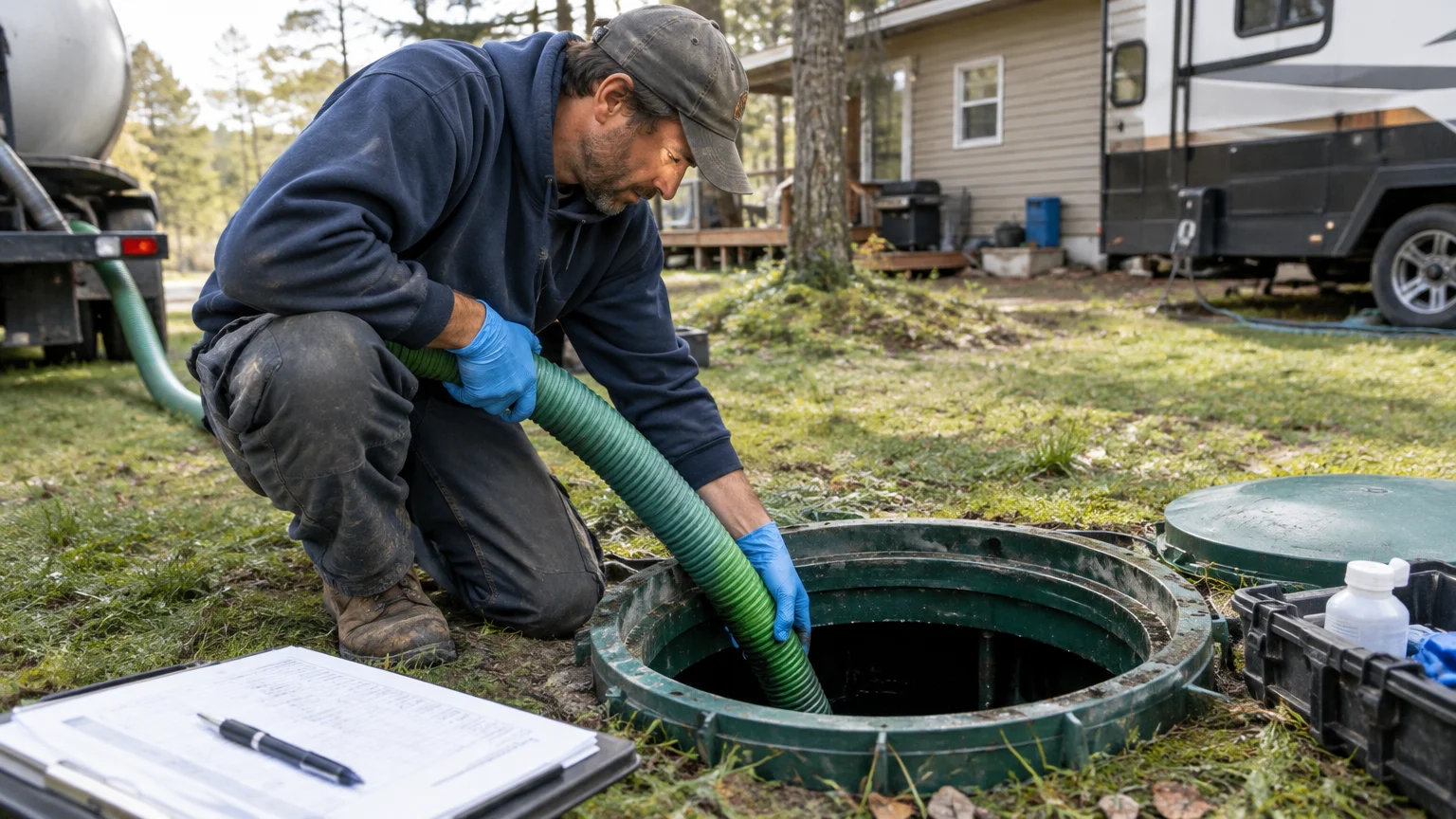
Pumping removes built-up solids and liquid from a septic tank with service equipment. An additive is a product placed into the system. It does not remove tank contents, and it cannot show whether the tank needs service.
This difference matters. A septic tank holds wastewater so solids can settle and some material can break down. The liquid then flows toward the drainfield. Soil in the drainfield gives the wastewater more treatment. A product label cannot confirm that the tank, pipes, or drainfield are in good shape.
The U.S. Environmental Protection Agency explains that a septic system uses a tank and drainfield as key parts of treatment. Its septic systems overview describes the basic system and its care. Homeowners can ask Septic Tank Pumping Athens about system concerns, but they should still check a product’s directions against their system and records.
What claims does R V septic tank treatment make?
Read the current package to find the claims for R V septic tank treatment. Without that label, it would be wrong to say that the product promises a certain result. Septic treatments may be sold with claims about waste breakdown, odor, or system performance, but each claim needs a close look.
Claims about waste breakdown and tank performance
A claim about breaking down waste describes what a product is said to do to material in the tank. It does not mean that all solids disappear, that the tank stays clean, or that the system can go without inspection. A tank also separates solids from liquid, and solids still build up over time.
A promise of better tank performance can be hard to judge without clear proof. The label may not say how a result was tested, which system was tested, or how long the result lasted. Do not treat a broad claim as a promise for every tank, home, or business.
Odor claims need care too. A smell can come from a dry plumbing trap, a vent issue, a blockage, or a septic system concern. A treatment might cover up a smell without fixing its cause. If a strong smell lasts, look for the source instead of adding more product.
Claims about preventing maintenance or septic problems
A product that says it helps prevent problems does not mean it prevents every kind of failure. Do not assume it can repair a cracked tank, broken pipe, blocked line, or wet drainfield. These issues need a review of the property and system.
Be careful if a message says a treatment can replace routine care. The tank may still need inspection and pumping, based on its design, use, and condition. If a label seems to promise that a system will never need pumping, ask for clear proof and compare the claim with professional advice.
A careful review looks at three things: what the package says, what proof supports that claim, and what you hope the product will do. Septic Tank Pumping Athens can help property owners talk through symptoms and care options. That talk does not prove a product claim unless the system has been checked.
What actually happens to additives inside a septic tank?
After a product enters a septic system, it follows the system’s usual flow. Its ingredients may mix with wastewater, change, settle, or leave with the liquid. The exact result depends on the ingredients and the system, so a product name alone cannot tell you what will happen.
How solids, wastewater, and naturally occurring microbes behave
A septic tank is a buried container that holds wastewater from a property. Heavy material settles at the bottom as sludge. Lighter material may form a scum layer near the top. The liquid between these layers flows toward the drainfield. Microbes, which are tiny living things, already in the tank help break down some waste.
An additive may contain ingredients that are meant to affect waste breakdown. But a tank is not an empty container that only needs a dose of product. Wastewater enters whenever people use sinks, toilets, and other plumbing. Solids keep arriving, and the amount in the tank changes over time.
This is why a product should not be judged only by how tank contents look. The tank’s condition depends on the amount of solids, its structure, its pipes, and the way wastewater flows. Checking these parts takes safe access and proper inspection. Never enter a septic tank. Its gases and small space can be deadly.
What happens when ingredients enter the drainfield
Liquid leaving the tank moves into the drainfield. This is a group of buried pipes or other parts that lets wastewater soak into the soil. Soil helps treat the liquid as it moves through the ground. If the drainfield is damaged or overloaded, a product cannot be assumed to fix it.
Ingredients in a treatment may travel with wastewater, but the result depends on the product and system. Do not assume an additive is harmless to pipes, soil, groundwater, or tank parts just because it is sold for septic use. Check the label for safe-use directions and limits.
The system’s location and condition matter too. Poor drainage, wet ground, or wastewater backing up may point to a problem beyond the tank. Do not use a treatment to delay a careful review when warning signs appear. Keep the package nearby so a professional can read its ingredients and directions.
Can septic tank treatment improve septic system performance?
A septic tank treatment may affect a process named on its label, but it cannot be assumed to improve the whole system. Performance depends on the tank, pipes, drainfield, soil, and how people use water. A product cannot repair damaged parts or confirm that the system works well.
What an additive might affect—and what it cannot repair
If a product has ingredients meant to act on waste, it may be made to affect some material in the tank. The label should say what it is meant to do. That is not proof that it can prevent a backup or help every system last longer.
A treatment should not be expected to fix a broken pipe, leaking tank, or blocked outlet. It cannot lift a sunken drainfield or change poor soil. These problems need a proper check and repair plan. Adding a product does not show which part has failed.
For simple checks, a homeowner may not need a professional. You can look for odd wet spots, note slow drains, check for visible leaks, and write down when problems began. These checks do not require opening the tank. They can help you explain the issue, but they cannot replace an inspection.
Why a symptom may point to a maintenance or system problem
A slow toilet or sink might be a local plumbing issue. Several slow drains at once may point to a wider concern. A wet patch near the drainfield, sewage odors, or wastewater backing up needs quick attention. Symptoms can have more than one cause, so a treatment is not a reliable way to find the problem.
A septic tank riser is an extension that brings an access point closer to ground level. It can make access easier, but it does not show that the system is healthy. Knowing how deep a tank is buried or where it sits can help with access and safety. It cannot tell you if pumping is needed.
Property owners in Athens should write down symptoms and use less water if wastewater is backing up. Keep people away from wet or unsafe areas. Septic Tank Pumping Athens can discuss what to do when signs point to a system issue. A qualified professional can assess the tank and drainfield.
Can septic additives replace routine pumping?
No septic additive should be expected to replace routine pumping. Pumping removes built-up material from a tank, while an additive does not. System care should be based on its use and condition, not only on whether someone has added a treatment.
Why accumulated sludge and scum still need inspection
Sludge and scum build up as a septic system is used. If too much collects, solids may move toward parts meant to carry liquid. This can lead to clogs or other harm. An additive cannot show how thick these layers are or confirm that the tank is ready for more use.
An inspection lets a professional check the tank and its parts. They may look at sludge and scum, baffles, access points, and signs of damage. Baffles are parts that help guide wastewater through the tank. The findings help show whether pumping or other work is needed. Product directions cannot replace this direct check.
Homeowners can help by keeping records of past pumping and inspections. Note the number of people in the home, changes in water use, and any warning signs. These details help a professional review the system. Never climb into a tank or lean into an opening to inspect it.
How pumping intervals depend on the system and household
There is no one pumping schedule that fits every property. Tank size, the number of people using it, water use, system condition, and past care can all affect when service is needed. A qualified professional can suggest a plan after learning about the tank and how it is used.
The question “septic tank when to pump” is best answered through inspection and records, not an additive claim. A home that uses more water may need a different care plan from one that uses less. A larger tank does not mean the system can be ignored.
Buyers and investors can ask for care records when they review a property. First-time owners can find out where the tank and drainfield are, then keep that information with home records. These steps make future care easier and reduce guesswork. A treatment may be a product choice, but it cannot replace knowing the system’s condition.
Are septic tank treatments safe for tanks and drainfields?
Whether a septic tank treatment is suitable depends on its ingredients, label directions, and the system’s design. Do not assume a product is safe for every tank or drainfield without checking these details. Start with the label and look for limits and warnings.
How to assess product ingredients and label directions
Read the full label before adding any product. Check that it names septic systems, gives clear directions, and lists warnings. Look for details about how much to use, when to use it, how to store it, and what to do if it touches skin or eyes. Follow the package instead of guessing or adding more.
If the ingredient list is unclear, ask the maker to explain what the product contains. A professional can also review the label alongside a known system concern. This can help when a home has an older tank, a private well, or past drainfield trouble. A missing warning does not prove there are no limits.
Do not mix septic products unless the label says it is safe. Mixing household chemicals or treatments can create risks and may harm plumbing or system parts. Keep products in their original packages, away from children and pets. Follow local rules to dispose of leftover product; do not pour it down a drain.
Potential concerns for pipes, soil, groundwater, and system components
A product moves through parts of the home’s plumbing and septic system. Its ingredients may also reach the drainfield with wastewater. It makes sense to think about possible effects on pipes, tank parts, soil, and nearby water. Marketing words alone cannot answer these questions.
Do not flush things that may not break down, such as wipes labeled flushable, paper towels, grease, and hygiene products. These items can add material or cause trouble in pipes and tanks. Limiting extra water use can also help keep a system from being overloaded.
A septic system may be near a well or other water source, so take a leak or failure seriously. If the property has a private well, local health officials can explain care and testing advice. A professional can check the septic system and discuss concerns about product ingredients. Do not use a treatment to hide a leak or odor.
When might using R V septic tank treatment be a poor choice?
Using R V septic tank treatment may be a poor choice when warning signs are present or the label does not clearly support the planned use. An additive should not delay help for a backup, leak, or possible drainfield problem. These signs need a proper check, not a guess based on product claims.
Warning signs that call for inspection rather than an additive
Several signs may mean a system needs attention. One sign can have another cause, but signs that return or get worse deserve a closer look. A treatment cannot tell you what is wrong or make an unsafe condition safe.
- Wastewater backs up into a toilet, tub, or floor drain.
- Several drains become slow at the same time.
- A strong sewage smell is inside or outside the property.
- Ground near the tank or drainfield is wet, soft, or foul-smelling.
- The drainfield area has odd green growth or standing wastewater.
If wastewater backs up, use less water and keep people away from the affected area. Do not open the tank or touch sewage. Write down where the signs occur and when they began. This can help a professional decide what to check.
Why treatment products should not delay professional diagnosis
A symptom may come from a plumbing blockage, tank issue, damaged pipe, or drainfield failure. These problems need different answers. Adding a treatment before finding the cause may waste time and let damage continue.
New buyers and property investors should take care too. A seller’s receipt for a product does not prove that the septic system was checked or works well. Before a sale or major repair, records and a professional review can help explain what is known and what remains uncertain.
If you do not know where the tank is, a professional or local records office may help find it. The answer to “how to find a buried septic tank” is not to dig without a plan. Utility lines, buried tanks, and pipes can create safety risks. Tank depth varies by property, so guessing can harm the system or cause injury.
How should you evaluate the product’s evidence and instructions?
A fair review of R V septic tank treatment starts with the current label. Then check whether clear proof supports its claims. A broad claim does not show how a treatment will work in a certain home. Good evidence explains what was tested and what the result means.
What to look for on the label and in supporting claims
The package should name the product, its use, ingredients, directions, and warnings. Read the whole label instead of relying on a short shelf or website description. If the directions do not fit your system or concern, do not guess at a safe amount.
Supporting information is more useful when it explains the test, the kind of system, and the limits of the result. A claim using words like “proven” or “safe” should explain what those words mean. A result from one setup may not fit every home, business, tank, or soil type.
Some buyers ask, “what size septic tank for 3 bedroom house.” Bedroom count alone may not give the answer in every case. Local rules, system design, expected use, soil, and approved plans may matter. System records or the tank label are a better place to start than a treatment package.
Questions to ask before adding any product to a septic system
A few simple questions can help you decide whether a product is worth considering. They also keep your focus on the system, not only on a broad promise.
- Does the label say the product is meant for this kind of septic system?
- What ingredients are listed, and are there warnings or limits?
- What result does the maker claim, and what proof supports it?
- Could a blockage, leak, or system failure explain the symptom instead?
- Has the tank been checked, and are past care records available?
If you cannot answer these questions, waiting is safer than adding a product blindly. You can do basic upkeep, such as fixing dripping taps and avoiding improper flushing, without hiring a professional. But a problem in a buried tank or drainfield needs a proper check. Keep the package or a clear photo of its label for that talk.
What are safer alternatives to septic tank additives?
A safer choice than relying on an additive is steady system care. Simple home habits can reduce strain, while records and professional checks can help find problems. These steps cannot promise that a system will never fail, but they give you better information than a product claim alone.
Everyday habits that protect the tank and drainfield
You do not need a professional for ordinary, safe habits. Use sinks and toilets as intended, fix leaks, and keep grease and items that do not break down out of drains. Spreading laundry and other water-heavy tasks can also limit sudden demands on the system.
A household can follow a short care list:
- Flush only human waste and toilet paper.
- Keep wipes, paper towels, grease, and hygiene products out of toilets and drains.
- Fix leaks and avoid wasting water when possible.
- Keep vehicles and heavy equipment off the tank and drainfield.
- Keep records of inspections, repairs, and pumping.
These habits help families, tenants, landlords, and business owners. Tenants should know who looks after septic care and how to report warning signs. Owners should share the system’s location and care instructions with people who use the property. Do not plant trees or dig near buried parts until you know where they are.
Inspection, maintenance, and pumping by qualified professionals
A septic professional can check parts that are not safe or easy for a homeowner to see. They can review the tank, look for signs of trouble, and discuss whether pumping or repair is needed. The right service depends on what the check finds, not on a product’s general promise.
Before buying a property, ask for service records and find out who last checked the system. If records are missing, an assessment can give you a starting point. If you do not know how deep the tank is buried or where it sits, look for plans and local records, then ask a professional about safe access.
People may search for septic tank pump services or a septic system pumping service when they need help. Choose a qualified provider who can explain what the system needs. Septic Tank Pumping Athens can discuss concerns and help property owners understand what an assessment may involve. Treatment should not replace an inspection when signs of trouble appear.
What is the verdict on R V septic tank treatment?
The practical answer is to judge R V septic tank treatment by its current label and supporting evidence, and keep your hopes realistic. Its name does not prove it can repair a system, prevent every problem, or replace pumping. Regular care and a proper diagnosis are safer ways to make decisions.
A buyer may choose a treatment if its directions are clear and it suits the system. Still, treat it as a product, not a repair plan. If the system has odors, slow drains, wet ground, or backups, finding the cause matters more than adding an additive.
Key takeaways
- Check the current package for ingredients, directions, warnings, and intended use.
- Do not assume an additive removes sludge or replaces pumping and inspection.
- Watch for signs such as backups, odors, slow drains, or wet ground.
- Keep records and use simple habits to care for plumbing and the drainfield.
- Ask a qualified professional to assess symptoms or unclear product claims.
Frequently Asked Questions
What is a septic tank?
A septic tank is a buried container that receives wastewater from a home or other property. Solids settle, lighter material rises, and liquid flows toward the drainfield. The tank and drainfield work together, so a treatment added to the tank cannot show whether both parts work well.
How deep is a septic tank buried?
There is no single burial depth for every septic tank. Depth depends on the property, system design, and installation. Plans, permits, or local records may help you find it. Do not dig based on a guess. Buried pipes and utility lines can be damaged, and opening a tank can be unsafe.
What is a septic tank riser?
A septic tank riser is an extension that brings the tank’s access opening closer to the ground. It can make professional access easier and reduce digging. A riser does not show whether the tank needs pumping or whether the system works well.
Can R V septic tank treatment stop septic odors?
Check the product label to see if it claims to address odors. A smell can have several causes, including plumbing, a vent, a blockage, or a septic system concern. If the smell lasts or grows stronger, find its cause instead of relying only on treatment.
Can an additive fix a septic backup?
Do not rely on an additive to fix a backup. A backup may come from a blocked pipe, a full tank, or another system problem. Use less water, avoid contact with wastewater, and get help to find the cause. Do not open or enter the tank.
Conclusion
Septic care is easier when owners know their system, keep useful records, and act on warning signs. R V septic tank treatment is worth considering only after you check its label and claims. It cannot take the place of inspection, pumping, or repair when the system needs care.
For property owners in Athens with septic system questions, Contact us to discuss the concern and possible next steps.
If you are not sure what you are dealing with, it is worth having someone look at it before it turns into a bigger job. Get in touch with Septic Tank Pumping Athens today and we will tell you where you stand.