The difference between cesspool and septic tank systems is how they hold and treat household wastewater. A cesspool collects waste in one chamber and lets liquid seep into nearby soil. A septic tank separates solids from liquid, then sends the liquid to a separate soil area. Knowing which system serves your Athens property helps you ask better questions and plan proper care.
A property owner may hear both terms during a home sale, a system check, or a visit from a septic worker. The words sound alike, but they describe different designs and wastewater paths. Finding out which system a property has can help owners, buyers, and tenants avoid wrong assumptions. It can also help them plan maintenance and ask about local rules.
Table of Contents
- What is the difference between a cesspool and a septic tank?
- What is a cesspool, and how does it work?
- What is a septic tank system, and how does it work?
- How do the parts of each system work together?
- What are the main differences in design and wastewater treatment?
- Are cesspools and septic tanks maintained differently?
- Which system is safer for people and the environment?
- Can a cesspool be replaced with a septic system?
- What are common misconceptions about cesspools and septic tanks?
- How can you identify which system a property has?
- Frequently Asked Questions
What is the difference between a cesspool and a septic tank?
A cesspool uses one chamber to collect waste and release liquid into nearby soil. A septic tank holds wastewater while solids settle, then sends liquid to a separate area for soil treatment. The tank is one part of a septic system, not the whole system. In Athens, checking the system type can help owners plan care and avoid guesswork.
Waste containment versus treatment and dispersal
A cesspool is a buried chamber that receives wastewater from a building. Liquid can pass through openings in its walls or soak into the ground below. Solids stay inside and build up over time. This design does not have the separate tank and drainfield used by a typical septic system.
A septic tank is a sealed container that holds wastewater. Heavy solids sink, while lighter material rises to the top. Liquid between those layers flows out through an outlet pipe. It usually goes to a drainfield, also called a soil absorption area, where soil helps filter and treat it.
People may mix up the terms because both systems sit underground and receive wastewater from a home or business. Older property records may also use a broad or outdated name. A buried tank or concrete cover, by itself, does not show which system is there.
The layout can differ from one property to another. Local rules, system age, soil, and lot size can all affect the design. Septic Tank Pumping Athens can help property owners understand why records and a proper inspection matter before they decide what type of system they have.
What is a cesspool, and how does it work?
A cesspool is an underground pit or chamber that collects wastewater and lets liquid seep into nearby soil. It may have porous walls, openings, or an unlined bottom. Solids collect inside, while liquid leaves through the sides or base. Its exact design can vary by property.
The basic structure and path of wastewater
Wastewater from toilets, sinks, showers, and other drains flows through a pipe into the cesspool. Heavy material settles at the bottom. Grease and other light material may form a layer near the top. Liquid between those layers can pass into nearby soil, based on the design and condition.
Older cesspools may be built from stone, brick, concrete blocks, or other materials. Some are simple pits, while others have a built chamber. Their shape and construction can differ even on nearby lots. A neighbor’s system is not proof that your property has the same design.
A cesspool does not have a separate drainfield in the usual septic-system layout. The soil right around the pit takes in the wastewater. If that soil cannot absorb liquid well, or the pit is full or damaged, wastewater may rise, back up, or reach the surface.
How it differs from a modern treatment system
A cesspool is not the same as a septic system with a tank and drainfield. Its design does not separate waste storage from liquid release as clearly. An older property may still have a cesspool, but that does not prove it meets current local rules or is safe to keep using.
The U.S. Environmental Protection Agency describes cesspools as underground wastewater systems that may put drinking water at risk when they are poorly placed or cared for. Owners should check state and local rules instead of assuming a system is allowed because it has been there for years. The rules may depend on the system type and where it sits.
What is a septic tank system, and how does it work?
A septic tank system handles household wastewater in stages. Wastewater flows into a tank, solids settle or float, and liquid then moves to a drainfield. Soil in the field provides further treatment as the liquid moves through the ground. The tank is only one part of this process.
The tank, outlet, and soil absorption area
A typical system has a pipe from the building, a septic tank, an outlet, and a drainfield. The tank is a watertight container. The drainfield is a group of pipes or other approved parts set in soil or a designed treatment area. It spreads wastewater so it can soak into the ground over time.
A septic tank can sit at different depths. There is no single depth for every property. Soil, climate, system design, and local rules all affect where it goes. A septic tank riser is a tube that brings an opening closer to the ground surface. It can make inspections and septic pumping easier by making the lid easier to reach.
The drainfield needs the right soil and enough space to work. Vehicles, buildings, and heavy equipment can harm buried parts or press down the soil. Owners should learn where the tank and field are before yard work or property changes. A marked plan can help protect these areas.
How solids and wastewater are separated
Inside the tank, heavy solids settle at the bottom as sludge. Grease and other light material may float and form a scum layer. The clearer liquid between those layers leaves through the outlet. Baffles or filters may help keep solids from reaching the drainfield.
The tank does not make wastewater clean enough to release anywhere. It is one step in a larger system. The drainfield and soil also help handle the liquid that leaves the tank. If solids enter the field or the soil cannot take in water, the system may have trouble.
A system’s size depends on its design and expected use, not just a simple bedroom count. A suitable tank for a home must be confirmed using local rules and site details. Owners should use permits, plans, or a qualified inspection instead of guessing. A septic tank replacement also needs to follow the rules for that property.
How do the parts of each system work together?
A cesspool receives wastewater and releases liquid into soil near the same chamber. A septic system uses separate stages: the tank holds and separates waste, then the drainfield spreads liquid into soil. The layout affects where treatment happens and which parts need care. Knowing the path can help owners understand system problems.
Cesspool and septic system flow comparison
The flow paths can be shown in a simple text diagram:
- Cesspool: Home drains → cesspool chamber → liquid seeps into nearby soil; solids remain in the chamber.
- Septic system: Home drains → septic tank → outlet pipe → drainfield → soil treatment.
This is a guide, not a plan for a specific property. Real systems may include filters, pumps, distribution boxes, or other parts. Some properties use a designed treatment system because the soil or lot needs a different layout. An inspection can help show which parts are present.
What happens after wastewater leaves the house
In both designs, wastewater starts in the building’s plumbing. It moves by gravity or, in some systems, with help from a pump. A blocked pipe inside the building may seem like a septic issue. The source of trouble needs to be checked before anyone decides what repair is needed.
When wastewater reaches a cesspool, the chamber holds it and releases liquid into nearby ground. In a septic system, wastewater first stays in the tank. The outlet carries liquid from there to the drainfield, where it spreads into the soil.
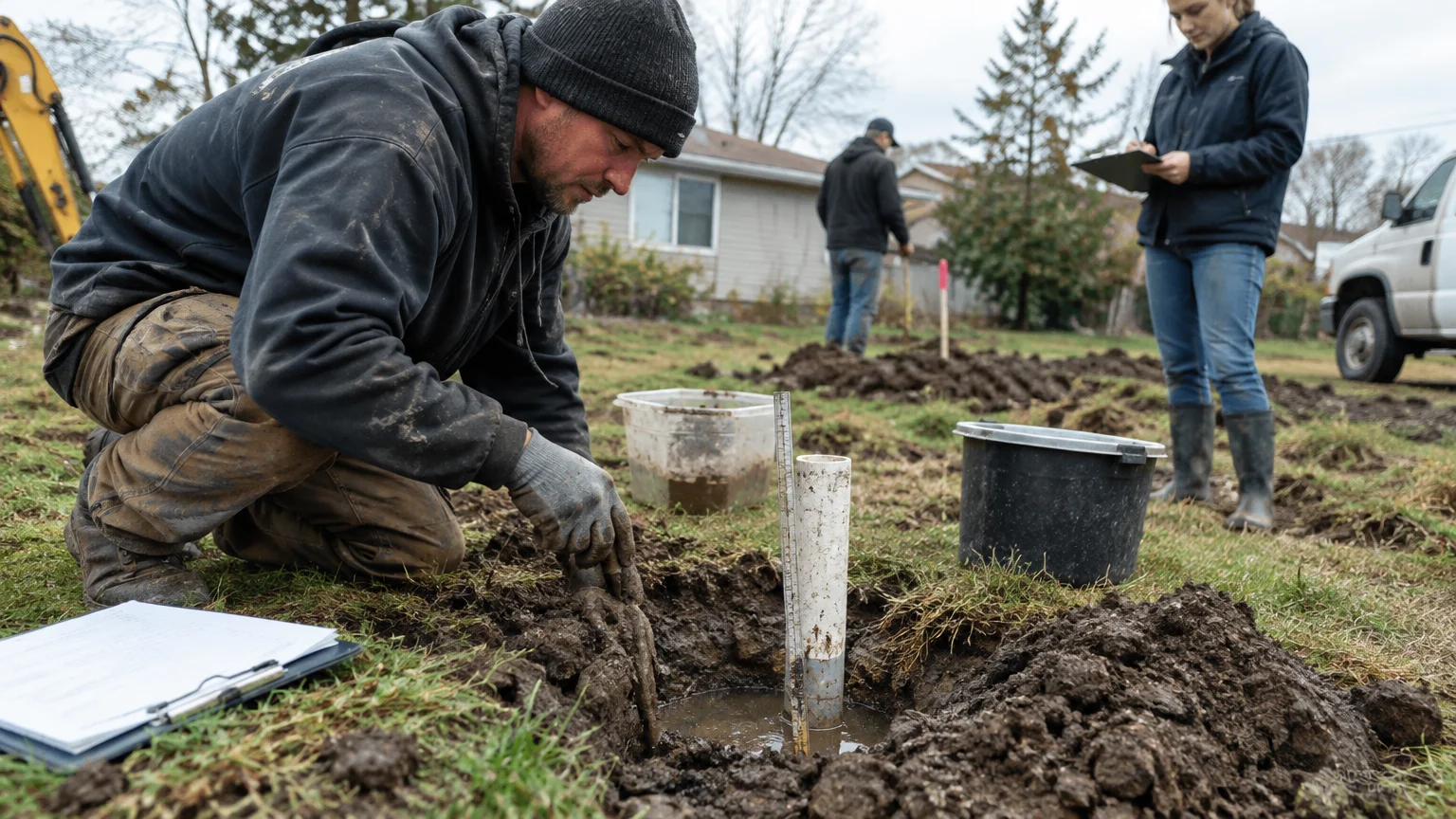
Soil is not just empty space around buried equipment. Its layers and condition affect how water moves and how well treatment can happen. Soil that is too wet, packed down, or unsuitable may limit system choices. A perc test is a soil test that checks how quickly water drains. Local officials use site findings and rules when reviewing plans.
What are the main differences in design and wastewater treatment?
A cesspool uses one chamber to collect waste and let liquid move into nearby soil. A typical septic system separates waste collection from liquid dispersal. Its tank holds solids, while a separate drainfield spreads liquid through soil for more treatment. The difference between cesspool and septic tank designs affects how wastewater moves across a property.
Containment, settling, treatment, and dispersal
The septic tank gives solids time to settle and lighter material time to float. This helps reduce the amount of solid waste moving toward the field. The drainfield spreads liquid across a wider area. Natural processes in the soil help treat the wastewater as it moves downward.
A cesspool separates these steps less. Wastewater enters one chamber, and liquid can pass into soil close to that chamber. How much treatment happens depends on the design, soil, and system condition. A worn or damaged cesspool may let waste move in ways that raise risks.
Why a septic tank usually has a separate drainfield
A separate drainfield gives wastewater more area to soak into the ground. This helps keep all the liquid from entering the soil in one small spot. The field still needs a suitable design for the property. It should also be kept clear of heavy use that could damage it.
Neither system can be identified by its cover or depth alone. A septic tank may be buried so its lid is not visible. A cesspool may also have a hidden cover. A professional can check records, use locating tools, and inspect parts safely.
A septic system is not a sewer connection. It handles wastewater on the property, and all its parts work together. If the tank, outlet, or field fails, the full system can have trouble. Regular checks can help owners notice changes before they become a bigger concern.
Are cesspools and septic tanks maintained differently?
Both systems need care, but the right steps depend on their design and condition. Septic systems often need tank checks and pumping as solids build up. Cesspool care may include checking the chamber and its condition. Local rules may limit or ban continued use of a cesspool, so owners should ask what applies.
Pumping, inspections, and signs of trouble
Septic tank pumping removes solids and scum that have built up in a tank. It does not fix a damaged tank or restore a failing drainfield. A trained worker can inspect the system and explain what the findings mean. Pumping needs depend on tank size, household use, and system condition.
Owners can handle some simple care themselves. They can keep service records, learn where system parts are, use water wisely, and keep vehicles off the tank and field. They do not need a professional for these basic steps. But they should not open a tank, climb inside, or try to pump it. Septic tanks can hold harmful gases and lack safe air for breathing.
Watch for warning signs such as:
- Slow drains or plumbing backups that affect several fixtures.
- Wet or unusually soft ground near the tank or drainfield.
- Wastewater smells indoors or outdoors.
- Unusual green growth over a drainfield during dry weather.
- Alarms or pump trouble in a system with electrical parts.
One warning sign does not prove the cause. A plumbing blockage, broken pipe, high groundwater, or system failure can look alike. A prompt check can help find the source and limit contact with wastewater. For a serious backup or rising wastewater, keep people and pets away and seek help quickly; emergency pumping or 24/7 service may be relevant when the system is actively failing.
Why care depends on use and condition
A home with more people or heavier water use may put more demand on its system. A leak can send extra water into the tank. Grease, wipes, and other unsuitable items can also cause trouble. Owners should follow system instructions and local health department advice.
The EPA recommends regular septic system checks and pumping based on the system and household, rather than one schedule for every property. Its septic system overview explains basic care and why system needs vary. For an older cesspool, ask local officials what rules apply before planning routine service.
Which system is safer for people and the environment?
A properly designed and working septic system can help treat wastewater before it moves through soil. A damaged, poorly placed, or overflowing cesspool can create more risk of contact or groundwater pollution. The true risk depends on the system, soil, nearby water, and how well each part works. An inspection can give property owners better information than a surface check.
How leaks, backups, and discharge create risks
Wastewater can carry germs and other pollutants. Contact with sewage can make people sick. A backup inside a building, wet ground over a system, or wastewater on the surface needs quick attention. Keep children and pets away from affected spots, and do not touch or walk through sewage.
The location of a private well, stream, or other water source matters. Soil can filter wastewater, but it cannot make every system safe in every place. Shallow groundwater, floods, poor soil, or a damaged chamber can raise concerns. Local health officials can advise owners about testing and rules for their area.
The EPA notes that poorly designed or failing septic systems can affect nearby water and public health. Its septic system guidance explains how the tank and drainfield work together. Do not assume the ground around a buried system is safe just because there is no smell.
Why the condition and site both matter
A system can have hidden damage even when the surface looks fine. A lid may be sound while a pipe is broken, or a drainfield may be clogged below the grass. Records and a trained inspection give better evidence than appearance alone. A property owner should not rely on smell or lawn growth to judge the system.
Age does not tell the whole story either. A newer system can fail if it is used poorly or damaged. An older system may still work, but local rules may limit repairs or continued use. If a property has a cesspool, ask the local health department about its status and any next steps.
Can a cesspool be replaced with a septic system?
A cesspool may be replaced, but the choices depend on the property and local approval. Soil, groundwater, lot size, nearby wells, access, and existing parts can all affect the design. A qualified designer or local health department can explain what may be allowed. Owners should not begin work until they know the rules.
Site conditions that affect replacement options
A septic system needs room for a tank and treatment area. If the lot is small, steep, wet, or near a well, a standard layout may not fit. A soil test and site review can help show which designs may work. In some cases, another approved treatment system may be needed.
An old cesspool should not be treated as a ready-made septic tank. Its material, size, location, and condition may not suit a new system. Whether it can be reused, closed, or removed depends on local rules and a professional review. Do not fill or change a cesspool without approval.
Why local health department requirements matter
Rules for onsite wastewater systems differ by state and local area. A permit may be needed for replacement, repair, or a change in use. Local officials can explain tests, setbacks, design reviews, and inspections. Approval before work starts can help prevent a system that cannot be accepted for use.
A buyer, investor, or current owner can gather property records and ask whether permits or inspection reports exist. Requirements in Athens can differ from one property to another. Septic Tank Pumping Athens can help explain septic tank pumping and system-care questions, but the right local authority decides whether a replacement is approved.
What are common misconceptions about cesspools and septic tanks?
A buried system is not automatically safe, and no smell does not prove it works well. A cesspool and a septic system are not two names for the same design. Their parts, wastewater paths, and local rules need to be checked before anyone makes a choice. Clear records can help correct mistaken ideas.
Misconceptions about treatment, odors, and age
One common mistake is thinking a septic tank fully cleans wastewater. The tank separates waste, but the drainfield and soil are key parts of treatment. A tank with no working outlet or field cannot do the whole job by itself. Each part needs to work as part of the system.
Another mistake is assuming a cesspool is harmless because the ground looks dry. Problems may stay underground or show up only in wet weather or after heavy use. A system can also have a plumbing backup without a strong smell. Warning signs should be checked instead of ignored.
Some people use “cesspool” as an insult for a dirty or corrupt place. That use is not a technical name for a wastewater system. In everyday speech, “the political cesspool” is a harsh phrase, not septic equipment. The technical meaning is an underground chamber for wastewater.
Why a cover or buried tank does not prove system type
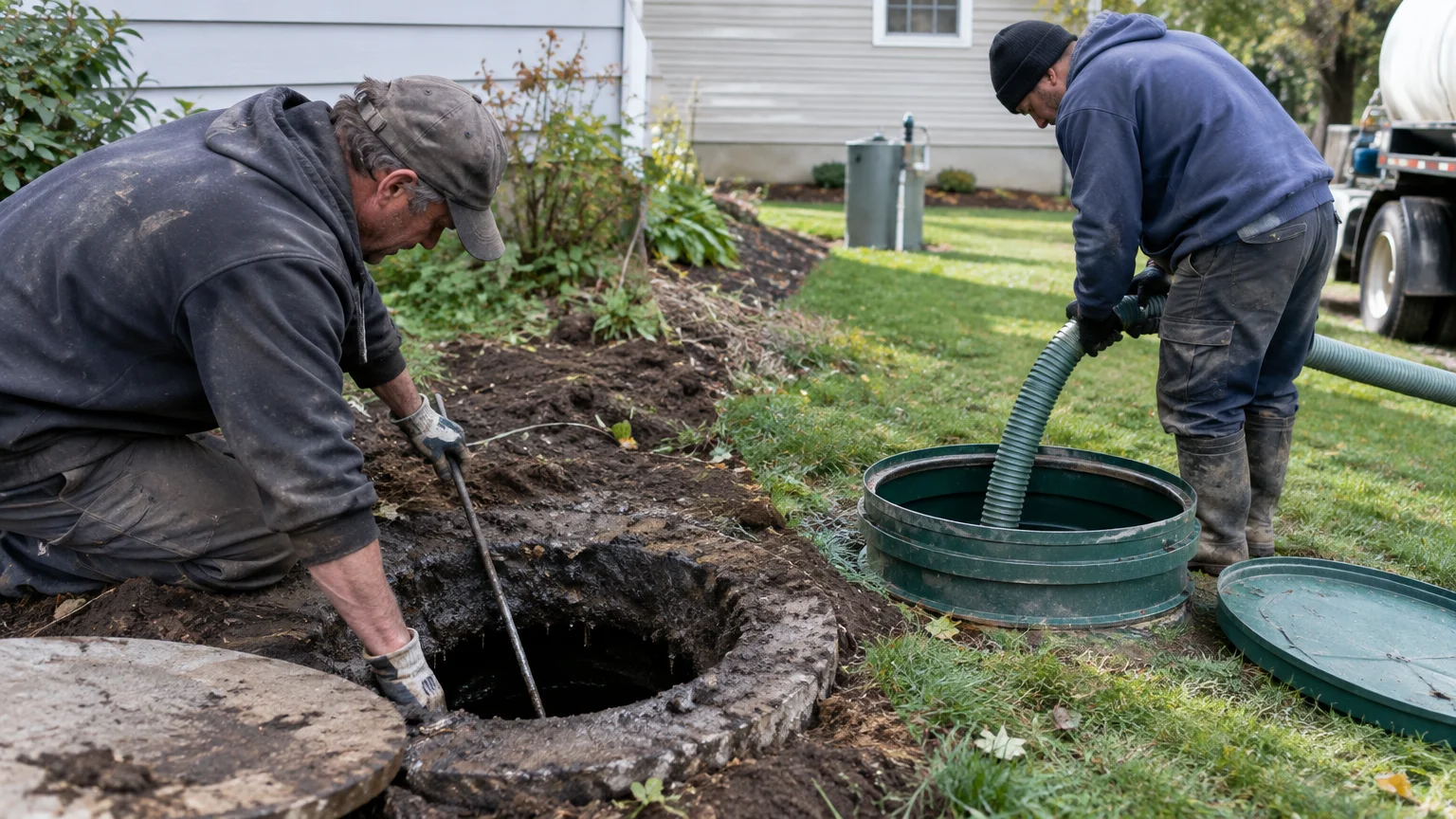
A concrete lid, access riser, or buried opening may appear on different systems. A septic tank riser brings an access point closer to the surface. It does not show whether a property has a drainfield or prove that the tank is in good condition. Records or an inspection can answer those questions.
People may also think a system that worked for years needs no care. Parts can wear out, soil can clog, and household use can change. Records and inspections help show what is there and how it works. Owners should not lift heavy covers or enter a tank to investigate.
How can you identify which system a property has?
Start with local permits, system plans, and inspection reports. These papers may show whether the property has a cesspool, a tank and drainfield, or another approved system. If records are missing or hard to read, a qualified professional can locate and inspect the system safely. This is safer than guessing from a lid or patch of grass.
Records, inspection findings, and property clues
A property file may include a site plan, permit, repair record, or past inspection report. Local health departments may keep some records, but access and detail can vary. A seller or landlord may also have documents. Ask for copies and check that they match the property being reviewed.
A professional may use a probe or electronic locator to find buried parts. They can inspect safe access points and look for an outlet pipe or drainfield. They may also look for clues in the yard, such as a long field area or an old chamber location. These clues can guide a check but do not replace records or direct inspection.
A septic tank may be buried several feet down, but there is no standard depth. Do not dig at random to find it. Utility lines, unstable ground, and heavy lids can make searching unsafe. A riser or marked site plan can make access easier if the system has one.
Questions buyers, owners, and tenants should ask
Before relying on a guess, ask what system serves the property and where its parts are. Buyers can request inspection records and check whether permits fit the visible layout. Owners should keep a clear map for future work. Tenants can ask the owner or manager who handles service and what to do if a backup happens.
Useful questions include:
- Is the system a cesspool, septic tank system, or another design?
- Are permits, plans, pumping records, or inspection reports available?
- Where are the tank, access points, and drainfield?
- Have there been backups, repairs, or wet ground near the system?
- Which local office can confirm the system’s status and rules?
Clear answers can help a household avoid damage and plan its next step. If records are missing, say so instead of guessing. A professional inspection and a check with local officials can fill in the gaps. That information can also help buyers and investors understand what care may be needed.
Frequently Asked Questions
What is the definition of a cesspool?
A cesspool is a buried pit or chamber that receives wastewater and lets liquid seep into nearby soil. Solids collect inside it. Unlike a typical septic system, it does not use a separate tank and drainfield for settling and dispersal. Its design and legal status can vary by location.
What is the difference between a cesspool and a septic tank?
A cesspool collects waste and releases liquid into nearby soil from one chamber. A septic tank holds wastewater and separates solids from liquid. The liquid usually flows to a separate drainfield for more soil treatment. The tank is one part of the septic system.
How can someone find a buried septic tank?
Start with property plans, permits, and service records. If they do not show its location, a qualified professional can use safe locating methods. Do not dig at random or lift a heavy cover. Buried utility lines, unstable soil, and harmful tank gases can make searching unsafe.
How deep is a septic tank buried?
There is no standard depth for every septic tank. Soil, system design, climate, and local rules affect its placement. Some tanks have risers that bring access points closer to the surface. Property plans or a professional locator are safer ways to find a buried tank.
What is a septic tank riser?
A septic tank riser is a tube or extension that connects a tank opening to a point closer to the ground. It can make the lid easier to find for checks and septic pumping. A riser does not change how the tank handles wastewater. It should have a secure cover.
Key takeaways
- A cesspool collects waste and releases liquid into nearby soil from one chamber.
- A septic system separates waste in a tank and sends liquid to a drainfield.
- Soil, system condition, and local rules affect safety and replacement choices.
- Owners can keep records and protect the field, but should not enter or open a tank.
- Property records and a safe inspection are better than guessing a system type.
Conclusion
Cesspools and septic systems both handle wastewater on a property, but their designs differ. A cesspool uses one chamber to collect waste and release liquid. A typical septic system separates solids in a tank, then sends liquid to a separate drainfield for soil treatment. Records and a safe inspection can show which system a property has and what care it needs.
For questions about septic tank pumping or system care, Contact us at Septic Tank Pumping Athens to discuss the property’s needs.
If you are not sure what you are dealing with, it is worth having someone look at it before it turns into a bigger job. Get in touch with Septic Tank Pumping Athens today and we will tell you where you stand.