The cost to replace a septic tank depends on the tank, the property, and the work needed around it. A basic tank swap may involve less work than a project with hard digging, system changes, or drain field repairs. Septic Tank Pumping Athens helps Athens property owners understand what shapes a quote. The final cost is confirmed in a quote based on the job.
Septic replacement can feel hard to plan because much of the system is underground. Knowing what affects the quote can help you ask clear questions and compare plans. The details of the tank, yard, and connected parts all matter. This guide explains the main cost factors and what to check before work begins.
Table of Contents
- What affects the cost to replace a septic tank?
- How does tank size affect replacement cost?
- How does access to the tank affect the cost?
- How does the type of septic system affect replacement cost?
- How does location affect septic tank replacement costs?
- What should a septic tank replacement quote include?
- When should you get a septic tank replacement quote?
- Key takeaways
- Frequently Asked Questions
- Conclusion
What affects the cost to replace a septic tank?
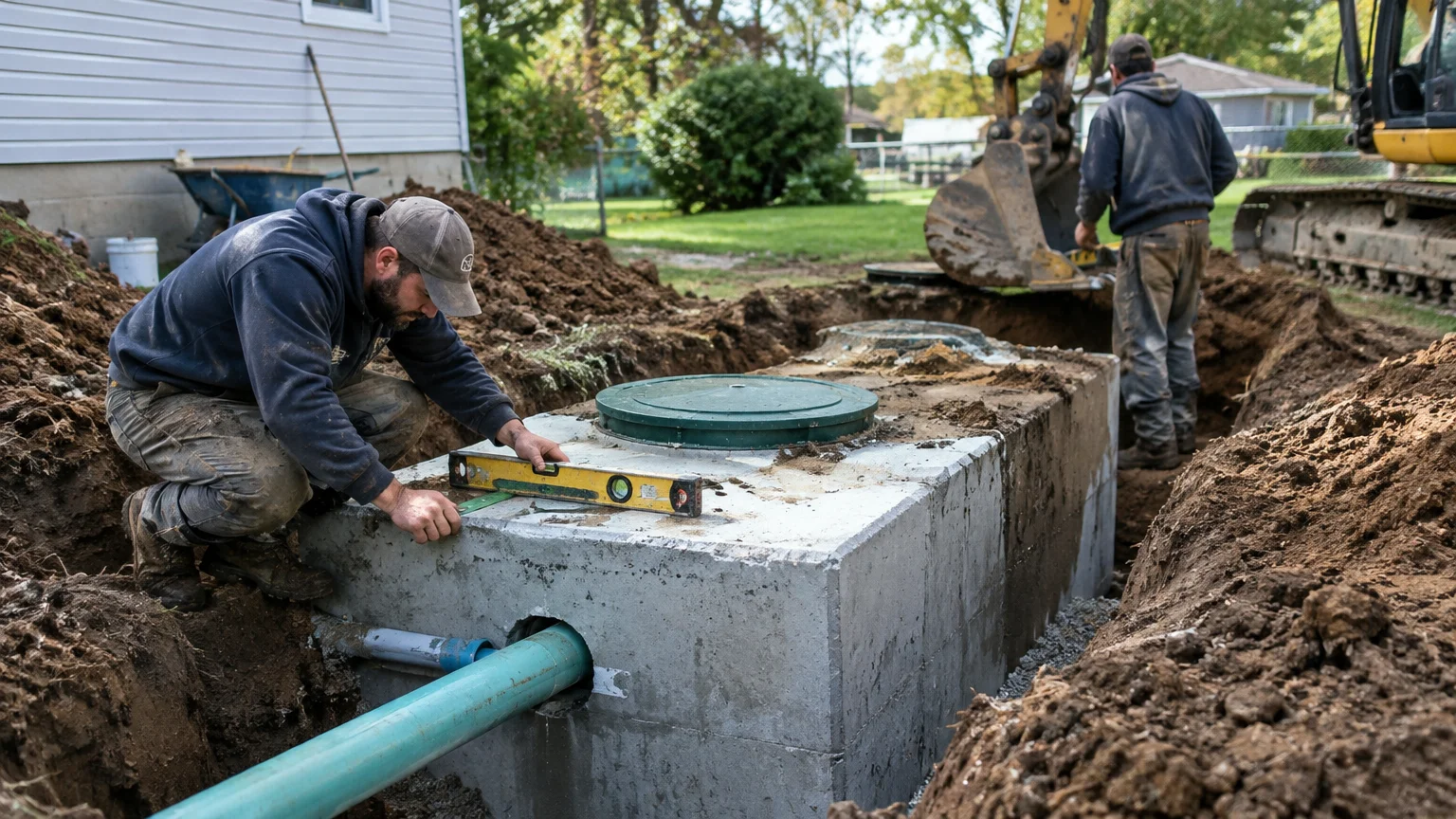
The cost to replace a septic tank depends on the tank, ground, access, and planned work. The quote may include more than taking out one tank and putting in another. First, learn which parts need care and what the property allows. These details help explain why one job may need more work than another.
How do site conditions and project scope shape the estimate?
A contractor needs to know where the tank is and how workers can reach it. Soil, slopes, groundwater, and nearby buildings can change how digging is done. The distance to a place for removed soil may also matter. These details help the crew plan safe equipment use and the work area.
A visit can reveal things that photos do not show. A buried tank may be hard to find when records are missing or the yard has changed. A septic tank riser is a pipe that brings the tank opening closer to the ground. It can make later checks easier, but its place and fit should be part of the plan.
Why can replacement involve more than installing a new tank?
The tank may not be the only part that needs work. Inlet and outlet pipes, lids, baffles, and the drain field may need checks too. A drain field is the part of a septic system that spreads treated wastewater into the soil. Damage there can add work to a tank replacement.
Ask which tasks the quote includes and which it leaves out. It may cover tank removal and setup but list yard work or pipe repairs separately. Clear details can help prevent confusion once the job starts. Septic Tank Pumping Athens can explain which property details may affect a replacement plan.
How does tank size affect replacement cost?
A larger tank may need more material, heavier equipment, and more effort to move and set in place. The right size depends on the home, how it is used, and local rules. Simply matching the old tank may not work if the property or system has changed.
How is the right tank capacity determined?
A septic professional can review the home layout, bedroom count, plumbing, and system records. For a three-bedroom home, the right tank still depends on local rules and the full system design. A trained professional should confirm the size instead of relying on a general rule found online.
The tank is only one part of the system. Soil and the drain field also affect how wastewater moves and is treated. A perc test, or percolation test, checks how quickly water moves through soil. It may help guide plans when the soil or replacement design needs review.
What can change when a property needs a larger tank?
A larger tank may need a wider hole and a different way to move it into place. The site may also need more room for equipment. When the tank is near a home, fence, or driveway, the crew may need a careful plan to protect those features.
More tank capacity will not fix a damaged drain field or poor soil. The tank and the other system parts must work together. Ask why a certain size is recommended and whether the pipes and field can support it. The quote should name the tank and explain any related changes.
How does access to the tank affect the cost?
Hard access can add work because the crew may need to dig with care, move tools another way, or protect nearby areas. A tank in an open yard may be simpler to reach than one under a patio or behind a narrow gate. The yard layout is an important part of the estimate.
How do digging conditions and equipment access matter?
The crew needs a safe path to the tank and enough room to work. Soft ground, steep slopes, tree roots, and hard surfaces can affect digging. Wet or unstable soil may also need extra care. Planning helps keep the work area safe and limit harm to the yard.
Septic tanks can be buried at different depths. The depth depends on the system and property, so one depth does not fit every home. If you do not know where the tank is, check system records or ask a professional to locate it. Random digging can damage pipes or create a safety risk.
What property features can make removal more complex?
Driveways, decks, walls, sheds, and landscaping can block equipment or sit near the tank. The crew may need to protect these features or use another route. A narrow gate can also change how tools and materials reach the work area.
Before getting a quote, point out known pipes, wells, utility lines, and past repairs. Share any site plans or septic records you have. You can move loose items away from the work area, but do not open, enter, or try to move a septic tank. A septic tank is a confined space and should only be handled by trained professionals.
How does the type of septic system affect replacement cost?
The system type changes which parts, tasks, and checks may be needed. A conventional system often has a tank and a soil-based drain field. Other systems may use added treatment parts or different ways to handle wastewater. Their replacement plans can need more steps.
How do conventional and alternative systems differ?
A conventional system sends wastewater from the tank to a drain field. The soil then helps treat and spread the water. An alternative system is made for sites where a conventional layout may not suit the land or local rules. It may have extra parts that need special care.
Confirm the system type before planning the work. Records, inspection notes, and a site visit can help show what is in place. Ask if the new tank will work with the current system or if changes are needed. A tank by itself is not a complete septic system.
When might the drain field or other components also need work?
A failing drain field, damaged pipe, or worn part may need care during tank replacement. Slow drains, sewage smells, wet ground, or very green grass over the field call for a professional check. These signs can have different causes, so they do not prove that the tank has failed.
Septic tank pumping removes solids and lets a professional check the tank during routine care. Pumping does not fix a cracked tank or a failing drain field. The right next step depends on what an inspection finds. Ask whether the quote covers just the tank or repairs to connected parts too.
How does location affect septic tank replacement costs?
Local soil, weather, access, and rules can change the work a project needs. Nearby homes may still have different ground and system conditions. A quote should fit the property and the rules in Athens, Georgia, rather than rely on a broad estimate from another place.
How can local soil, climate, and regulations affect the project?
Slow-draining soil, high groundwater, or a sloped yard can affect digging and system design. Weather may change when the site is ready for work and how the soil behaves. Local rules may guide tank placement, system design, permits, and inspections. The plan should account for the rules that apply to the property.
Ask which approvals are needed and who will arrange them. You can also ask if an inspection must happen before the ground is covered. The steps depend on local rules and the job. Clear answers help you understand the work order and avoid assuming a tank can be changed without review.
Why can costs differ between properties in the same area?
Two homes in Athens may have different tank sizes, soil, system types, and access routes. One may have an open yard and clear records. Another may have paving over the tank and an unknown drain field. These differences can change the labor, tools, and work included.
Online averages may not tell you much about one property. When comparing the cost to replace a septic tank, compare quotes that cover similar work. Ask what each plan includes, what may be separate, and what findings could change the job. A quote based on the property gives you a clearer way to compare plans.
What should a septic tank replacement quote include?
A useful quote explains the work, materials, and tasks that are not included. It should say how the old tank will be handled and what happens after the new one is in place. The final cost is confirmed in a quote based on the property and agreed work.
Which removal, installation, and restoration tasks should be described?
Ask if the quote covers finding and uncovering the tank, removing or closing the old one, setting the new tank, and joining the pipes. It should also say if the crew will fill the hole and repair the yard. A clear work plan makes it easier to compare quotes fairly.
The quote should name the tank type and size. It should also list any work on risers, lids, pipes, or the drain field. If septic pumping is needed before removal, ask whether it is part of the plan. Do not assume lawn, paving, or other repairs are included unless the quote says so.
What permits, inspections, and exclusions should property owners check?
Ask who will handle permits and required inspections. The quote should list what is included and name key items that are not, such as drain field repairs or damage found after digging. Ask how the crew will discuss new work if hidden site issues come up.
A clear plan can show the order of work and what you need to do. Keep a copy of the quote and any system records. If a detail is not clear, ask for a simple explanation before agreeing to the job. You need to understand the full plan, not only the tank work.
When should you get a septic tank replacement quote?
Ask for a professional check if the tank is damaged, problems keep coming back, or an inspection finds a concern. One sign alone does not always mean the tank needs replacement. A professional can check the system, explain whether repair or replacement makes sense, and outline the next steps.
Which warning signs call for a professional assessment?
Sewage smells, wastewater backing up, wet ground near the tank or drain field, and very green grass can point to a problem. Slow drains throughout the home may also need attention. These signs can come from different issues, so an inspection is needed to find the cause.
Routine care can help you notice changes early. Keep vehicles and heavy items off the drain field, watch for new wet spots, and save records of pumping and repairs. You do not need a professional for these simple checks. But do not open or enter a tank or try to fix damaged parts yourself.
What information helps make a quote more accurate?
Share the property location, system records, tank location if known, and notes about recent signs or repairs. Photos of the access path and nearby features may help explain the site, but they do not replace a visit. Tell the provider about paving, gates, slopes, and other features near the tank.
Ask if the professional needs to check the tank, pipes, and drain field before writing the quote. Mention changes to the home, such as added bedrooms, if they may affect system use. Septic Tank Pumping Athens can help you learn what details to gather before discussing a replacement plan.
Key takeaways
- Tank size, site access, soil, and system type shape the work.
- The right tank depends on the home, system design, and local rules.
- Replacement may also involve pipes, the drain field, or yard repairs.
- A quote should list included work, exclusions, permits, and inspections.
- Owners can watch for warning signs, but trained workers should handle tank work.
Frequently Asked Questions
What is a septic tank?
A septic tank is a buried container that holds wastewater from a home or building. Solids settle inside, while wastewater flows to the next part of the system. The tank works with pipes and a drain field, so trouble in another part can affect the full system.
How deep is a septic tank buried?
There is no one depth for every tank. Depth depends on the system design, property, and past work. Records may show where the tank is, but a professional can help find it if they are missing. Do not dig at random because pipes or utility lines may be nearby.
What is a septic tank riser?
A septic tank riser is a pipe that brings an access opening closer to the ground. It can make routine checks and service easier because the tank lid is easier to reach. A professional can check if a riser fits the tank and can be installed safely.
What size septic tank does a three-bedroom house need?
The right size depends on local rules, the home, and the system design. Bedroom count can help guide the review, but it is not the only detail. A septic professional should confirm the size and check that the rest of the system can support it.
Does septic tank pumping mean the tank needs replacement?
No. Pumping removes built-up solids, but it does not prove that a tank has failed. A professional can check the tank and related parts to find the cause of a problem. Replacement may be needed due to damage or other system issues, but an inspection should guide the choice.
Conclusion
The cost to replace a septic tank depends on the property and the work involved. Tank size, access, system type, local conditions, and related repairs all matter. A clear quote should explain removal, setup, yard work, permits, inspections, and exclusions before the job begins.
For septic system help, contact Septic Tank Pumping Athens to discuss an assessment and replacement quote.
If you are not sure what you are dealing with, it is worth having someone look at it before it turns into a bigger job. Get in touch with Septic Tank Pumping Athens today and we will tell you where you stand.