The empty septic tank cost depends on the tank’s size, how full it is, how easy it is to reach, and the type of system. Local waste handling and any extra checks can also affect the work. A simple pump-out may take less work than a job with buried lids or hard-to-reach parts. The final cost is confirmed in a quote after the job details are reviewed.
A septic service quote can be hard to judge when the work is not clear. Knowing what may affect the job helps property owners compare quotes and ask useful questions. It can also help you plan routine maintenance before warning signs appear. In Athens, sharing what you know about the tank can help the provider understand the job.
Table of Contents
- How much does it cost to empty a septic tank?
- What factors affect the cost of emptying a septic tank?
- How does septic tank access affect the cost?
- Does the type of septic system change the emptying cost?
- How does location affect septic tank pumping costs?
- What should a septic tank emptying quote include?
- When should you get a quote for emptying your septic tank?
- Key takeaways
- Conclusion
- Frequently Asked Questions
How much does it cost to empty a septic tank?
The cost to empty a septic tank depends on the work needed at the property. Tank size, waste level, access to the lids, system parts, and local handling needs can all affect the quote. The service provider can confirm the final cost after learning about the tank and the site.
Why the final cost depends on the job
A routine pump-out and a more involved visit may not need the same work. A routine visit may focus on removing the tank’s contents. The provider may also need to find buried lids, work around obstacles, or check parts that affect safe pumping. These details can change the work plan and should be shared before the visit when possible.
A septic tank is a buried container that holds household wastewater. Solids settle inside while the liquid moves through the system. The tank’s size and condition help show what the job may involve. If you know the tank’s location, type, or past service dates, share that information when asking for a quote.
How pump-out costs compare with related septic services
Septic pumping removes liquid and settled waste from a tank. It does not fix every septic problem. A damaged pipe, failing pump, blocked filter, or drain field issue may need separate checks or repairs. Those jobs involve different work, so a pumping quote should say whether they are included.
For empty septic tank cost questions, Septic Tank Pumping Athens can help property owners understand which job details matter. Ask whether the quote covers pumping only or also names other checks. The final cost is confirmed in a quote based on the work agreed for the property. Septic tank replacement is a separate, larger job and should not be treated as part of a routine pump-out.
What factors affect the cost of emptying a septic tank?
Tank size, waste level, pumping history, and the amount of material removed can affect the work and quote. A provider may ask about these cost factors before confirming the job. Clear details help the provider plan the right equipment and explain what the visit includes.
How tank size and how full it is affect the work
A larger tank can hold more wastewater and solids than a smaller one. Its size may affect how much material needs to be removed and handled. The tank’s fill level matters too. A tank that has gone a long time without service may need more attention than one cared for on a regular schedule.
You do not need to open a tank to guess how full it is. Opening one can expose people to harmful gases, germs, and the risk of falling in. Instead, share the tank’s known size and past service records. A septic professional can check it safely and explain what work is needed.
How pumping frequency and waste volume can change the quote
How often a tank needs pumping can depend on household use, tank size, and how much wastewater enters the system. More people at a property can mean more wastewater and solids. Leaking taps or toilets can send extra water into the system, so fixing simple plumbing leaks is useful upkeep.
The right service timing is not the same for every property. Keep service records and ask a qualified provider to suggest a schedule for your system. They can explain whether the tank needs pumping now or whether another issue may be causing the signs you see. Septic Tank Pumping Athens can talk through these details without assuming every tank needs the same work.
How does septic tank access affect the cost?
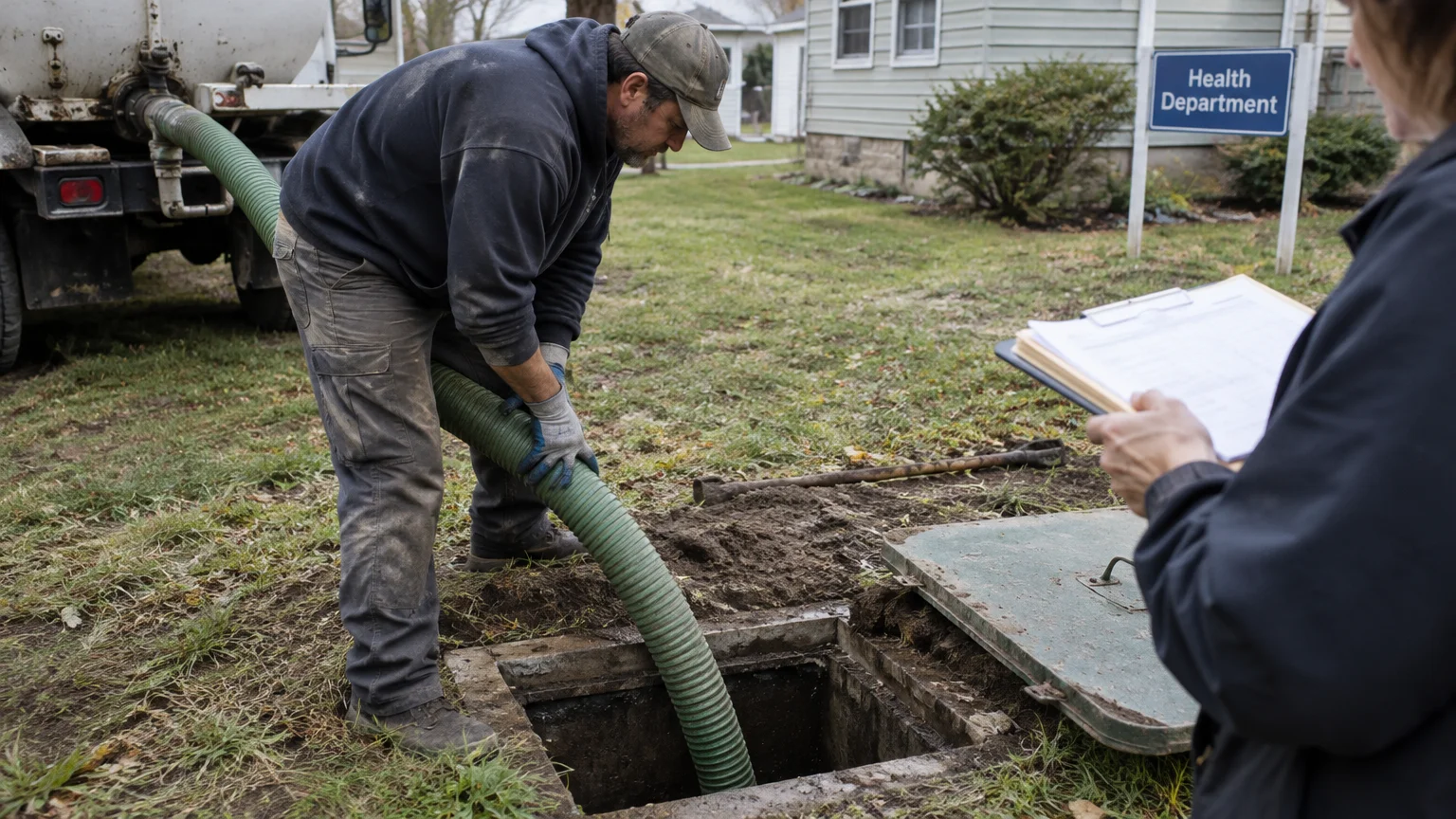
A tank that is easy to reach can make a pump-out simpler to plan. Buried lids, long hose runs, fences, plants, and parked vehicles may make access harder. Tell the provider what the site is like so the quote reflects the work conditions.
What makes a tank easy or difficult to reach
A clear path for the service vehicle and hose can help the crew reach the tank. A locked gate, narrow drive, steep ground, or soft soil may limit where equipment can go. Let the provider know about these conditions before the visit, especially if the tank is far from the driveway.
A septic tank riser is an extension that brings an access opening closer to ground level. It can make future checks and pumping easier because the crew may not need to uncover a deep lid. A qualified professional can tell you if a riser may suit the tank and local rules.
How buried lids, long hose runs, and obstacles affect the job
A buried lid may take extra work to find and uncover. If you do not know where the tank is, property records, site plans, or visible clues may help. Do not dig without checking for buried utility lines. You could damage a line or the septic tank, and a provider can help locate it more safely.
Before service, move items from the access path and keep children and pets away from the work area. These simple steps do not replace professional work, but they may help the crew reach the tank. Never enter a tank or lean over an open access point. Septic gases can be deadly.
Does the type of septic system change the emptying cost?
Yes. A conventional septic system may need different work from a system with pumps, filters, or other equipment. The provider should know the system type before preparing a quote. If you do not know it, records or a visit may help identify its parts and needs.
How conventional systems compare with alternative systems
A conventional system often has a septic tank and a drain field. A drain field is the area where liquid from the tank moves into the soil for more treatment. Other systems may use pumps or added parts to move or treat wastewater. These parts can change what a service visit needs to include.
A home inspection report or septic permit records may list the system type. Ask the seller or local health department about records that may be available. A perc test checks how quickly soil takes in water and may help with septic system planning. It does not tell you how an existing system has been cared for.
When filters, pumps, or additional components may need attention
Some systems have filters that help keep solids from moving toward the drain field. A pump may move wastewater through parts of the system. These parts may need care beyond routine tank pumping. Ask whether the quote includes checking or cleaning them, or only pumping the tank.
Do not ignore a warning light, alarm, or pump problem. Keep people away from electrical parts, and do not reach into a tank. A qualified septic professional can check the system and explain whether the issue relates to pumping, a part, or another repair. Clear details in the quote help avoid confusion about what is included.
How does location affect septic tank pumping costs?
Location can affect travel, disposal options, and the time needed to reach a property. Local rules may also shape how septic waste is handled. A provider serving Athens and nearby areas, including Downtown Athens, Watkinsville, Bogart, Bishop, and Winterville, can explain which site details matter and whether the location affects the work plan.
Why travel distance and local disposal requirements matter
A provider may travel to the property and then take the waste to an approved disposal site. The distance and available disposal options can affect the work involved. Ask how the provider handles the waste and whether local requirements change what the service includes.
Rules can differ by location, so do not assume every area follows the same process. Local health departments can often point residents to septic system guidance. Keep permits and system records with your property documents. These records can be useful if the home is sold or changes hands.
How regional conditions can influence service availability
Weather, soil, road conditions, and the distance between homes can affect when a service vehicle can reach a tank. Heavy rain may make some yards too soft for equipment. Rural properties may also be farther from providers or disposal sites than homes in town.
When asking for a quote in Athens, describe the driveway, yard, and tank location. If the property is outside the city center, share its location in the wider Athens area. This helps the provider judge access and plan the visit. A clear description is more useful than guessing how the location may affect the job.
What should a septic tank emptying quote include?
A clear quote should describe the planned work, the tank and access details used to prepare it, and what is not included. It should explain how the provider will handle changes found on site. Ask questions before agreeing if any part of the work is unclear.
The work and conditions to confirm before accepting a quote
Check that the quote names the service, such as pumping the tank. Confirm which tank or tanks are included and whether the provider knows about buried lids, long hose runs, or hard access. Ask what you need to do before the crew arrives.
The quote should also say whether the provider will look at visible parts of the system during the visit. Do not assume pumping includes repairs, filter cleaning, pump checks, or a full system check. A written description gives both sides a clear record of the work you agreed to.
How to clarify possible additional services or charges
Ask what happens if the provider finds a damaged lid, blocked filter, or pump problem. The quote should explain how extra work will be discussed and approved before it starts. Do not assume a repair is included unless the quote says so. The final cost is confirmed in a quote for the agreed work.
Useful questions include:
- Does the quote cover pumping the tank and handling its contents?
- Does the stated work include access needs or buried lids?
- Which checks of the system or its parts are included?
- How will the provider discuss work outside the quote?
- What information or access should I provide before the visit?
Clear answers help homeowners compare the work being offered, not just the words in each quote. Keep the quote with the property’s septic records. It can help future owners understand what was done and which parts may need separate care.
When should you get a quote for emptying your septic tank?
Ask for a quote when routine service is due, when buying or selling a property, or when signs point to a septic problem. Asking early can help a provider decide whether pumping is right or if the system needs another kind of check.
When routine maintenance is due or property ownership changes
Service records can show when the tank was last pumped and what the provider found. If records are missing, ask a qualified septic professional to review the system and suggest next steps. This can help first-time buyers, investors, and new owners who may not know the tank’s history.
Owners can do simple upkeep without opening the tank. Keep records, watch for plumbing leaks, and avoid putting grease, wipes, or other unsuitable items down drains. Keep heavy vehicles away from the tank and drain field as well. A professional is needed for tank access, pumping, and checks inside the system.
When warning signs suggest the tank may need prompt service
Slow drains, sewage smells, wet ground near the tank or drain field, or wastewater backing up can point to a septic problem. These signs do not prove the tank needs pumping. A blocked pipe, failing part, or drain field issue can cause similar signs, so a professional should check the system.
If sewage backs up into the home, use less water and keep people and pets away from the affected area. Do not open the tank or try to fix a pump or pipe. Contact a qualified provider to describe the signs and ask what steps are safe while you wait. Emergency pumping may be needed in some cases, but a professional should first assess the cause.
Key takeaways
- Empty septic tank cost depends on tank size, fill level, access, system type, and location.
- Pumping does not always include repairs, filter care, or checks of other system parts.
- A clear quote should state the planned work and explain how extra work is handled.
- Property owners can keep records and clear access, but should never enter a tank.
- Warning signs need a professional check because different septic problems can look alike.
Conclusion
Knowing what shapes a septic quote makes it easier to plan service and ask useful questions. Tank size, access, system parts, and local conditions all matter. You can prepare by sharing records and clearing the work area, but trained professionals should open and pump the tank.
For help discussing the work your property may need, Contact us about septic tank pumping in Athens. Septic Tank Pumping Athens can help you review the job details and arrange the next step.
Frequently Asked Questions
What is a septic tank?
A septic tank is a buried container that collects wastewater from a home or building. Solids settle inside, while liquid moves toward a drain field or another treatment part. The system needs proper care to work well. A septic professional can explain how your tank and its connected parts work.
How deep is a septic tank buried?
A tank’s depth can vary with its design, the property, and how it was put in place. Its lid may sit below the ground, so the surface may not show where the tank is. Check site plans or property records, or ask a qualified provider to find it safely.
How can a homeowner find a buried septic tank?
Start with septic permits, property records, or a site plan from the local health department. Some homes have visible cleanouts or access risers that can offer clues. Do not dig before checking for buried utilities. A septic professional can help find the tank and lower the risk of damage.
What size septic tank does a three-bedroom house need?
The right tank size depends on local rules, the home, and the septic system design. The number of bedrooms may be one part of planning, but it does not tell the whole story. Check the permit or ask the local health department or a qualified septic professional.
What is a septic tank riser?
A septic tank riser is an extension that brings a tank opening closer to the ground surface. It can make access easier for checks and pumping. A professional should confirm if a riser fits the tank and meets local rules. Never open a tank without proper training and safety steps.
If you are not sure what you are dealing with, it is worth having someone look at it before it turns into a bigger job. Get in touch with Septic Tank Pumping Athens today and we will tell you where you stand.