Leach field failure signs often include wet ground, pools of water, sewage smells, or drains that stay slow. These clues may mean wastewater is not soaking into the soil as it should. They do not prove the field has failed, but they are a reason to watch the pattern and seek a professional assessment if the signs last or return.
A soft patch in the yard or a new smell can be the first clue. Slow drains in several rooms may also point to a problem. The cause could be the field, tank, pipes, or soil around the system. In Athens, careful checks can help property owners choose a safe next step without guessing.
Table of Contents
- What are the most common signs of leach field failure?
- What do leach field failure signs mean?
- What are the most likely causes of leach field failure?
- How can you tell leach field failure from a temporary problem?
- What should you do when you notice leach field failure signs?
- When is a leach field problem an urgent health or safety issue?
- How do professionals diagnose leach field failure?
- Can a failing leach field be repaired, or does it need replacement?
- How can you help prevent future leach field problems?
- What are the key takeaways about leach field failure signs?
- Frequently Asked Questions
What are the most common signs of leach field failure?
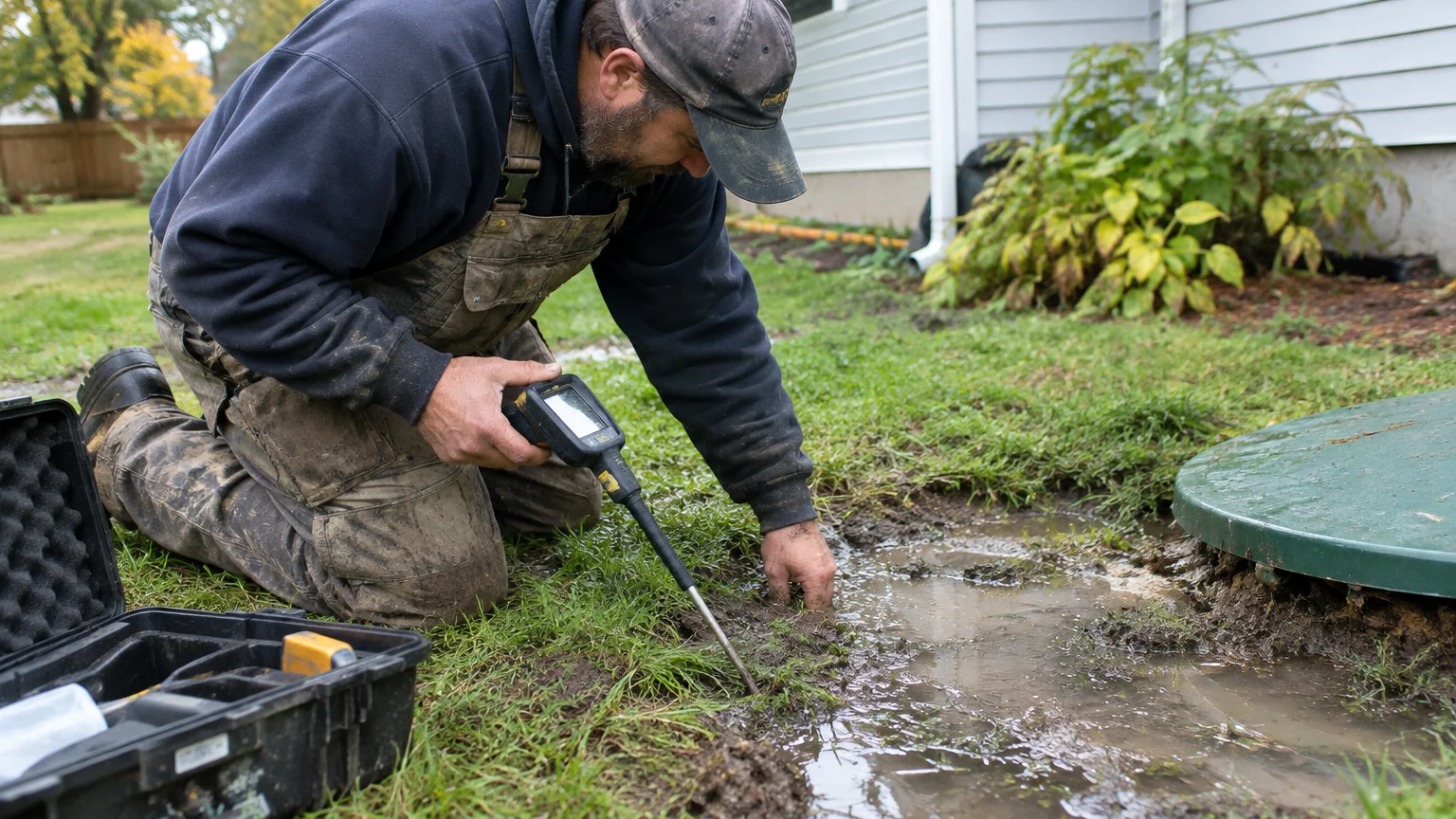
Common warning signs include ground that stays wet, standing water, foul smells, or unusually green grass. Several slow drains or sewage backing up can also point to a septic problem. One sign alone does not prove the field has failed. Signs that last, return, or happen together deserve closer attention.
A leach field is the part of a septic system that sends treated wastewater into the soil. It is also called a drainfield. If water does not soak away as expected, the yard may feel soft or look wet during dry weather. Water can collect above the field, and the area may smell like sewage.
Grass above a field may look greener or grow faster when it gets extra water or nutrients. This can be a warning sign, but grass changes for many reasons. Compare that patch with nearby grass. Notice whether the change comes with wet soil, bad smells, or drain trouble.
Look for changes inside the home, too. One slow sink may have a small clog nearby. If toilets, tubs, and sinks all drain slowly, the cause may affect more of the septic system. Gurgling sounds or wastewater coming back through a drain add to the concern.
- Wet ground or pooling: An area stays damp or has water on its surface.
- Strong odors: A sewage smell comes from the yard, drains, or tank area.
- Unusual plant growth: Grass over part of the field looks different from nearby grass.
- Several slow drains: More than one sink, tub, or toilet has trouble draining.
- Backups: Wastewater comes back through a drain or toilet.
Keep children and pets away from wet spots that may hold wastewater. Note where each sign appears and when it started. These details can help Septic Tank Pumping Athens understand what a property owner has noticed before a closer check. Property owners in Athens can safely observe these signs without digging or touching wastewater.
What do leach field failure signs mean?
These signs may mean wastewater is not moving through the septic system as it should. The field could be too wet, blocked, or damaged. But a full tank or blocked pipe can cause similar signs. A careful check can find the source, instead of relying on what the yard looks like.
In a typical septic system, wastewater flows from the building into a tank. The tank holds solids while liquid waste, called effluent, moves toward the field. The soil helps clean and spread that liquid. The field may have pipes or chambers that send wastewater below ground.
A drain field chamber is a hollow part that leaves space for wastewater to flow into nearby soil. Some systems use chambers instead of trenches filled with gravel. System parts and layouts differ from one property to another. Records or a qualified inspection can help confirm the design.
One symptom can have more than one cause. Slow drains may come from a blockage in a pipe inside the home. A blocked tank outlet or damaged field pipe can also affect water flow. A sewage smell might come from a vent, tank opening, or wet area near the field.
The word “failure” can sound like the whole system has stopped working. The problem may affect only one part. It may also be a sign that too much water is entering the system. A professional can check whether wastewater is leaving the tank and reaching the field as it should.
This difference matters to the property owner. Septic pumping may help when the tank needs service, but it cannot fix a damaged pipe or soil that will not take in water. Finding the cause first can prevent the wrong repair and help limit more stress on the system. Regular maintenance and prompt checks can help property owners understand changes early.
What are the most likely causes of leach field failure?
Too much water entering the system and soil that stays wet are common causes of field trouble. Blocked or broken pipes, too many solids, roots, packed soil, and old parts can also play a role. The cause depends on the system, how it is used, the soil, and how water drains around the property.
Heavy rain or poor yard drainage can leave the soil too wet to take in more wastewater. A leaking fixture or many loads of laundry close together can add extra water. When the field cannot keep up, wet ground and slow drains may appear. The problem may return if the extra water keeps entering the system.
Solids may leave the tank when it does not work as expected or is not kept in good shape. They can collect in pipes or parts of the field and slow the flow. Roots can also grow into small openings in pipes. A tree near the system may add risk, though roots do not always mean that damage has happened.
Cars, stored items, and buildings over the field can press down on the soil. This is called soil compaction. Pressure packs soil more tightly and leaves less open space for water to move through. Compacted soil can make it harder for the field to work and may harm parts below ground.
Age alone does not prove that a field has failed. A system that gets good care may keep working, while a newer one can have trouble with poor drainage, heavy use, or a damaged part. A sewer leach field is still part of a septic system on the property. The term does not mean that every field joins a public sewer line.
Property records can help narrow down the cause. Plans, service notes, and past repair details may show where the pipes and field sections are. If those records are missing, a professional can help find the system without digging at random. This is safer than trying to uncover buried parts yourself.
How can you tell leach field failure from a temporary problem?
A temporary problem may improve after heavy rain ends or unusually high water use stops. A septic problem that lasts may return, spread, or remain when normal use and weather resume. Track where signs appear and how long they last. Do not wait if wastewater backs up or reaches the surface.
Rain can make parts of a yard soggy, especially where water already drains slowly. If the wet spot is in a low area and dries as the weather clears, it may be surface water. But wet ground near the field that stays wet, smells bad, or keeps returning needs a closer look.
Heavy water use can also put pressure on the system. Several showers, laundry loads, and dishwashing at once may send more water into the tank than usual. If slow drains improve when household use returns to normal, make a note of that pattern. It does not rule out a weak or partly blocked system.
Check how many fixtures have trouble. One sink may have a local clog, while trouble at several fixtures can point to a wider issue. Also note whether the drains act up when the yard is wet or smells like sewage. Several signs together can be more useful than one clue alone.
Keep a simple record of the date, weather, water use, and place of each symptom. Note if the same patch gets wet again. This is safe for a homeowner to do and may help a professional understand the pattern. You do not need to dig, open the tank, or touch wastewater to gather these details.
In Athens, rain, soil, and the layout of a property can all affect how a yard looks. Local conditions may help explain a wet patch, but they cannot prove that a leach field is working. When signs last or come back, arrange a system check instead of assuming the issue will pass.
What should you do when you notice leach field failure signs?
Use less water, keep people away from wet areas, and note what has changed. Try not to add strain while you arrange an assessment. A homeowner can watch the yard, look for easy-to-see leaks inside, and gather system records. Do not open tanks or dig near buried pipes.
Use less water for now. Space out laundry and long showers, and avoid running several water-heavy tasks at once. Fix an easy-to-reach dripping tap or running toilet if you can do so safely. These steps may ease pressure on the system, but they do not repair a damaged field.
Keep cars, equipment, and heavy loads away from the field. Do not add soil, build a shed, or plant deep-rooted trees over it. Keep roof drains and yard runoff from flowing toward the field. These choices can press on the soil or send extra water toward a system that is already having trouble.
You do not need a professional for every small check. It is safe to look for wet spots, notice odors from a distance, check for a running toilet, and find tank records. Do not lift a tank lid, enter a tank, or try to clear buried pipes. Septic tanks can have dangerous gases and unsafe conditions.
Share clear details when you ask for help. Explain which fixtures are affected, where the yard is wet, and how long the signs have lasted. Say whether heavy rain or high water use came first. If a tenant sees the problem, they should tell the owner or manager soon and keep others away from the area.
The right field repair depends on the cause. Using less water is a short-term care step, not a repair plan. A qualified septic professional can check the tank, pipes, and field before advising what to do next. Emergency pumping may be needed for some urgent tank problems, but it will not fix every field issue.
When is a leach field problem an urgent health or safety issue?
Treat sewage on the ground, wastewater backing into the home, or a strong sewage smell indoors as urgent. Keep children and pets away, do not touch the water, and seek prompt professional help. If wastewater reaches living areas or someone feels unwell after contact, follow local public health advice.
Wastewater can carry germs, so people should not walk through it or let pets sniff or play in it. Keep the area clear and do not mow or dig there. If it is safe, mark the area from a distance so family, guests, and workers know to stay away.
A backup inside the home needs quick attention. Wastewater can damage surfaces and expose people to germs. Stop using the affected fixtures if you can. Do not try to fix a tank or buried pipe yourself. Tell the professional whether one drain or several are affected.
An outdoor smell can be unpleasant without proving that dangerous gas is inside the home. Still, do not ignore a strong or sudden smell indoors. Leave the area if anyone feels dizzy, sick, or short of breath. Contact the proper emergency or safety service for the situation. Never enter a septic tank or enclosed space.
Some signs allow time to arrange a prompt check, such as a wet patch without a backup or sewage on the surface. But the problem can change quickly. If it grows, reaches a well, waterway, or public area, or affects someone’s health, treat it as serious and seek help right away.
Keep notes about what happened, but do not delay urgent action to collect them. A clear description can help the service professional understand the risk and plan a safe visit. The main goal is to prevent contact and stop more wastewater from entering the affected area.
How do professionals diagnose leach field failure?
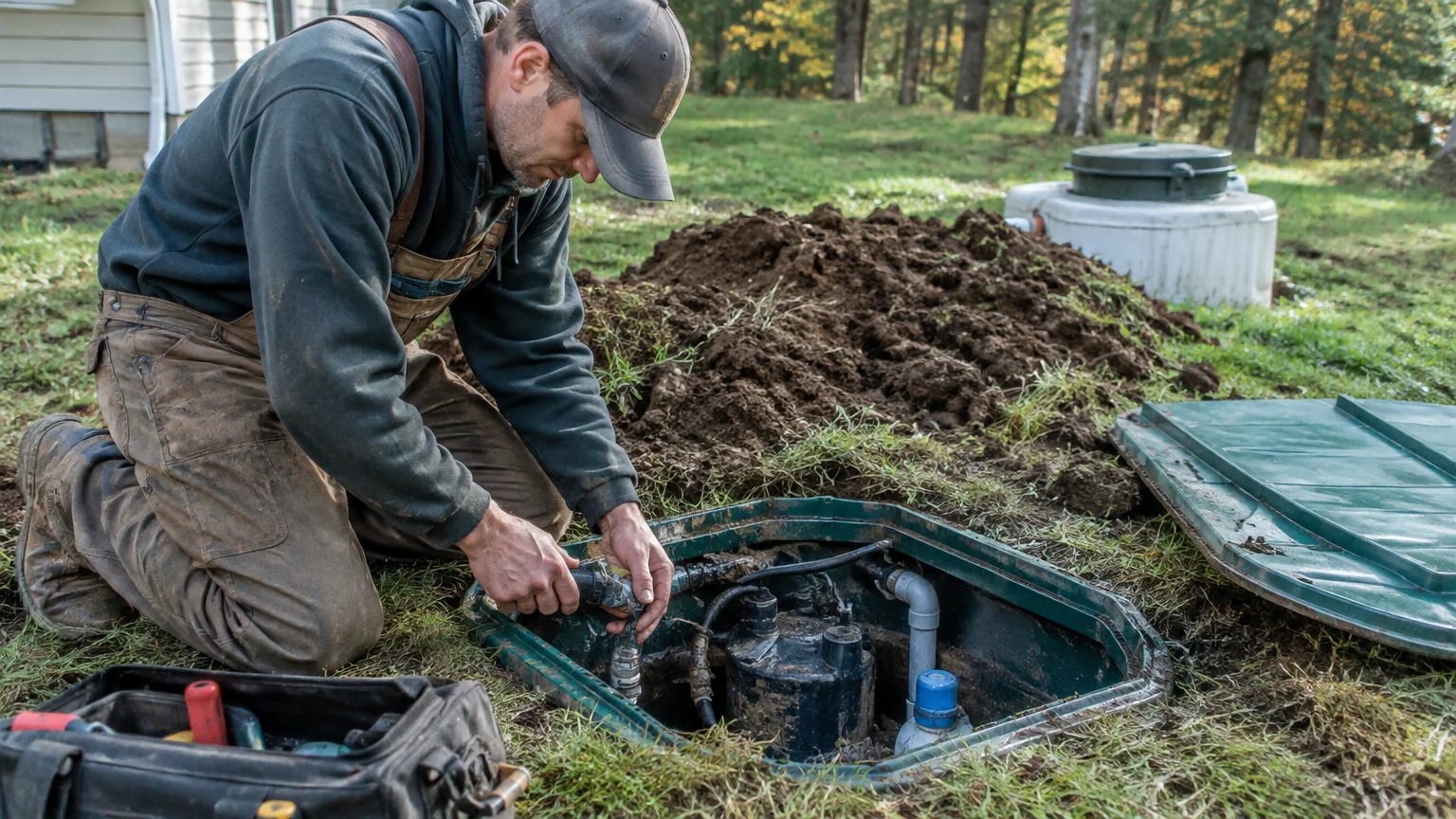
A professional looks for the source by checking the tank, outlet, pipes, field, and site. The inspection may find a full tank, a blockage, damage, or soil that is too wet. The goal is to confirm what is happening before choosing a repair or replacement plan.
The professional may ask when the signs began, how often they return, and whether rain or water use changed. Records can show the tank location, field layout, and past service. If the tank is buried, plans or a safe way to locate it can help avoid random digging.
A septic tank is a container that holds wastewater so solids can settle. Liquid can then move onward through the system. The tank’s depth below ground depends on its design and location. There is no safe depth to assume for every home. Use system records or ask a professional how to find a buried tank.
During an assessment, the professional may check the tank and the route of the outlet. They may see whether water can move through the system and whether the field looks too wet. The slope of the land, soil, nearby drains, and recent weather can also help explain the problem.
A perc test checks how quickly water moves through soil. It is often used when planning a septic system, but it does not prove by itself that an existing field has failed. The system design, current conditions, and other inspection findings also matter when choosing what to do.
The results should help separate a confirmed problem from a possible cause. A full tank may need service, while a broken pipe or wet field may need different work. Ask the professional to explain what they found in plain words and what signs support that answer.
Can a failing leach field be repaired, or does it need replacement?
Some field problems can be repaired. Others need a larger repair or a replacement. The right choice depends on what is damaged, how much of the system is affected, the soil, and local rules. A professional should confirm the cause before anyone decides that the field must be replaced.
A blocked or damaged section of drainfield pipe may be repairable if the rest of the system works and the problem can be reached safely. A part that spreads wastewater may also need attention. If the soil cannot take in wastewater or damage covers a wider area, a small repair may not solve the issue.
Pumping removes waste from the tank, but it does not restore soil that no longer takes in wastewater. If the field is too wet or damaged, pumping alone may offer only short-term relief or no lasting change. The tank and field work together, but they are different parts of the system.
A replacement plan may depend on field size, soil, equipment access, and local approval. These details affect how complex the work is. The final cost depends on the work needed and should be confirmed on a quote after the site is assessed. A small pipe repair and full field replacement are very different jobs.
A property owner should ask what evidence points to a failure and whether other causes have been checked. Ask what choices fit the site, what each one involves, and whether permits or local approval are needed. A clear explanation can help owners, buyers, and investors make a sound choice.
Do not accept “the field is old” as the only reason to replace it. Age may matter, but age alone is not a diagnosis. A good decision uses inspection results, system records, and the property’s current condition.
How can you help prevent future leach field problems?
Use water with care, keep harmful waste out of drains, and protect the soil above the field. These habits can lower stress on the system, though they cannot prevent every problem. Watching for changes can help property owners act before a small sign becomes a larger issue.
Spread out water-heavy tasks when you can. Fix leaks and running toilets, and avoid sending a lot of water into the system at once. Do not flush wipes, grease, or household items that can block pipes or add unwanted waste. Follow the guidance for your system about what can go down the drain.
Keep vehicles, heavy tools, and buildings away from the field. Pressure can pack the soil or harm buried parts. Choose plants with shallow roots near the area, and keep deep-rooted trees away from the system. Do not use the field to store building materials.
Direct roof water and yard runoff away from the field. Extra water in the soil can make it harder for the system to spread wastewater. Do not change the yard’s slope without knowing where the water will go. If an area stays wet, note whether nearby drains or runoff may be part of the cause.
Keep records of tank service, repairs, and system plans where future owners or tenants can find them. These details help first-time buyers and investors who may not know where the system is. Before buying a home, ask what records are available and whether the system has been checked.
Septic Tank Pumping Athens can help property owners understand what symptoms may mean and what kind of septic assessment to ask about. Soil and site conditions can differ across Athens, so clear records and a careful check matter. Prevention starts with careful system use and quick attention to changes.
What are the key takeaways about leach field failure signs?
Leach field failure signs are warnings, not a final answer. Wet ground, bad smells, unusual grass growth, slow drains, and backups may point to trouble. But several parts of a septic system can cause similar signs. The pattern, location, and length of time all help explain what may be happening.
- Notice patterns: Signs that last, return, or happen together deserve attention.
- Use less water: Reduce extra strain while someone checks the cause.
- Stay clear of wastewater: Keep children and pets away from wet or backed-up areas.
- Do only safe checks: Observe, take notes, and look for simple household leaks; do not open tanks or dig.
- Confirm the cause: A professional can check the tank, pipes, field, and site before suggesting work.
A wet patch after rain may have a simple cause. A patch that stays wet, smells like sewage, or comes with slow drains needs a closer look. A backup or wastewater on the ground calls for prompt action to protect people and pets.
The key is not to guess. Septic pumping may help with a tank problem, but it cannot fix every field issue. A careful check can show whether the problem is temporary, repairable, or more serious. For help understanding what to do next, Contact us about the signs you have noticed.
Frequently Asked Questions
What does a failing drain field look like?
A failing drain field may have wet ground, pooled water, a sewage smell, or grass that looks different from nearby areas. Slow drains or backups can happen as well. These signs may also come from other septic or plumbing problems, so they are clues, not proof. Keep people and pets away from suspected wastewater.
Can a septic tank problem cause slow drains?
Yes. A tank or outlet problem can affect how wastewater leaves the home. A blocked pipe inside the home can also slow a drain. If several fixtures are slow or a backup occurs, the problem may be wider than one sink. Note which fixtures are affected and seek help if the issue continues.
Can pumping fix a leach field?
Pumping can remove waste from a septic tank when service is needed, but it does not repair a blocked pipe or damaged field. A field that cannot spread wastewater may still have trouble after the tank is pumped. Have the cause checked first so the next step fits the actual problem.
How can a homeowner find a buried septic tank?
Start with property records, system plans, or service notes that may show where the tank is. If those are not available, ask a septic professional to help find it safely. Do not dig at random or open the tank. Tank depth and placement differ, so a neighbor’s system is not a reliable guide.
Does a wet spot always mean the leach field has failed?
No. Rain, yard drainage, a leaking water line, or other surface water can make a patch wet. An area that keeps getting wet, smells like sewage, or appears with slow drains is more concerning. Watch the pattern and seek an assessment if it lasts or gets worse.
If you are unsure what is causing the signs, a closer look can help prevent a larger problem. Septic Tank Pumping Athens shares information about septic system help.
If you are not sure what you are dealing with, it is worth having someone look at it before it turns into a bigger job. Get in touch with Septic Tank Pumping Athens today and we will tell you where you stand.