Septic tank system installation cost depends on soil, system design, tank size, site access, and local rules. The work needed to prepare the property also matters. In Athens, a site review can help show which system may fit and what tasks belong in the final quote. The final cost is confirmed on a quote for the planned work.
A new septic system can feel like a large project, especially when a home depends on it. Planning starts with learning what the land needs, not choosing a tank by size alone. The system must suit the soil, site, household use, and local approval process.
Septic Tank Pumping Athens can help property owners understand the steps involved in planning an installation. Every property is different, so the sections below explain common cost factors and useful questions to ask before accepting a quote.
Table of Contents
- What determines septic tank system installation cost?
- How does tank size affect installation cost?
- How does property access affect installation cost?
- How does septic system type affect installation cost?
- How does location affect septic installation cost?
- What should a septic installation quote include?
- When should you get a quote for a new septic system?
- Key takeaways
- Frequently Asked Questions
- Conclusion
What determines septic tank system installation cost?
Septic tank system installation cost depends on the land, system design, tank, equipment access, and local rules. A site review helps find these needs before work starts. The final cost is confirmed on a quote that describes the property and planned work.
How do site conditions and soil affect the project?
Soil affects how wastewater moves from the tank into the drain field. A drain field is the area where treated wastewater enters the soil. A trained professional checks the site and soil to learn whether the land can support the planned system.
Some properties have shallow soil, steep slopes, poor drainage, or little open space. These conditions may call for more site work or a different design. A perc test, also called a percolation test, checks how quickly water moves through soil. Local officials may ask for soil or site tests before they approve a system.
An old septic tank can be hard to find when property records are missing. Owners can look for site plans or permit records, but should not dig to search. A professional can help locate the system and check the site safely. This can also help when considering septic tank replacement.
What parts of the installation contribute to the overall cost?
The full project may include planning, soil tests, permits, digging, the tank, pipes, a drain field, installation, and site repair. Work may also include removing an old system or dealing with hidden ground problems. The property and approved design decide which tasks are needed.
The quote should show what is included and what is not. For example, lawn work or driveway repair may be separate from installing the system. Property owners can ask Septic Tank Pumping Athens how each site condition affects the work plan.
How does tank size affect installation cost?
Tank size affects materials, digging, and the space needed for installation. The right size depends on expected use and local design rules, not only how many people live in the home. A qualified professional can review the property and suggest a suitable tank.
How do household size and water use shape tank requirements?
Household size is one starting point, but daily water use matters too. A home with many guests or frequent laundry may use more water than a home with the same number of people. The design may also need to allow for future changes in how the property is used.
A septic system collects and treats wastewater from a building. The tank holds the wastewater and separates solids from liquid. The drain field then helps treat and spread the liquid through soil. The tank and drain field must be planned together, since choosing a tank alone may not suit the land.
Share clear details about the home and how it may be used. This helps the designer consider the household, water use, and possible additions. Local rules may set tank or system requirements, so a professional should check what applies in Athens.
Why can a larger tank change excavation and installation needs?
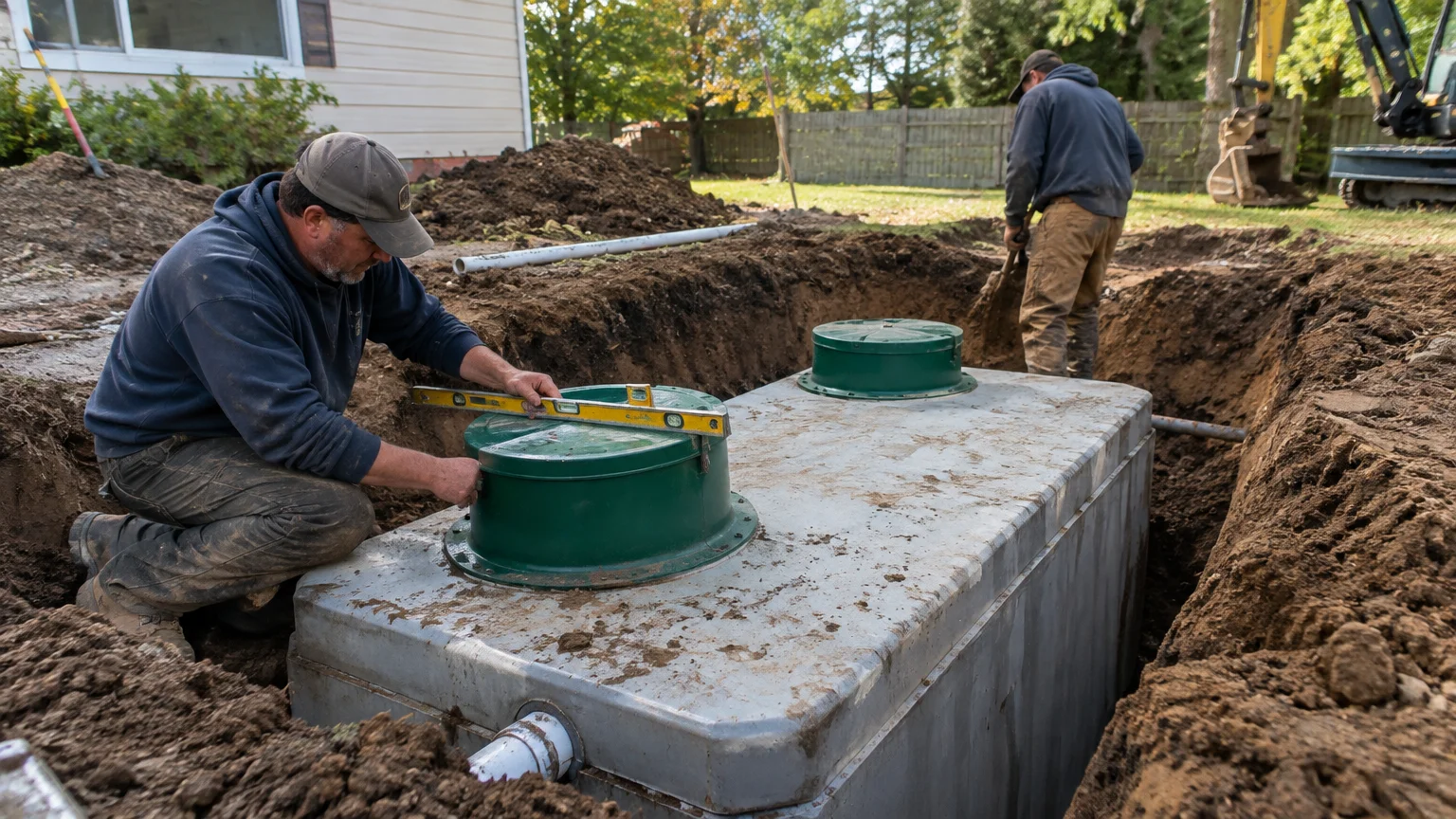
A larger tank may need a wider or deeper hole and more room for equipment. Its size and weight can also affect delivery and placement. The amount of digging and repair depends on the tank, soil, and route to the work area.
The depth of a buried tank depends on its design, the site, and local rules. The location and depth should be recorded so the tank can be found later. A septic tank riser is an extension that brings an access opening closer to the ground. It can make checks and service easier.
Owners do not need to dig, open, or clean a septic tank themselves. They can keep vehicles and heavy loads off the tank and drain field. They can also watch for signs of trouble and arrange septic pumping when advised. Tank and installation work should be handled by trained professionals.
How does property access affect installation cost?
Property access affects the equipment and time needed for an installation. A clear route makes it easier for machines to reach the work area. Tight turns, fences, trees, slopes, and nearby buildings may limit where equipment can go.
What happens when equipment has limited access to the site?
If large machines cannot reach the site, the plan may need different equipment or extra handling. A narrow gate, small yard, or nearby building can make digging harder. The installer should check the route before work starts and explain any access limits in the quote.
Owners can point out gates, buried utilities, wells, trees, and other features. They should mention any known easements or access rules. An easement is a legal right to use part of a property for a set purpose, such as reaching a work area.
Do not move fences or cut trees before checking what the work needs. Early changes may not fix the access issue and could create more work. A site visit helps the installer look at practical options first.
How can distance, slope, and landscaping affect the work?
A long route from the road to the work area may affect equipment delivery and how materials are moved. A steep slope can change where the tank or drain field can be placed. Patios, lawns, walls, and driveways may need care or repair during the work.
The positions of the house, tank, and drain field matter as well. Pipes need a suitable route, and the full design must fit the land. Local rules may affect placement near a well, property line, or water feature.
Before work starts, ask which areas may be disturbed and how the yard will look afterward. Owners can take photos of the yard and its features. These photos give them a simple record to compare with the finished work.
How does septic system type affect installation cost?
System type affects the design, materials, installation steps, and future care. A conventional system may suit some properties, while poor soil or space limits may call for another approved design. A site and soil review helps show which options may work.
How do conventional and alternative systems differ in complexity?
A conventional septic system usually has a tank and a drain field suited to the soil. An alternative system uses another design or treatment method when a conventional layout does not fit or local rules require another approach. The land and required approvals help decide which system is suitable.
Some systems use extra parts to move or treat wastewater. These parts can affect installation and ongoing care. Ask what each part does, how it is checked, and whether it needs power or regular service.
The simplest-looking option may not be the right one. A system must meet local rules and fit the property. Ask the designer why they recommend a system type and what care it will need over time. Maintenance needs are useful to understand before choosing a plan.
When might a property need a system designed for challenging conditions?
A property may need a special design if soil drains poorly, space is limited, the ground is steep, or groundwater is close to the surface. A high water table means groundwater sits near the ground. Local officials and qualified professionals can explain which designs are allowed.
These conditions do not mean a property cannot have a septic system. They may mean the design needs extra parts or a different drain field layout. A failed perc test may lead to more review, but the result should be explained for that property and local rules.
Do not assume an old system can be replaced in the same place. Land use, rules, and soil conditions may have changed. A new review can help show whether repair, replacement, or another system plan is suitable.
How does location affect septic installation cost?
Location affects the work through soil, weather, local rules, permits, and access to materials. Requirements can differ between towns and counties. The installer should check the rules for the property before planning the work.
How can local soil, climate, and regulations influence the project?
Soil and weather affect how a site handles wastewater and when work can take place. Heavy rain, frozen ground, or wet seasons can change access and digging plans. A designer considers these issues along with the slope and soil results.
Local health departments or other officials may review plans, inspect work, or issue permits. They may set rules for tank placement, drain fields, and distance from wells or property lines. Ask who will handle each approval and when it is needed.
Rules can change, so an old permit or plan may not show what is allowed now. Property owners in Athens should check current local rules for their own site. Septic Tank Pumping Athens can help explain which steps are part of the project plan.
Why can material availability and permitting requirements vary by area?
Some system parts may be easier to get in one area than another. Delivery distance and the chosen design can affect planning and timing. The quote should name the main materials and explain any expected wait for parts.
Permits also differ by location and system type. One authority may ask for added soil review, while another may need different papers or inspections. The project team should explain which approvals are needed and who will send the paperwork.
Ask whether the quote includes permit preparation, permit fees, inspections, and changes requested during review. Find out what happens if an official asks for a design update. Clear answers help owners compare plans by the work included, not just by the system name.
What should a septic installation quote include?
A septic installation quote should describe the planned system, site work, materials, permits, and included tasks. It should also list exclusions and explain how changed site conditions will be handled. The final cost is confirmed on a quote for that property and scope of work.
Which planning, permits, materials, and installation tasks should be itemized?
The quote should explain the main steps from site review through installation. It should name the tank and system type, digging, pipes, drain field work, inspections, and any planned removal of an old system. If lawn or surface repair is included, the quote should say so.
Owners can check whether the quote covers:
- Site and soil review, including any required tests.
- Design, permit paperwork, and inspections.
- The tank, pipes, fittings, and other planned system parts.
- Digging, tank placement, connections, and site repair.
- Removal or handling of an existing system, if needed.
The list should match the plans and known site conditions. If a task is not listed, ask whether it is included before accepting the quote. A clear work plan helps owners understand what the installation team expects to do.
What exclusions and site conditions should property owners clarify?
Ask what could change the work, such as hidden rock, buried utilities, poor soil, or an old tank that was not known about. The quote should explain how the team will discuss changes before doing extra work. Ask who will locate private utility lines, too.
Check whether the quote includes permit costs, inspections, lawn repair, and work on driveways or fences. Different people may handle these tasks. Talking about them early can help prevent confusion once installation begins.
A clear quote should also explain the system’s expected care. Ask which parts need regular checks and how to arrange service. Good maintenance includes careful water use, protecting the drain field, and following the maker’s care advice. Pumping needs vary by system and household, so a professional can help set a plan. Emergency pumping may be needed if wastewater backs up, but an inspection can help find the cause.
When should you get a quote for a new septic system?
Ask for a quote early when buying land, building, adding to a home, or dealing with a failing system. Early planning leaves time for site review, design, permits, and changes if the first plan does not fit. Do not wait for wastewater to back up before asking about replacement.
What property or project changes make early planning important?
A new home, added bedroom, change in property use, or planned subdivision can affect septic needs. A system for one use may not suit a larger household or a business. Check with local officials before work that could change wastewater use or system placement.
Sewage smells, wet ground near the drain field, or slow drains throughout a home need prompt attention. These signs do not prove that the tank needs replacement. A professional can inspect the system and explain whether septic pumping, repair, or a new installation may be needed.
When buying a home, ask for septic records and learn where the tank and drain field are. Do not assume the system works well just because the yard looks dry. A professional review can help explain its condition and possible next steps.
What information should you gather before requesting a site assessment?
Gather property plans, old permits, inspection notes, and records of past septic work. Note the home’s size, expected use, planned changes, and known water or drainage problems. These details can help the professional understand the project before visiting.
If a tank is already there, share its known location and service history. Do not open the tank or dig to find it. A septic tank may hold dangerous gases, and its cover may be unsafe to handle. A trained professional should locate and inspect it.
The site review should explain likely system choices, tests or permits, and anything not yet known. Ask how the design fits the soil and the property. This gives owners a sound basis for reading the written quote.
Key takeaways
- Soil, tank size, system type, access, and local rules affect the work.
- A site review helps match the system to the land and expected use.
- A quote should list included tasks, materials, permits, and exclusions.
- Owners can protect the drain field but should not dig or open a tank.
- Early planning helps with building, home purchases, and system replacement.
Frequently Asked Questions
What is a septic tank?
A septic tank is a sealed container that collects wastewater from a home or building. Solids settle inside, while liquid moves toward a drain field for more treatment in soil. The tank is one part of a larger system, so its size and location must fit the land and expected use.
How deep is a septic tank buried?
There is no one depth for every septic tank. Its position depends on the design, property, and local rules. Owners can check plans or permit records to find its location. If records are missing, ask a professional to locate it; do not dig to search.
What is a septic tank riser?
A septic tank riser is an extension fitted over an access opening. It brings the opening closer to the ground, which can make checks and service easier. A professional can tell whether a riser suits the tank and fit it safely. Owners should not open a tank themselves.
How can someone find a buried septic tank?
Start with property records, permits, and old site plans. These may show the tank and drain field. If records are missing, a septic professional can use suitable tools to find the system. Do not probe or dig, since buried pipes, utility lines, and tank covers can be dangerous.
When should a septic tank be pumped?
Pumping time depends on tank size, household use, system condition, and local advice. One schedule does not fit every property. A septic professional can check the tank and suggest a plan. Keep service records, watch for trouble, and do not wait for a backup.
Conclusion
A new septic system must fit the property, soil, and way the building will be used. Tank size is only one part of the plan. Access, system type, local approval, and site repair can also affect the work and final quote.
Gathering property records and arranging a site review early can make choices clearer. Septic Tank Pumping Athens helps property owners understand installation needs and next steps. Property owners in Athens can Contact us to discuss a site assessment. Learn more about Septic Tank Pumping Athens.
If you are not sure what you are dealing with, it is worth having someone look at it before it turns into a bigger job. Find out more about our septic tank installation and replacement in Athens. Get in touch with Septic Tank Pumping Athens today and we will tell you where you stand.