The focus keyword how does a drain field work asks how wastewater leaves a septic tank and enters the soil. Buried pipes or chambers spread the liquid across a planned area. Soil helps filter it, while tiny living things break down some waste. In Athens, knowing these steps can help property owners spot trouble early.
A drain field is more than a group of buried pipes. It works with the tank, soil, and household water use. Each part helps wastewater move and receive treatment in the right way. Learning how the system works can also help protect the soil and groundwater around your home.
Table of Contents
- What Is a Septic Drain Field?
- How Does Wastewater Move Through a Drain Field?
- How Does Soil Treat Wastewater in a Drain Field?
- How Do the Septic Tank and Drain Field Work Together?
- What Affects How a Drain Field Is Designed?
- What Are the Signs a Drain Field May Not Be Working Properly?
- What Are Common Misconceptions About Drain Fields?
- Frequently Asked Questions
What Is a Septic Drain Field?
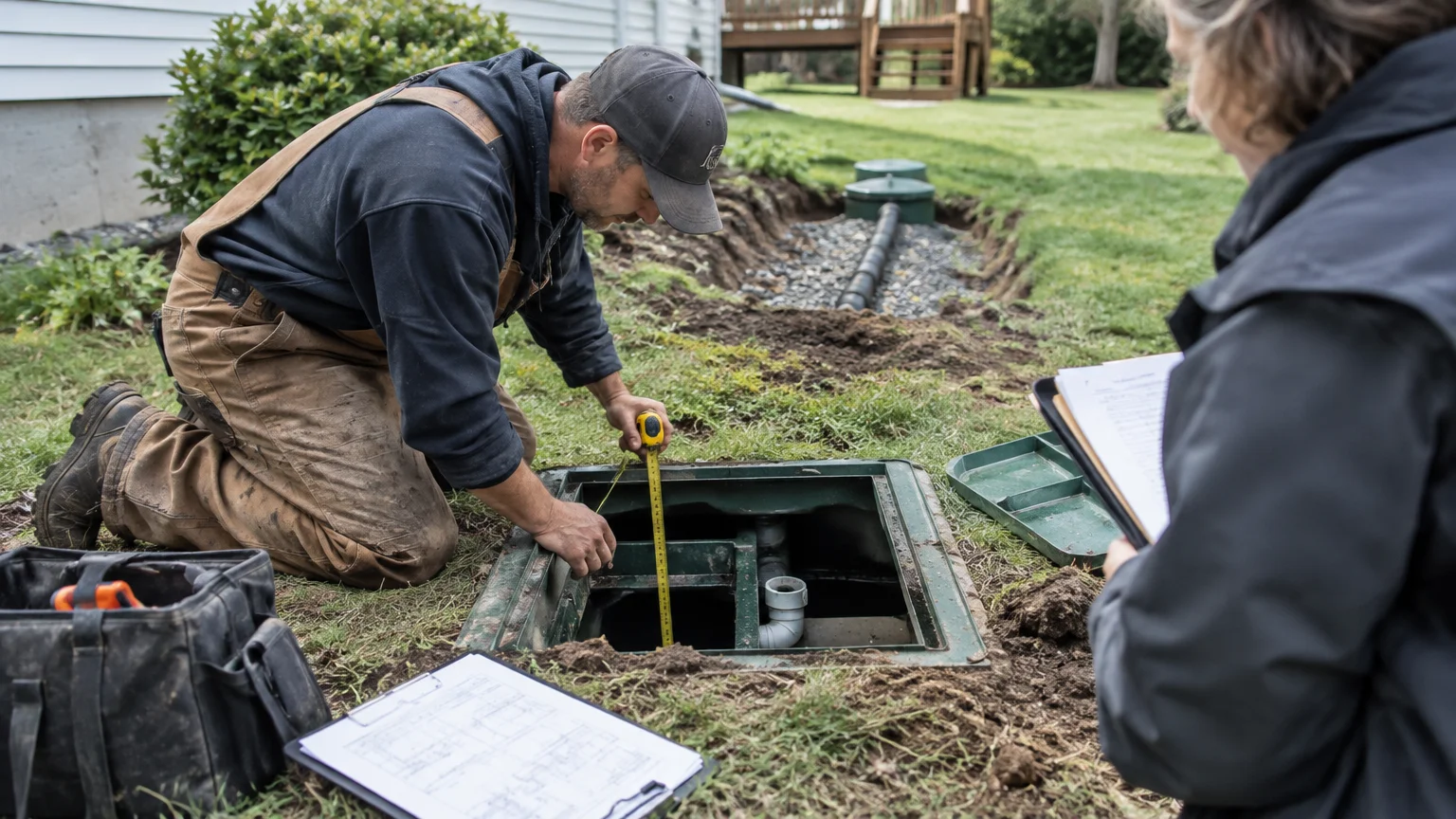
A septic drain field is the part of a septic system that receives liquid from the tank. It spreads the liquid into the soil for more treatment. People may also call it a leach field or leach bed. Most fields use buried pipes or chambers set in prepared soil.
Where the drain field fits in a septic system
A septic system treats household wastewater on the property. This differs from a public sewer, which carries wastewater away through shared pipes. The septic tank is a buried container that holds wastewater. Solids settle at the bottom, while lighter material can float on top.
The partly treated liquid between these layers flows from the tank to the drain field. The field is not the same as the tank, and it does not hold all household waste. Its job is to spread liquid so the soil can help treat it as it moves downward.
In Athens, the layout can differ from one property to another. Some homes have pipes in gravel-filled trenches. Other systems use chambers that spread wastewater through openings. Soil and site conditions help decide which design fits a property.
What a drain field is designed to do
A field spreads wastewater across a suitable area at a steady rate. This gives the soil time to filter some particles. Tiny soil organisms also act on some remaining waste. Soil is an important part of treatment, not just a place the liquid passes through.
A working field helps stop wastewater from pooling on the ground or moving toward buildings and nearby water. It needs open space to work well. Heavy buildings and vehicles can harm buried parts or press down the soil. The tank and soil both need to work well for the system to treat wastewater as intended.
How Does Wastewater Move Through a Drain Field?
Wastewater leaves the septic tank through an outlet pipe and enters pipes or chambers in the field. Small openings let liquid seep into nearby soil. Gravity moves wastewater in many systems. Some sites need a pump to move it along.
From the septic tank to the distribution pipes
The tank slows the flow of wastewater from the home. Heavier solids settle, while grease and other light material may float. Liquid between these layers leaves through an outlet. The outlet helps keep much of the settled and floating material in the tank.
The liquid then enters the field through a pipe. A distribution box, when the system has one, directs wastewater to different parts of the field. Drain field piping is set up to spread liquid rather than send it all to one spot. Some systems use chambers instead of gravel-filled trenches. A drain field chamber is a hollow structure that holds and releases wastewater into nearby soil.
Many systems use gravity. A site with a certain slope or layout may need a pump instead. Tank location and depth also vary by property and design. If you are not sure where system parts are, a trained septic professional can help find them safely.
Wastewater’s path through the system
The basic path is home drains → septic tank → outlet pipe → distribution pipes or chambers → soil. This describes the process, but it is not a map of your property. Some systems have extra parts, such as a pump or distribution box.
Wastewater moves out in small amounts as new water enters the system. Pipes spread it across the field, and the soil takes it in below ground. Blocked pipes, too much water, or soil that drains poorly can slow the flow. In some cases, liquid may rise toward the surface.
How Does Soil Treat Wastewater in a Drain Field?
Soil helps treat wastewater as it moves through its layers. Soil can hold back some particles, and tiny organisms break down some waste. The type and condition of soil affect how well this works.
How wastewater filters through soil
Soil below and around the field acts as a natural treatment layer. As wastewater moves through it, soil particles can catch some material. Spaces between those particles affect how fast water moves. If it moves too fast, it may not receive enough treatment. If it moves too slowly, water can pool or drain poorly.
The soil where wastewater enters needs to be suitable for the job. A drain field is not simply a place where liquid disappears. Soil that is too wet, packed down, or blocked may not take in wastewater well.
A perc test, or percolation test, checks how quickly water moves through soil. A qualified soil evaluator or another approved local professional may do or oversee the test. Local rules can affect who is allowed to do it. Test results help with site review, but they do not replace a full system design or approval.
How soil organisms help reduce contaminants
Soil contains tiny living things called organisms. They use some waste as food and help break down certain contaminants. This process works best when the field has suitable soil, enough air spaces, and a flow the site can handle.
Soil treatment does not mean every harmful substance disappears. Use and care for a septic system as intended. Wastewater should not be treated as safe drinking water. Keeping grease, chemicals, medicines, and other unsuitable items out of drains can help protect the field and soil.
How Do the Septic Tank and Drain Field Work Together?
The tank holds wastewater and separates much of its solid material. The drain field then spreads and treats the liquid in the soil. The tank helps protect the field from excess solids, and the field completes an important part of treatment.
Why the tank separates solids before wastewater reaches the field
When a tank works as intended, settled solids and floating material stay inside it. Over time, solids build up, so the tank needs pumping. Regular septic tank pumping removes that buildup before it can move into outlet pipes or the field.
Too much solid material leaving the tank can clog pipes or the soil where wastewater enters. This kind of harm may be hard to undo. Pumping needs depend on the system and how people use it. Follow professional advice and local rules instead of relying on a guess.
How household water use affects the system
Water from sinks, toilets, showers, and washing machines may enter the septic system. A large rush of water can move through the tank faster than usual. This can put extra strain on the field. Spreading laundry across different days and fixing leaks can help avoid needless water use.
You do not need a professional for safe, simple habits. You can use less water, keep vehicles off the field, and look for wet spots from a safe place. But do not open or enter a septic tank, or dig into pipes. Septic gases and other hazards can cause serious harm. A trained septic professional should check concerns that need an inspection or repair.
What Affects How a Drain Field Is Designed?
A drain field design depends on soil, slope, space, and other site conditions. Local rules also shape which designs are allowed. A qualified designer or local authority can explain what may fit a property.
Soil conditions, slope, and site layout
Soil type and how well it takes in water both matter. A site needs enough suitable space for the field and access for future care. A steep slope, shallow soil, high groundwater, or nearby features can affect where the field goes and how it is built.
A new home or replacement system may need soil testing and review before work starts. Local rules decide who can conduct a perc test. Property owners can ask the local health department which professionals are approved in their area. The test shows how water moves through soil, but it is only one part of planning.
The septic tank’s location and depth also depend on the site and system design. There is no single depth for every tank. Check system records or ask a qualified professional before digging or trying to find buried parts.
Why system designs and local requirements can vary
Every property is different, so one lot’s design may not suit another. Some sites use regular trenches with pipes. Others use chambers or another approved design. Local officials set or apply rules for permits, system placement, and construction.
Septic Tank Pumping Athens helps Athens property owners understand how a pumping or service visit fits into the larger system. Pumping removes buildup from the tank, but it does not fix every field problem. A professional should check symptoms and system conditions before suggesting next steps.
What Are the Signs a Drain Field May Not Be Working Properly?
Slow drains, sewage smells, or unusually wet ground near the field can point to a problem. These signs can have more than one cause, so they do not prove the field has failed. A qualified septic professional can check the whole system and look for the likely cause.
Slow drains, sewage odors, and unusually wet ground
A property owner may notice one or more of these warning signs:
- Several household drains are slow or back up.
- Sewage smells remain near the tank or drain field.
- Ground over the field feels unusually wet or soft.
- Wastewater or sewage appears on the ground.
- Grass over one spot grows faster or looks greener than nearby grass.
One slow sink may have a local plumbing blockage. Several slow drains may point to a wider issue. Wet ground can also happen after heavy rain or because of other site conditions. The pattern, place, and timing of the signs matter. Keep people and pets away from suspected sewage, and do not touch or walk through it.
Why symptoms need professional assessment
A septic professional can review system records and check parts that are safe to reach. They can look for signs of a blockage, tank issue, or field trouble. The right next step depends on what they find. Drain field repair, sometimes called a leach field fix, may involve different work from tank pumping. Not every symptom means the field needs to be replaced.
Do not dig up the field or open a tank to look for a problem. Tanks can hold dangerous gases, and digging can damage buried equipment. If sewage reaches the surface, keep people away and contact a qualified septic professional or the local health office for guidance. A prompt check can help limit contact with sewage and stop a concern from getting worse.
What Are Common Misconceptions About Drain Fields?
A drain field is not just a buried pipe or a place to pour unwanted liquids. It is a planned soil treatment area. The tank, pipes, soil, and careful water use all need to work together. Routine care and good habits help protect the system.
Why a drain field is not simply a buried pipe or disposal area
People may use the names leach field, septic drain field, and sewer leach field for the soil treatment area linked to a septic tank. The names can differ, but a septic drain field is not a public sewer. It is part of a private system that treats wastewater on the property.
The field is not a safe place to drive, build, or send roof and yard water. Heavy loads can press down the soil or harm buried parts. Extra water from downspouts or sprinklers can leave the area too wet. A system plan may show where the tank and field sit.
How routine care and appropriate water use help protect the system
Simple habits can reduce strain on a septic system. Fix leaking taps and toilets, spread heavy water use over time, and put only suitable waste down drains. Do not flush wipes or pour grease down the drain. Follow professional advice about pumping and checks based on the system and its use.
You do not need a professional for these everyday habits. But call a qualified professional about backups, lasting smells, wet ground, or work on buried parts. Septic Tank Pumping Athens can explain how septic pumping fits into care for the full system. A concern with the field may need a separate check.
Key takeaways
- The septic tank separates much of the solid waste from wastewater.
- Pipes or chambers spread tank liquid into the drain field.
- Soil and tiny organisms help treat wastewater underground.
- Water use, soil, and site design affect how the system works.
- Smells, wet ground, and backups need a proper assessment.
Conclusion
A drain field works with the septic tank to move and treat household wastewater. The tank separates much of the solid material, while the field spreads liquid into the soil. Careful water use can help protect the system, but signs of trouble need a proper check. For help with a septic tank pumping or service concern, Contact us at Septic Tank Pumping Athens.
Frequently Asked Questions
What is a septic tank?
A septic tank is a buried container that holds household wastewater. Heavier solids settle, and lighter material may float. The liquid between these layers flows toward the drain field. The tank does not finish treatment by itself; the field and soil also play key roles.
How deep is a septic tank buried?
There is no one depth for every septic tank. Its location depends on the tank design, property, and the pipes that enter and leave it. Check system records or ask a qualified professional to find it. Do not dig before you know where buried parts and utilities are.
Who performs a perc test?
Local rules decide who can do or oversee a perc test. It may be a qualified soil evaluator, engineer, or another approved professional. The local health department can explain the rules for your area. A perc test checks how water moves through soil, but it is only one part of site review.
Can a homeowner fix a drain field?
A homeowner can protect a drain field with safe habits, such as fixing leaks and keeping vehicles off the field. Digging, opening a septic tank, or fixing buried pipes should be left to trained professionals. Sewage and septic gases can be dangerous, and a poor repair may cause more harm.
Does septic tank pumping fix a failing drain field?
Pumping removes built-up solids from the tank, but it cannot fix every drain field problem. A blockage, damaged pipe, poor soil, or excess water may need a different response. A professional should check the tank and field before deciding what work is needed. A backup or wet field needs prompt attention.
If you are unsure what is causing a problem, a proper check can help clarify the next step. Contact Septic Tank Pumping Athens to discuss the concern and the system.
If you are not sure what you are dealing with, it is worth having someone look at it before it turns into a bigger job. Get in touch with Septic Tank Pumping Athens today and we will tell you where you stand.