The answer to what happens when septic tank is full is that wastewater has less room to settle and flow. Drains may slow, toilets may gurgle, and sewage may back up inside or appear near the drain field. Quick action can help limit health risks, water damage, and serious system repairs.
A full tank does not always mean the septic system has failed. Septic tanks hold wastewater between pumping visits. Trouble starts when sludge takes up too much space, water use is too high, or a clog blocks the normal flow. These problems can look alike, so careful checks are important.
Table of Contents
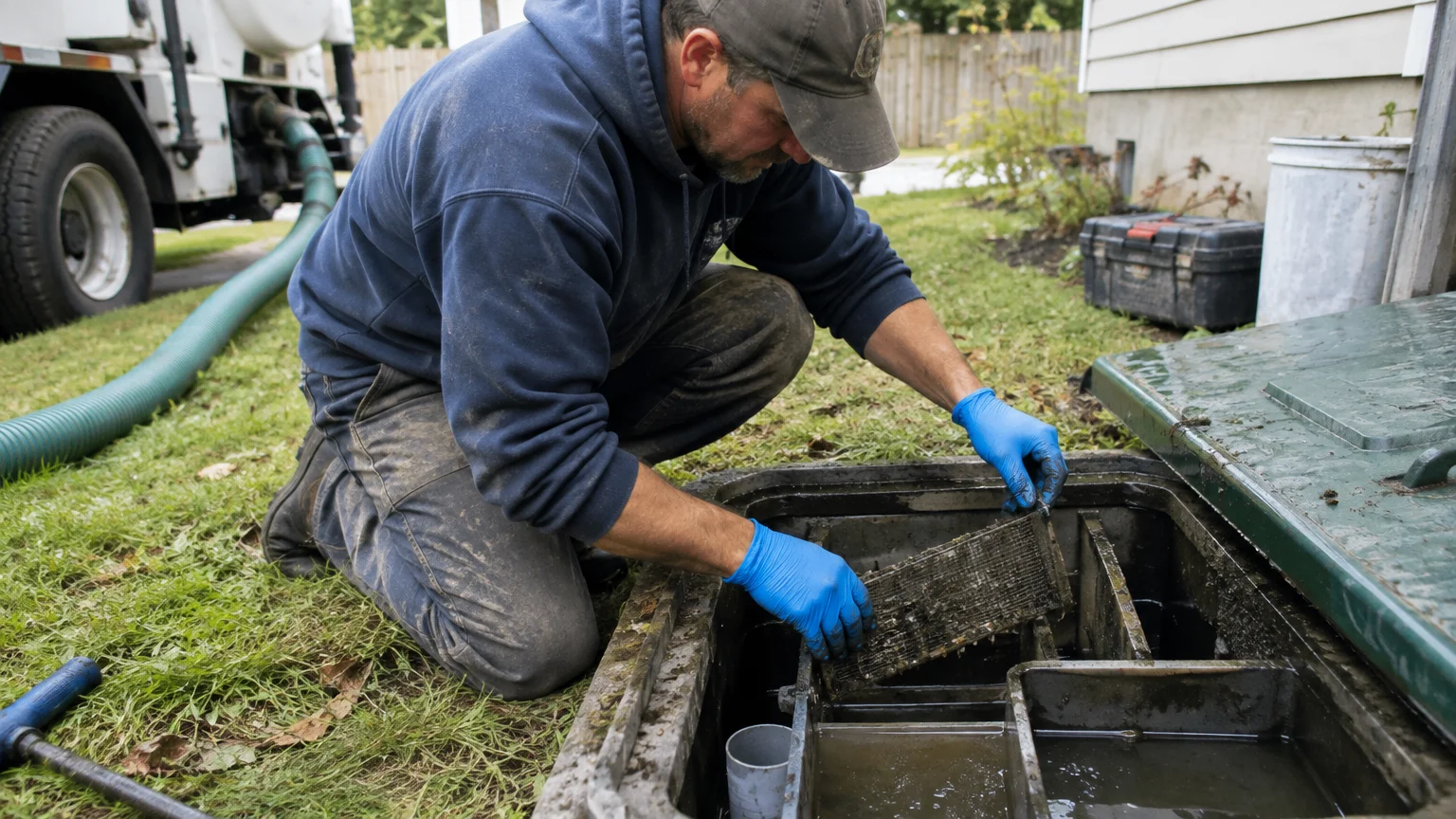
- What happens when a septic tank is full?
- What are the most common signs of a full septic tank?
- Why does a septic tank become full?
- Can a septic tank be full because of a clog?
- What should you do when your septic tank is full?
- When is a full septic tank an emergency?
- What happens during septic tank pumping?
- Can pumping fix every problem caused by a full septic tank?
- How much does septic tank pumping cost?
- How can you prevent a septic tank from becoming too full?
- Frequently Asked Questions
- Conclusion
What happens when a septic tank is full?
A full septic tank cannot hold and treat new wastewater as well. Water from toilets, sinks, showers, and washers enters the tank. When sludge, scum, or liquid fills too much space, the normal settling process becomes less useful.
How a full tank affects wastewater flow
Wastewater may move through the tank too fast. It may also stop moving out of the tank. Solids can then reach the outlet and enter the drain field. This may block open spaces in the soil and make it harder for the field to take in water.
A tank may also stay full because the outlet pipe is blocked. Pumping may give short-term relief in that case. The blockage still needs to be found and fixed. A damaged pipe, failed pump, or wet drain field can cause similar signs.
The term septic tank means the buried container that receives household wastewater. A septic system includes the tank, pipes, soil treatment area, and other parts that move and treat water. This difference helps explain why pumping may not solve every problem.
What homeowners may notice first
The first sign may be a slow toilet or a drain that empties poorly. Several drains may become slow at once. One slow sink often points to a small clog near that fixture instead.
A homeowner may hear bubbling after flushing. Sewage smells near the tank or drain field are another warning. Septic Tank Pumping Athens helps property owners learn whether signs point to pumping, a clog, or a deeper system problem.
What are the most common signs of a full septic tank?
Common signs include slow drains, gurgling pipes, sewage backups, bad smells, and wet ground. One sign may have another cause. Several signs together need prompt attention.
Slow drains, gurgling, and sewage backups
A full tank can slow wastewater across the property. Toilets may flush slowly or rise higher than usual. Showers may drain poorly, especially after several people use water close together.
Gurgling happens when air and wastewater have trouble moving through pipes. It may happen after flushing, running a washer, or draining a tub. Sewage backing up into a shower or floor drain is a serious warning.
Useful signs to watch for include:
- Several fixtures becoming slow at the same time.
- Water rising in a toilet when another fixture runs.
- Gurgling from toilets, sinks, or floor drains.
- Sewage or dirty water appearing inside the home.
Wet ground, odors, and unusually healthy grass
A drain field may show trouble when wastewater cannot spread through the soil. Wet patches, standing water, or a strong sewage smell may appear over or near the field. Grass may also look extra green because it receives more water and nutrients.
These outdoor signs do not prove that the tank is full. Rain, broken water lines, poor grading, and sprinklers can cause similar changes. Still, wet ground near the septic system needs a careful check.
Never touch sewage with bare hands. Keep children and pets away from wet areas. Septic Tank Pumping Athens serves properties across Athens, including Downtown Athens, Watkinsville, Bogart, Bishop, Winterville, and nearby communities. The team can help identify a safe next step.
Why does a septic tank become full?
A septic tank becomes full for two main reasons. The first is normal buildup. The second is a flow problem. Sludge and scum collect over time, while extra water, blocked pipes, and poor drainage can make the tank fill or back up sooner.
Normal sludge and scum buildup
Sludge is the heavy solid layer at the bottom of a tank. Scum is the lighter layer that floats on top. Bacteria break down some waste, but they do not remove all solids.
As these layers grow, less working space remains for wastewater. Solids may then move toward the outlet. Regular septic tank pumping removes built-up solids before they create flow trouble.
The right pumping schedule depends on tank size, household use, waste type, and system design. A home with many people may need service sooner than a lightly used property. A septic professional can suggest a routine after checking the system.
Excess water use and restricted drainage
A large amount of water entering at once can strain a septic system. Many loads of laundry, long showers, leaking toilets, and running taps all add to the load. Spreading water use across the week can help the system keep up.
The soil treatment area may also drain poorly. Heavy rain, packed soil, tree roots, pipe damage, or a wet drain field can slow wastewater movement. The tank may seem to fill fast even after recent pumping.
Do not drive over the drain field. Do not add soil, concrete, or buildings above it. These changes can limit air and water movement through the soil.
Can a septic tank be full because of a clog?
Yes. A clog can make a tank seem full because wastewater cannot travel through the pipes. The blockage may be inside the home, in the inlet or outlet pipe, or farther along the septic system.
Household drain clogs versus septic system clogs
A household drain clog often affects one fixture. A plunger or simple drain cleaning method may help when the blockage is close to that fixture. Follow product directions and never mix chemical drain cleaners.
A septic system clog often affects several fixtures. Toilets, showers, and sinks may slow at the same time. Sewage may back up through the lowest drain in the building.
Homeowners can check for clear fixture problems. They should not open or enter a septic tank. Septic tanks can contain toxic gases and very little breathable air. Tank work should be done by trained workers with proper equipment.
How outlet and inlet blockages affect the system
The inlet pipe carries wastewater into the tank. If it is blocked, waste may back up inside the building. The outlet pipe carries liquid toward the drain field. If it is blocked, the tank may stay high and wastewater may back up indoors.
Baffles and filters help control flow. They also help keep solids from leaving the tank. A broken baffle or dirty outlet filter can cause trouble even when the tank itself is sound. A professional can check these parts during service.
What should you do when your septic tank is full?

When a septic tank seems full, use less water, stop using affected fixtures, and arrange a professional check. Acting early may limit sewage exposure and protect floors, soil, plants, and the drain field.
Immediate steps to limit wastewater and damage
Stop laundry, long showers, dishwashing, and other high-water tasks. Ask everyone at the property to use as little water as possible. Do not flush toilets unless needed.
Keep people and pets away from sewage or wet ground. If sewage enters the home, avoid direct contact. Improve air flow only if doing so will not spread dirty water. Do not pour drain chemicals, bleach, or other products into the system.
A homeowner can note which fixtures are affected. They can check for a visible indoor leak. They can also look for wet ground, odors, or very green grass outside. They should not dig for the tank, remove covers, or walk over a soft drain field.
What information to share with a septic professional
Useful details include the last pumping date, recent plumbing work, changes in household use, and the first sign noticed. The professional may also ask about a pump tank, alarm, garbage disposal, or recent heavy rain.
Clear details help the technician plan a safer inspection. Septic Tank Pumping Athens can help homeowners explain the signs and decide whether septic pumping or another service is more suitable.
When is a full septic tank an emergency?
A full septic tank is urgent when sewage backs up, crosses the ground, enters a living area, or threatens a well or waterway. An alarm, failed pump, or sudden loss of drainage also needs quick professional help.
Situations that require prompt professional help
Call for help quickly when several fixtures back up. Act quickly when wastewater appears near the drain field. A basement drain overflow, septic alarm, or strong indoor sewage smell also needs prompt attention.
A tank that was recently pumped but fills again soon may have a blocked outlet, broken pipe, failed pump, or drain field problem. Repeated pumping without finding the cause can leave the main issue unresolved.
Some properties may need emergency pumping when sewage is already backing up. Others may need 24/7 service because of a failed pump or urgent overflow. The right response depends on the signs and the system condition.
Health and property risks from sewage exposure
Raw sewage may contain harmful germs. It can damage floors, drywall, furniture, plants, and soil. Children, older adults, pregnant people, and people with weak immune systems should avoid contact.
Do not wash sewage into a storm drain. Do not cover a spill with soil. Keep animals away from the area. A trained professional can advise on safe cleanup after the plumbing issue is controlled.
What happens during septic tank pumping?
During septic pumping, a professional finds the access points, checks the tank and flow, removes liquid and solids, and looks for damage. The exact steps depend on tank design, access, soil, and system condition.
How a professional assesses and pumps the tank
The technician first reviews the signs and checks the system layout. They may inspect the lid, inlet, outlet, baffles, filter, alarm, and visible pipe connections. The tank is then opened with safe equipment and pumped with a vacuum truck.
Pumping removes the tank contents. This lets the technician see the inside more clearly. The work may reveal heavy sludge, thick scum, a damaged baffle, roots, a blocked filter, or an unusual liquid level.
Access can affect the work. A buried tank may need careful digging. A tank under a driveway may need special planning. Keep vehicles and heavy tools away from likely tank and drain field areas.
What the service may reveal about the system
An inspection may show that pumping was the main need. It may also reveal a leak, crack, inlet issue, outlet issue, or drain field concern. The professional should explain the findings in clear words.
Pumping does not clean every pipe or restore damaged soil. It removes tank contents, but all other parts must still work correctly. A service record can help the owner plan future maintenance and track the system history.
Can pumping fix every problem caused by a full septic tank?
No. Pumping can solve a tank that is overfilled with normal sludge and scum. It cannot repair broken pipes, failed pumps, damaged baffles, or a worn drain field. The cause must be found before the system is called fixed.
Problems pumping can resolve
Pumping often helps when solids have built up through normal use. It may restore room for wastewater and reduce backups caused by a high tank level. It can also let a professional inspect parts hidden by liquid and solids.
A clogged outlet filter may be cleaned or replaced during service. A simple inlet or outlet blockage may also be fixed when the technician can reach it safely.
When inspections, repairs, or drain field work are needed
A septic inspection is important when signs return soon after pumping. The inspection may include pipes, baffles, pumps, alarms, distribution boxes, and the drain field. Soil failure or structural damage may need a separate repair plan.
Septic tank replacement is not always the first answer. The best option depends on tank material, system age, damage, soil, access, local rules, and household water use. Required permits or approvals should be checked with the local authority.
The terms cesspool and septic tank are sometimes used as if they mean the same thing. They do not always describe the same system. A cesspool may be a pit that receives waste without the same treatment design as a modern septic system. Local rules and system records matter.
How much does septic tank pumping cost?
The final cost of septic tank pumping depends on tank size, access, location, material levels, travel needs, urgency, and problems found. Pumping is often less involved than drain field work, tank replacement, or major pipe repair. Each property is different.
What factors influence the total cost
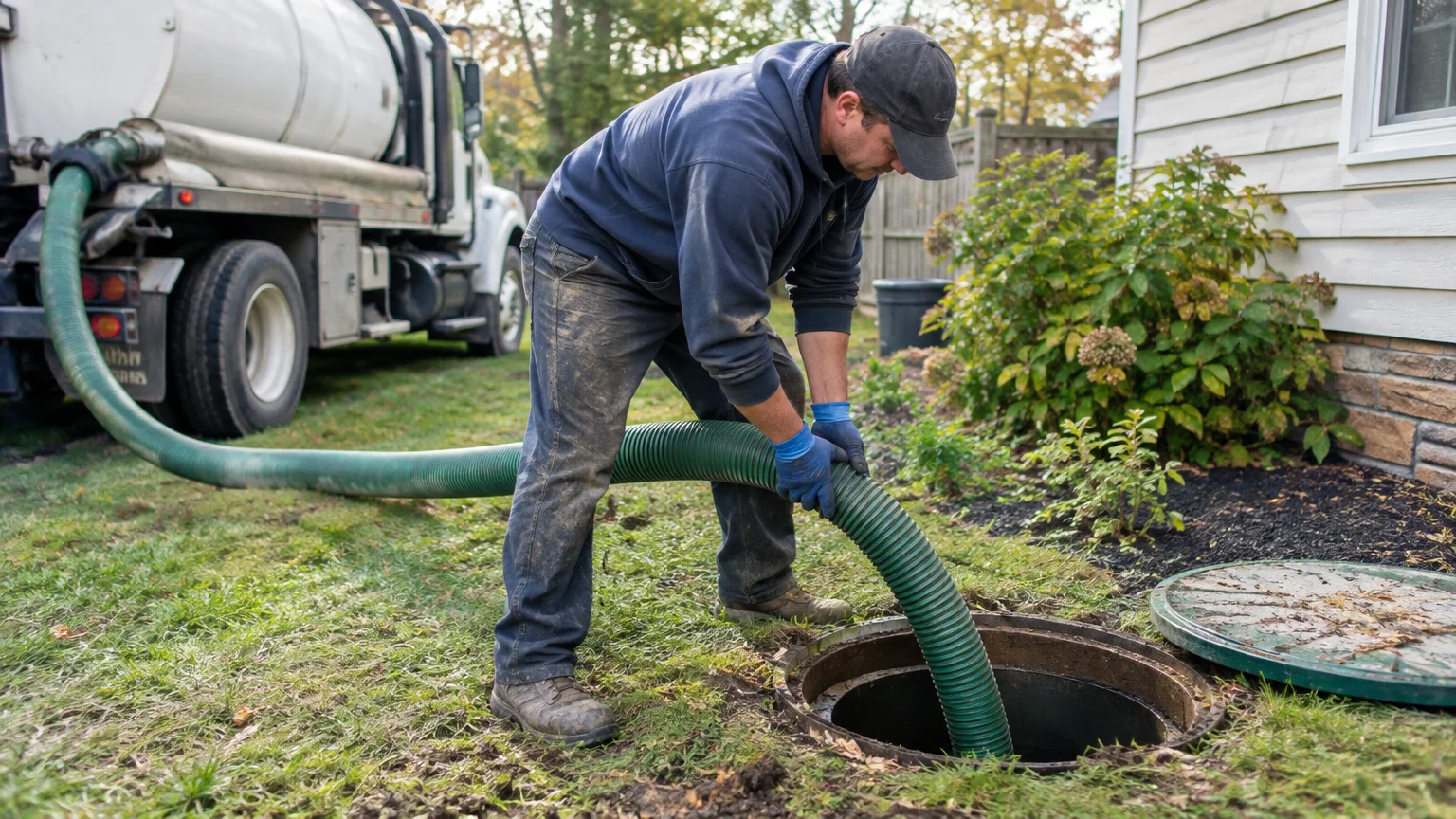
The work may take more time when the tank is hard to find, deeply buried, blocked, or under pavement. A larger tank and heavy buildup can also change the work involved. Emergency timing and difficult access may affect the final quote.
Ask what the service includes and whether the findings will be explained. The final cost should be confirmed in a quote before extra work starts. A sound estimate cannot be based on tank size alone.
How pumping compares with related septic repairs
Routine pumping is usually less involved than replacing a tank, repairing a collapsed pipe, or restoring a failed drain field. Tank replacement may need digging, disposal, permits, and new pipe connections. Drain field work may involve soil, design, grading, and local approval.
The phrase septic tank replacement describes a much larger project than routine pumping. The final cost also depends on materials, access, site conditions, and required connections. A professional assessment is the best way to compare the available choices.
How can you prevent a septic tank from becoming too full?
A good prevention plan includes regular pumping, careful water use, quick leak repairs, and proper waste disposal. Property owners should also learn where the tank and drain field are located before trouble begins.
A practical maintenance and water-use routine
Use water steadily instead of sending a large amount through the system at once. Repair leaking toilets and taps. Spread laundry across several days when possible. Use septic-safe habits with cleaning products.
Never flush wipes, paper towels, diapers, grease, paint, medicine, or harsh chemicals. A garbage disposal adds solids and may require more care. Keep gutters and sump pumps from sending extra water toward the drain field.
A useful routine includes:
- Keep records of pumping, inspections, repairs, and alarms.
- Protect the tank and drain field from vehicles and heavy structures.
- Check toilets and taps for hidden leaks.
- Watch for odors, wet ground, slow drains, and gurgling.
- Arrange professional help when several warning signs appear together.
Warning signs that should not be ignored
One slow drain may have a simple household cause. Several slow fixtures, sewage odors, wet ground, and repeated backups suggest a wider system problem. Early attention may limit damage to the home and drain field.
Septic Tank Pumping Athens helps property owners understand septic warning signs. Local soil, weather, system design, and property use can all affect how a septic system works.
Frequently Asked Questions
What is a septic tank?
A septic tank is a buried container that receives wastewater from a property. Solids settle, lighter material floats, and liquid leaves through an outlet toward a drain field. The tank is only one part of a septic system. Pipes, soil, pumps, and treatment areas must also work well.
How deep is a septic tank buried?
A septic tank may sit at different depths based on the property layout, soil, tank design, and local rules. Some lids are near the surface. Others are covered by more soil. A professional can locate the tank safely without guessing or unsafe digging.
What happens if a full septic tank is ignored?
Ignoring a full tank can lead to slow drains, sewage backups, odors, wet ground, and drain field damage. Solids may enter pipes or soil. Sewage can also create health and property risks. Prompt assessment helps show whether pumping alone will solve the problem.
How often should a septic tank be pumped?
There is no single schedule for every property. Tank size, household size, water use, garbage disposal use, and solids buildup all matter. A professional can suggest a routine after reviewing the tank and its history. Waiting for a backup is not a safe maintenance plan.
Can homeowners pump a septic tank themselves?
Homeowners can safely reduce water use, check simple leaks, record signs, and keep people away from sewage. They should not open or enter a septic tank. Toxic gases and low oxygen can cause sudden death. Pumping needs special equipment, training, and safe waste handling.
Key Takeaways
- A full septic tank can cause slow drains, gurgling, odors, and sewage backups.
- Several affected fixtures often point to a septic system problem, not one sink clog.
- Reduce water use and keep people away from sewage until the system is checked.
- Pumping removes tank contents but cannot repair every pipe, pump, or drain field.
- Regular maintenance and early action can help protect the septic system.
Conclusion
Knowing what happens when septic tank is full helps property owners act before a warning becomes a major backup. A full tank may need pumping, but the real cause could be a clog, broken pipe, failed pump, or drain field problem.
Homeowners can limit water use and check simple leaks themselves. They should leave tank access, sewage cleanup, and system repairs to trained professionals. Contact us to discuss the signs and arrange the right next step for the property.