The main difference in septic vs cesspool systems is how they handle wastewater. A septic system uses a tank to settle solids before liquid moves to a drainfield. A cesspool stores and releases wastewater in one pit. This means septic systems usually provide more controlled soil treatment.
Table of Contents
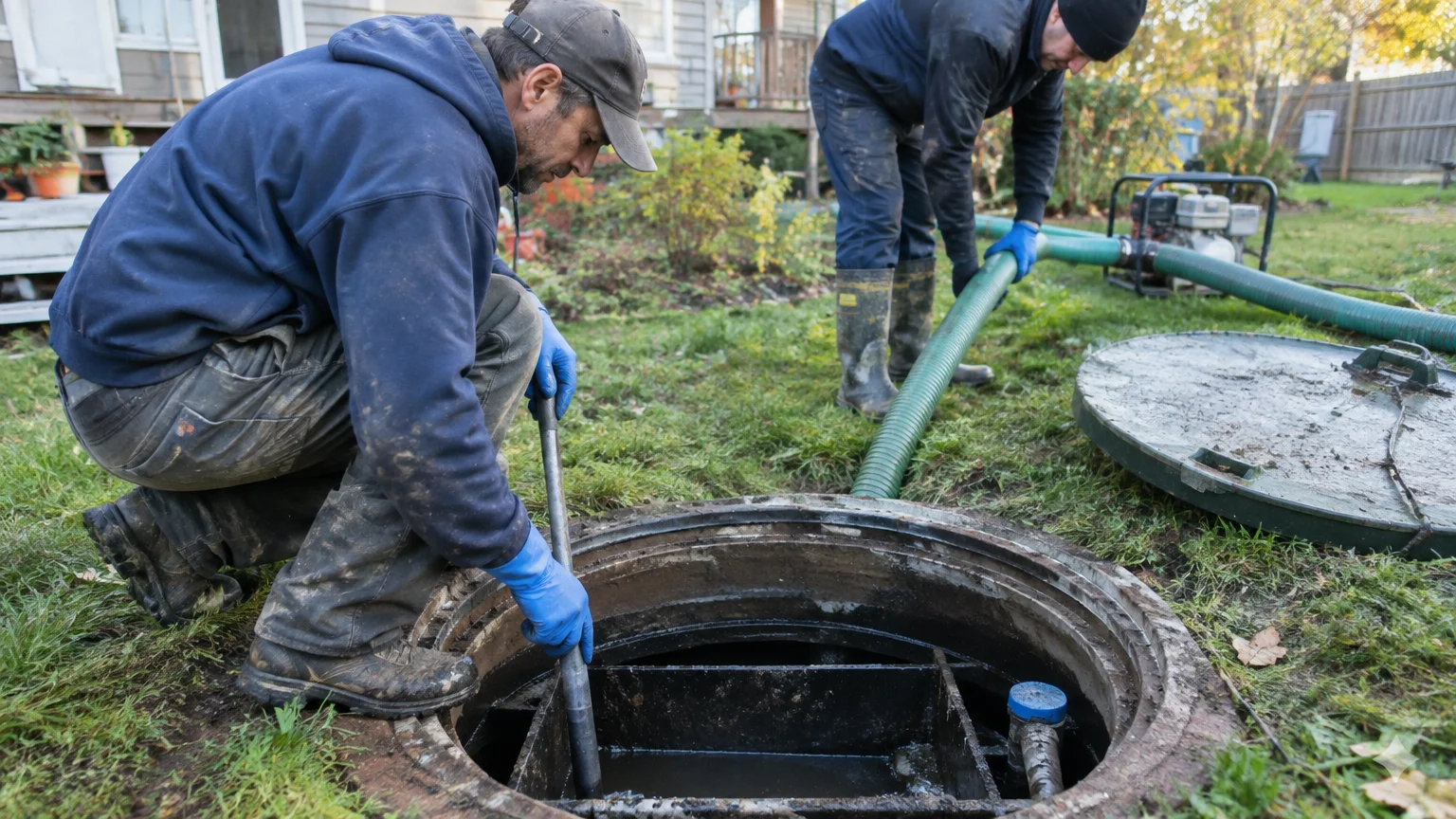
- What is the difference between a septic system and a cesspool?
- How does a septic system work?
- How does a cesspool work?
- Septic vs cesspool: What happens inside each system?
- What parts make up a septic system?
- What parts make up a cesspool?
- What is the visual difference between a septic system and a cesspool?
- Which system is safer for groundwater and the environment?
- Are cesspools legal, and can they be replaced with septic systems?
- Which system is right for a property, and what are the common misconceptions?
What is the difference between a septic system and a cesspool?
A septic system separates wastewater treatment from disposal. A cesspool usually combines both jobs in one underground pit. This difference affects how solids settle, how liquid leaves the system, and how much treatment happens before wastewater reaches the soil.
A septic system has a sealed tank and a separate drainfield. The tank holds wastewater long enough for heavy solids to sink. Grease and other light waste float. The liquid layer then flows to the drainfield, where soil helps filter and treat it.
A cesspool is a pit with porous walls, openings, or both. Wastewater enters the pit and slowly leaves through the sides or bottom. Solids can collect inside, but the system has fewer treatment steps than a modern septic design.
People often confuse these systems because both serve properties without public sewer lines. Some people also call a septic tank a cesspool in daily speech. In technical use, these are different wastewater systems.
The spelling is simple: the word is cesspool. Older property records may use terms such as seepage pit or drywell. Owners should check permits, site plans, and inspection notes instead of relying on an informal name.
Septic Tank Pumping Athens can help Athens property owners learn which system serves a home or building. This review can help before pumping, digging, buying a property, or planning an addition.
How does a septic system work?
A septic system collects wastewater in a buried tank. It separates solids from liquid and sends the liquid to a drainfield. The drainfield spreads the liquid through soil for more treatment.
Wastewater leaves the building through a sewer pipe. It enters the tank through an inlet pipe. The tank slows the flow. Heavy solids form a bottom layer called sludge. Grease and other light waste form a top layer called scum. The middle layer is mostly liquid effluent.
Effluent means the liquid that leaves the tank. An outlet pipe carries it toward the drainfield. A baffle or outlet filter helps keep floating solids from leaving the tank. Some systems use a pump tank or distribution box to send liquid evenly across the drainfield.
The drainfield has perforated pipes or similar parts. These parts spread effluent across a prepared area. Soil absorbs the liquid. Helpful microbes in the soil provide more treatment as water moves downward.
A septic system does not make wastewater safe at once. It needs good soil, enough space, and regular care. Too much water at one time can overload the tank and drainfield. Leaks, blocked pipes, and strong chemicals can also harm system performance.
Homeowners can safely reduce strain by fixing leaking fixtures. Keep cars and heavy equipment off the drainfield. Keep large roots away from buried pipes. These simple maintenance steps do not require a professional in most cases.
Tank inspection, septic pumping, and sewage cleanup need trained workers. Tank lids, harmful gases, and dirty wastewater can cause serious injuries. Never enter a tank or lean over an open access point.
How does a cesspool work?
A cesspool stores wastewater in one underground pit. Liquid escapes through porous walls or the bottom. Since storage and disposal happen in one place, a cesspool has less separation and treatment than a tank-and-drainfield system.
Older cesspools may have brick, block, stone, or concrete walls. Some have open bottoms. Others have gaps between wall sections. These openings let liquid seep into nearby soil.
Wastewater enters through a pipe and collects inside the pit. Heavy material settles. Liquid moves outward through the soil. Some treatment can happen in that soil, but results vary with soil type, groundwater depth, system age, and water use.
A cesspool has limited treatment space. It does not have a separate settling tank and planned drainfield. Solids can block openings and slow flow. When the pit is overloaded, wastewater may rise to the surface or move through soil too quickly.
Cesspools can also be hard to find. Old records may be missing. Covers may be buried. Never enter a cesspool or open an unknown cover without trained help. Toxic gases, weak walls, and dirty water can cause severe harm.
A cesspool is not the same as a septic pumping tank. A septic tank is one part of a larger system. A cesspool is usually the main structure for holding and releasing wastewater. The correct term helps workers review safety issues and replacement options.
Septic vs cesspool: What happens inside each system?
In a septic vs cesspool comparison, the main difference is controlled treatment. A septic system separates solids, liquid, and scum inside a tank. It then sends liquid to a planned soil area. A cesspool sends wastewater into one pit where storage and seepage overlap.
Inside a septic tank, bacteria start breaking down organic waste. This process does not remove every pollutant. It reduces some solids before liquid reaches the drainfield. Sludge and scum still build up, so the tank needs inspection and pumping.
The drainfield receives liquid effluent. Soil type, depth, air, and structure affect treatment. Slow or packed soil may not accept water well. Very sandy soil may let water move too fast. A high water table can leave too little soil for treatment.
Inside a cesspool, liquid moves into nearby soil from the same structure that holds solids. The soil may filter some waste, but the treatment area is less controlled. A damaged wall, heavy water use, or shallow groundwater may increase pollution risk.
Possible pollutants include sewage bacteria, nutrients, and other wastewater contaminants. Warning signs may include wet ground, bad smells, bright grass, sewage backups, or slow drains. These signs can have other causes, so an on-site review is needed.
Neither system should receive paint, solvents, medicines, grease, wipes, or harmful chemicals. These items may damage treatment or clog pipes. They may also move into soil and groundwater. Only normal household wastewater should enter the system unless it was designed for another use.
Emergency pumping may help when wastewater backs up or rises quickly. It does not fix every cause of failure. A worker still needs to find the reason for the backup and check the tank, pipes, and drainfield.
What parts make up a septic system?
A septic system includes more than a buried tank. It may have building sewer pipes, an inlet, tank chambers, baffles, an outlet filter, access covers, a distribution box, a pump, and a drainfield.
The tank is usually below ground. Owners often ask how deep a septic tank is buried. There is no single depth for every property. Soil cover, frost, tank design, site grade, and local rules all affect the placement.
Access covers let workers inspect and pump the tank. Covers should stay secure and easy to find. Buried or damaged covers create a safety risk. They can also make routine care harder.
Do not place decks, sheds, driveways, or heavy equipment over access points unless the system was designed for that load. Heavy weight can damage covers, pipes, or the tank. It can also block workers from reaching the system.
A baffle guides incoming and outgoing flow. The outlet filter helps stop larger solids from reaching the drainfield. Some systems also use an alarm, pump chamber, electrical controls, or a distribution box. Each part can have different maintenance needs.
The drainfield includes pipes and soil. It may sit under grass or another approved surface. Keep the area clear of cars, storage, deep-rooted trees, and buildings. Roof drains, sump pumps, and yard runoff should not discharge there.
A professional can locate parts by using records, probing tools, cameras, or other methods. Homeowners can safely keep the area clear and watch for wet spots. Opening tanks, cleaning filters, and handling sewage require training and protective gear.
What parts make up a cesspool?
A cesspool usually has a pit, a wall or lining, an inlet pipe, an access opening, and nearby soil. Its design depends on its age, local building habits, and the materials used during installation.
The wall may use masonry, concrete, stone, or another material. Older walls may have openings that let liquid escape. The bottom may also be open. This makes the nearby soil part of the disposal system.
An access opening may have a slab, lid, or buried cap. A hidden opening can hurt people, pets, and equipment. Keep children away from suspected structures. Arrange a professional location and safety check.
Cesspools differ from newer systems because they usually lack a separate tank and planned drainfield. They may also lack modern filters, alarms, flow controls, and written treatment areas. Still, every old system has a different condition and risk.
A cesspool may seem to work for years when water use stays low and soil accepts the flow. Problems can appear when a family grows, a building changes use, groundwater rises, or the pit begins to fail. Slow drains and odors should not be ignored.
Replacing or changing a cesspool is not simply a digging job. The property may need soil testing, setback checks, design approval, and a permitted installation. Septic Tank Pumping Athens can help identify the structure and explain which licensed workers or local offices may be involved.
What is the visual difference between a septic system and a cesspool?
A septic system usually has two connected areas. One is a buried tank near the building. The other is a separate drainfield farther away. A cesspool usually has one pit that receives wastewater and releases it into nearby soil.
In a typical septic system, a sewer pipe leads to a sealed tank. Sludge settles at the bottom. Liquid stays in the middle. Scum floats on top. An outlet then leads to a distribution box and perforated drainfield pipes.
The drainfield has clean soil above it. Access covers provide entry for inspection and care. The main parts include the inlet, outlet, tank, effluent, drainfield, and soil treatment area.
A typical cesspool has one underground pit connected to an inlet pipe. Liquid moves through porous walls or the bottom. Shallow groundwater near the pit may increase pollution concerns.
Real systems can look different from simple drawings. Some septic systems use pumps, pressure lines, several tanks, or added treatment units. Some cesspools have solid liners or unusual shapes. A diagram explains the basic idea but cannot confirm a property’s system type.
Records, inspection openings, soil features, and locating work give better answers. Septic Tank Pumping Athens can help Athens owners understand what a diagram means when the buried system is difficult to identify.
Which system is safer for groundwater and the environment?
A properly designed septic system is generally safer for groundwater than a cesspool. It separates settling from soil treatment. Actual risk still depends on design, soil, groundwater depth, water use, maintenance, and condition.
A septic system lets solids settle before liquid reaches the drainfield. The drainfield spreads flow across a planned area. This helps the soil treat wastewater more evenly. A failed tank, blocked outlet, or wet drainfield can still cause pollution.
A cesspool sends wastewater into soil close to the pit. If the soil is thin, sandy, cracked, flooded, or close to a well, pollutants may move more easily. A damaged cesspool can affect surface water or nearby land.
Warning signs include sewage odors, standing wastewater, soggy ground, bright grass over the system, repeated backups, and changes in well water. These signs do not prove one cause. They do show that prompt review is wise.
Protect wells, streams, ponds, and drainage areas from wastewater. Direct stormwater away from septic parts. Heavy rain can saturate the soil and make an existing problem worse.
Water testing may be needed when a private well is nearby or pollution is suspected. A qualified worker can inspect the wastewater system. A certified lab can test the water. Local health or environmental offices may provide more help when public health is involved.
Are cesspools legal, and can they be replaced with septic systems?
Cesspool rules vary by state, county, city, system age, and site conditions. Some existing cesspools may remain under limited rules. New cesspools may be restricted or banned. Check current local requirements before making changes in Athens.
Replacement may be possible when the property has enough suitable soil and space. It must also meet separation rules for wells, buildings, property lines, and water features. The site may need a soil review or percolation test. A perc test checks how quickly water moves through soil.
The final cost of septic tank replacement depends on system size, soil, access, design, permits, digging, tanks, pumps, and surface repairs. Some projects are simpler than others. The final cost is confirmed on a quote after the property and required work are reviewed.
Gather the site plan, permits, pumping records, inspection reports, and well information. If records are missing, a professional may locate the system and record what can be found.
Before buying a property, ask who will inspect the system and what the inspection covers. A general home inspection may not include a full septic review. Investors and landlords should also consider future use, water flow, and repair access.
Changing a wastewater system without approval can cause safety, legal, and resale problems. The safest path is to confirm local rules. Use qualified workers for design, installation, pumping, and waste disposal.
Which system is right for a property, and what are the common misconceptions?
The right wastewater system depends on property use, soil, space, groundwater, local rules, and expected flow. A modern septic system is often the better replacement for an old cesspool. The property must still support the design.
A larger home, rental, or business may produce more wastewater than an old cesspool can handle. A system made for a small home may not serve a restaurant, office, or multi-unit building. Expected use must be part of the review.
Common misunderstandings include these:
- Pumping does not fix every problem. It removes built-up solids, but it cannot repair a crushed pipe, failed drainfield, unsafe wall, or poor soil.
- A drainfield is not a storage area. Cars, sheds, pools, and deep roots can damage pipes and pack down soil.
- A septic tank is not a cesspool. The tank is one part of a system that also needs a drainfield or approved treatment method.
- Slow drains do not always mean a full tank. A blocked line, damaged pipe, wet soil, or failed pump can cause the same sign.
- More water is not always better. Spreading laundry and fixing leaks can reduce sudden flow, but cannot fix an undersized system.
Homeowners can reduce strain by using water wisely, keeping service records, and watching the system area. They do not need a professional for these simple checks. They should not enter tanks, lean over open covers, or handle sewage without training.
Key takeaways
- A septic system uses a tank and a separate drainfield.
- A cesspool combines storage and soil disposal in one pit.
- Septic systems need suitable soil, regular care, and safe access.
- Cesspool rules and replacement choices depend on local requirements.
- A professional review helps before digging or changing a buried system.
Conclusion
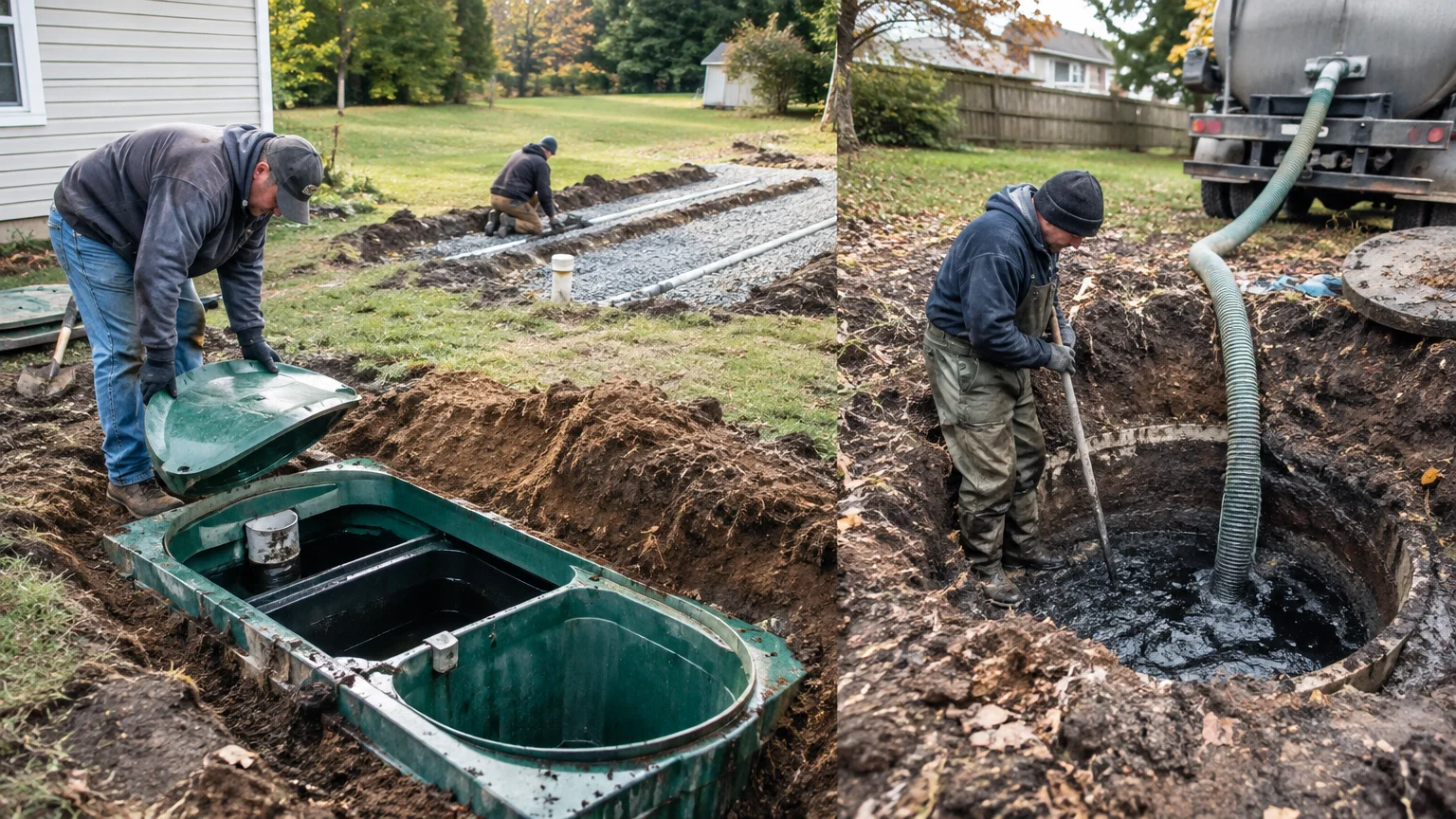
The main lesson in septic vs cesspool comparisons is that design controls wastewater treatment. Septic systems provide more separation and planned soil treatment. Cesspools use one pit and may create greater groundwater concerns, especially when old, damaged, overloaded, or close to wells.
Septic Tank Pumping Athens helps property owners understand septic tanks, cesspools, drainfields, pumping needs, and maintenance in the Athens area. Service may reach Downtown Athens, Watkinsville, Bogart, Bishop, Winterville, and nearby communities. Contact us to arrange a professional review and discuss the next practical step.
Frequently Asked Questions
What is a septic tank?
A septic tank is a buried, sealed container that holds wastewater from a property. Heavy solids settle. Light material floats. Liquid leaves through an outlet and travels to a drainfield or another approved treatment area. The tank needs inspection and septic pumping because solids do not disappear.
How deep is a septic tank buried?
A septic tank can sit at different depths. The depth depends on tank design, soil cover, climate, property grade, and local rules. Access covers should remain secure and easy to find. Do not dig blindly because pipes, wires, and unsafe openings may be nearby.
How often should a septic tank be pumped?
Timing depends on tank size, household size, water use, wastewater strength, and the solids inside. Inspection findings are more useful than one fixed schedule. A trained worker can check sludge and scum levels and explain whether pumping is needed.
Can a cesspool be converted to a septic system?
A cesspool may be replaced when the property meets current site and health rules. Soil, space, groundwater, setbacks, wastewater flow, and permits all matter. Get a site review first. The old cesspool location may not work for a new drainfield.
Is septic pumping the same as septic tank cleaning?
People often use these terms together, but they can mean different work. Pumping removes liquid and built-up solids from the tank. Cleaning may include attention to filters, inlet areas, or other reachable parts. Confirm the planned work before service, especially after backups or damage.
If you are unsure whether a property has a septic system or cesspool, arrange a review before the issue grows. This can help you choose safe maintenance, emergency pumping, or a suitable replacement path.
If you are not sure what you are dealing with, it is worth having someone look at it before it turns into a bigger job. Get in touch with Septic Tank Pumping Athens today and we will tell you where you stand.