Septic tank upkeep helps wastewater move safely through your home system. It includes careful water use, simple checks, regular septic pumping, and quick action when warning signs appear. Good care can help protect the tank, pipes, and drainfield while helping Athens property owners find problems before they grow.
Table of Contents
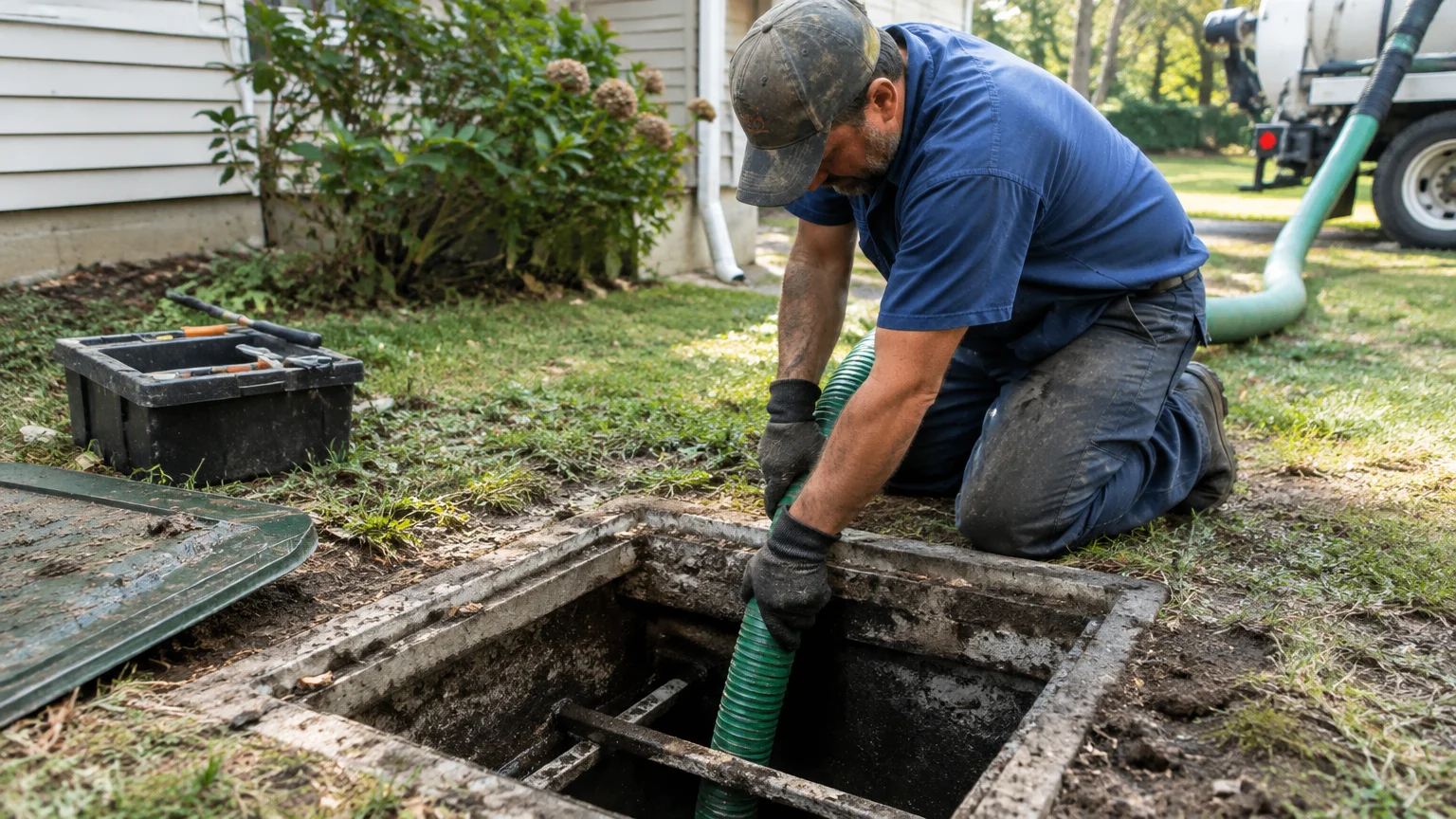
- What does septic tank upkeep involve?
- What can homeowners safely do for septic tank upkeep?
- How often should a septic tank be pumped?
- What are the steps for maintaining a septic system?
- What can go wrong when septic maintenance is overlooked?
- When should you call a septic professional?
- How can you build a long-term septic care plan?
- Frequently Asked Questions
What does septic tank upkeep involve?
Septic tank upkeep means caring for all parts of a private wastewater system. A septic tank is a buried container that holds wastewater from the home. Solids sink, lighter waste floats, and liquid moves to the drainfield. The drainfield is the soil area that filters the liquid before it returns to the ground.
Why routine maintenance protects system lifespan
Routine maintenance helps the system work as planned. It can also lower stress on pipes, tank walls, filters, pumps, and soil. When solids build up, they can move into the drainfield. This may block the soil and cause wastewater to rise in the yard or back up inside the home.
Good care does not mean you must do every task yourself. Homeowners can control water use, protect the tank area, and watch for changes. A trained septic worker should handle tank access, pumping, inspection, and repairs involving buried parts or wastewater.
Septic Tank Pumping Athens helps Athens property owners learn which tasks belong on a home schedule. It also explains which jobs need trained help. This clear plan makes septic care safer for families, tenants, and property investors.
Which maintenance tasks belong on a homeowner’s schedule?
Homeowners can keep records, check visible areas, and use water with care. They can keep vehicles, sheds, pools, and deep-rooted plants away from the tank and drainfield. Daily habits matter because too much water at once can overload the system.
Professional work includes opening the tank, checking sludge and scum, cleaning filters, and checking pumps. A septic worker may also inspect the distribution box and drainfield. These parts are often buried and may contain harmful gases or unsafe wastewater.
What can homeowners safely do for septic tank upkeep?
Homeowners can safely handle simple checks and daily habits without opening the tank. The safest plan is to watch visible areas, protect the soil, and keep harmful items out of drains. These steps support septic tank upkeep without putting anyone near dangerous gases or untreated waste.
Simple inspections and daily-use habits
Watch for slow drains, gurgling sounds, sewage smells, or wet spots near the tank area. Write down when these signs happen. Also note if they follow heavy rain or high water use. This record can help a professional find the cause faster.
Spread water use across the day when you can. Fix dripping faucets and running toilets. Use septic-safe products when possible, but no product takes the place of pumping and inspection. Do not flush wipes, paper towels, cotton items, grease, paint, medicines, or cleaning chemicals.
A septic tank is not a trash bin. Toilet paper and human waste are the only items that should normally go into a toilet. Even items marked flushable may not break down well in a private septic system.
How to protect the drainfield and tank area
Keep the tank and drainfield easy to find. Make a simple sketch that shows their locations, lids, pipes, and access points. This helps during future service and lowers the chance of accidental digging.
Follow these basic safeguards:
- Keep cars, trucks, trailers, and heavy equipment off the tank and drainfield.
- Direct roof water, sump water, and surface runoff away from the drainfield.
- Avoid planting trees or large shrubs over buried septic parts.
- Keep grass cover in place to help reduce soil erosion and runoff.
- Do not build patios, additions, pools, or sheds over the system.
Never enter a septic tank. Do not lean over an open lid or work alone near an access point. Septic gases can harm a person quickly. Open tanks also create a serious fall risk.
How often should a septic tank be pumped?
No single pumping schedule works for every property. The right time depends on tank size, household size, water use, solids, and past service records. A professional can check the tank and suggest a schedule based on its condition.
What affects pumping frequency?
A home with more residents may fill its tank faster than a smaller home. Frequent laundry, long showers, leaking fixtures, and large water releases also add strain. Garbage disposals can send more solids into the tank and may require closer care.
Tank size matters as well. A smaller tank may need service sooner than a larger tank serving the same home. Older systems, seasonal homes, rental properties, and homes with pumps may need a more careful plan.
Do not wait for a backup before keeping records. Write down the last pumping and inspection dates. Ask about the tank size, filter condition, pump parts, and drainfield location. A service record helps future owners and tenants understand the system.
How to track inspections, pumping, and system changes
Keep documents in one home file or digital folder. Record the service date, work completed, visible concerns, tank location, and changes to the property. Add notes about new bathrooms, additions, large appliances, or a change in household size.
An inspection may help before buying or selling a property. It may also help before major work near the septic area. A perc test is a soil test that shows how quickly water moves through a possible drainfield area. Depending on local rules, a local authority or approved soil professional may handle this test.
What are the steps for maintaining a septic system?
Maintaining a septic system starts with good records and safe home habits. Next, make a visual check, use water with care, and arrange professional service when needed. A simple plan makes it easier to spot changes before they become urgent.
A practical septic tank upkeep checklist
Property owners can use this checklist as a starting point:
- Find and record the tank, lids, pipes, filter, pump, and drainfield.
- Check the ground for odors, standing water, sewage, or very green grass.
- Spread laundry and other heavy water use across several days.
- Keep grease, chemicals, wipes, and non-degradable items out of drains.
- Protect the tank and drainfield from traffic, digging, and new structures.
- Review past inspection and pumping records before scheduling service.
- Ask a septic professional to check buried parts, filters, pumps, and tank levels.
This list does not replace a professional inspection. It helps homeowners prepare and gives the service provider useful background.
How to prepare for a professional inspection or pumping visit
Clear access to the tank area before the appointment. Move vehicles, outdoor items, and loose materials away from lids and access points. Keep pets and children away from the work area.
Share recent symptoms, such as backups, smells, slow drains, or wet soil. Tell the professional about plumbing changes, a new garbage disposal, or a long time when the property was empty. These details can change what the worker checks.
After service, ask for a clear work record. You should know where the tank was opened, whether a filter or pump was checked, and whether more work is needed. Septic Tank Pumping Athens can help local owners in the main Athens area, from Downtown Athens to Watkinsville, Bogart, Bishop, Winterville, and nearby communities. The team can also help owners prepare questions about the next maintenance step.
What can go wrong when septic maintenance is overlooked?
Poor maintenance can allow solids to leave the tank and enter the drainfield. It can also hide leaks, damaged pipes, blocked filters, or pump problems. Early action gives a homeowner more choices and may help protect the rest of the system.
Early warning signs of a developing problem
One slow drain may come from a fixture or indoor pipe. Several slow drains may point to a larger septic problem. Sewage smells, wet ground, or wastewater near the tank or drainfield need quick attention.
Watch for these signs:
- Toilets bubble or drain slowly when sinks, showers, or laundry run.
- Wastewater backs up into a tub, shower, floor drain, or toilet.
- The yard has soggy spots when little rain has fallen.
- Grass over the drainfield grows faster or looks much greener.
- Sewage smells appear indoors or near buried system parts.
- The pump alarm sounds or a warning light stays on.
Do not cover a wet area with soil, cleaner, mulch, or grass seed. That will not fix the problem. It may hide a health risk and make the source harder to find.
How neglect can affect the tank, pipes, and drainfield
When solids build up, they can block outlet parts and harm the drainfield. Too much water can keep the soil wet and leave less room for natural treatment. A failing drainfield may take time to recover. Pumping alone may not fix all damage.
Poor maintenance can also affect people nearby. Untreated wastewater may contain germs that spread through soil or surface water. Keep children and pets away from sewage, standing wastewater, and areas with strong sewage smells.
When should you call a septic professional?
Call a septic professional for backups, sewage smells, wet drainfield soil, alarms, damaged lids, or repeated slow drains. Professional help is also needed for pumping, tank opening, filter cleaning, inspections, and work on buried pipes or pumps.
Problems that require prompt attention
A backup inside the home is an urgent warning. Stop using water until you know the cause. Keep people and pets away from wastewater. Do not touch dirty surfaces until they are cleaned safely.
Call for prompt help when a pump alarm sounds, a tank lid is broken, or sewage appears near a well, stream, ditch, or property line. A damaged lid can cause a fall even when the system seems to work normally.
A professional should also check the system before a property purchase or after major plumbing changes. This is important when the owner cannot find reliable service records. Septic tank pump services and septic system pumping services are not the same as a quick drain cleaning visit. The worker needs to review the private wastewater system as a whole.
Why some repairs and inspections are not homeowner jobs
Tank gases can be toxic, and an open tank can be deadly. Wastewater may carry harmful germs. Digging can damage buried pipes, electrical lines, or the tank itself. For these reasons, owners should not enter a tank, remove heavy lids, dig into the system, or repair pumps.
A septic professional has the tools and training to locate parts, remove solids, inspect equipment, and manage wastewater safely. Rules for permits, inspections, and soil tests can vary by state and local authority. Septic Tank Pumping Athens serves property owners across Athens and can explain when a trained visit is the safer choice.
How can you build a long-term septic care plan?
A long-term plan combines good records, careful water use, protected soil, and timely professional service. It should fit the property, tank, household, and local rules. The plan should also be easy for future owners, tenants, or managers to follow.
Key takeaways for protecting system lifespan
- Know the layout: Keep the tank, pipes, pump, and drainfield locations recorded.
- Use water wisely: Fix leaks and avoid sending large water loads through at once.
- Protect the soil: Keep vehicles, buildings, deep roots, and runoff away from the drainfield.
- Watch for changes: Treat smells, wet spots, backups, and alarms as warning signs.
- Use trained help: Leave pumping, tank access, inspections, and repairs to a septic professional.
Review the care plan after a home sale, addition, household change, or major plumbing upgrade. Update it after every service visit. This keeps the next owner or property manager informed.
Questions to ask before scheduling septic service
Ask whether the provider handles the tank, pump, filter, and drainfield concerns involved. Ask what access is needed and what records should be ready. You can also ask which findings need quick action and which items should be watched.
The provider should explain the work in plain language. You should receive a service record and clear next steps. Septic Tank Pumping Athens helps Athens homeowners, landlords, and property managers make a practical plan for septic tank upkeep.
For help with safe septic care, Contact us to discuss the next step for your property.
Frequently Asked Questions
What is a septic tank?
A septic tank is a buried container that receives wastewater from a property. Heavy solids sink, lighter material floats, and liquid flows toward a drainfield. The tank needs regular professional care because solids do not disappear on their own. Homeowners should never enter the tank or open it without proper training and safety controls.
How deep should a septic tank be?
Tank depth varies by tank design, soil cover, property grade, and local installation choices. Some lids sit near the surface, while other tanks are buried deeper. Owners should use site records or ask a professional to find the tank. Do not dig blindly or use heavy equipment over it.
How far does a septic tank need to be from a house?
Required setbacks vary by state and local rules, soil, well locations, property lines, and system design. A septic professional or local authority can confirm the needed distance for a property. The tank and drainfield should stay accessible and protected from traffic. They must also be set apart from wells and surface water as required.
Who performs a perc test?
A perc test is usually performed or overseen by a qualified soil professional, environmental health office, or local permitting authority. The process depends on the local area and the planned system. A septic installer may help arrange the test. Confirm the rules with the local authority before planning construction.
How do you spell cesspool?
The standard spelling is cesspool. A cesspool differs from a modern septic system. It may release wastewater into nearby soil without the same treatment and distribution design. Property owners should use the terms carefully when reviewing old records, permits, inspections, or property disclosures.
If you are unsure what system you have, arrange a safe review before a small concern becomes a larger problem.
If you are not sure what you are dealing with, it is worth having someone look at it before it turns into a bigger job. Get in touch with Septic Tank Pumping Athens today and we will tell you where you stand.