For homeowners asking, is Drano septic tank safe, the safest answer is usually no. Avoid chemical drain cleaners when a plunger or drain snake can clear the clog. Read the exact product label and ask a septic professional if needed. A slow drain may also point to a larger pipe or septic problem.
Table of Contents
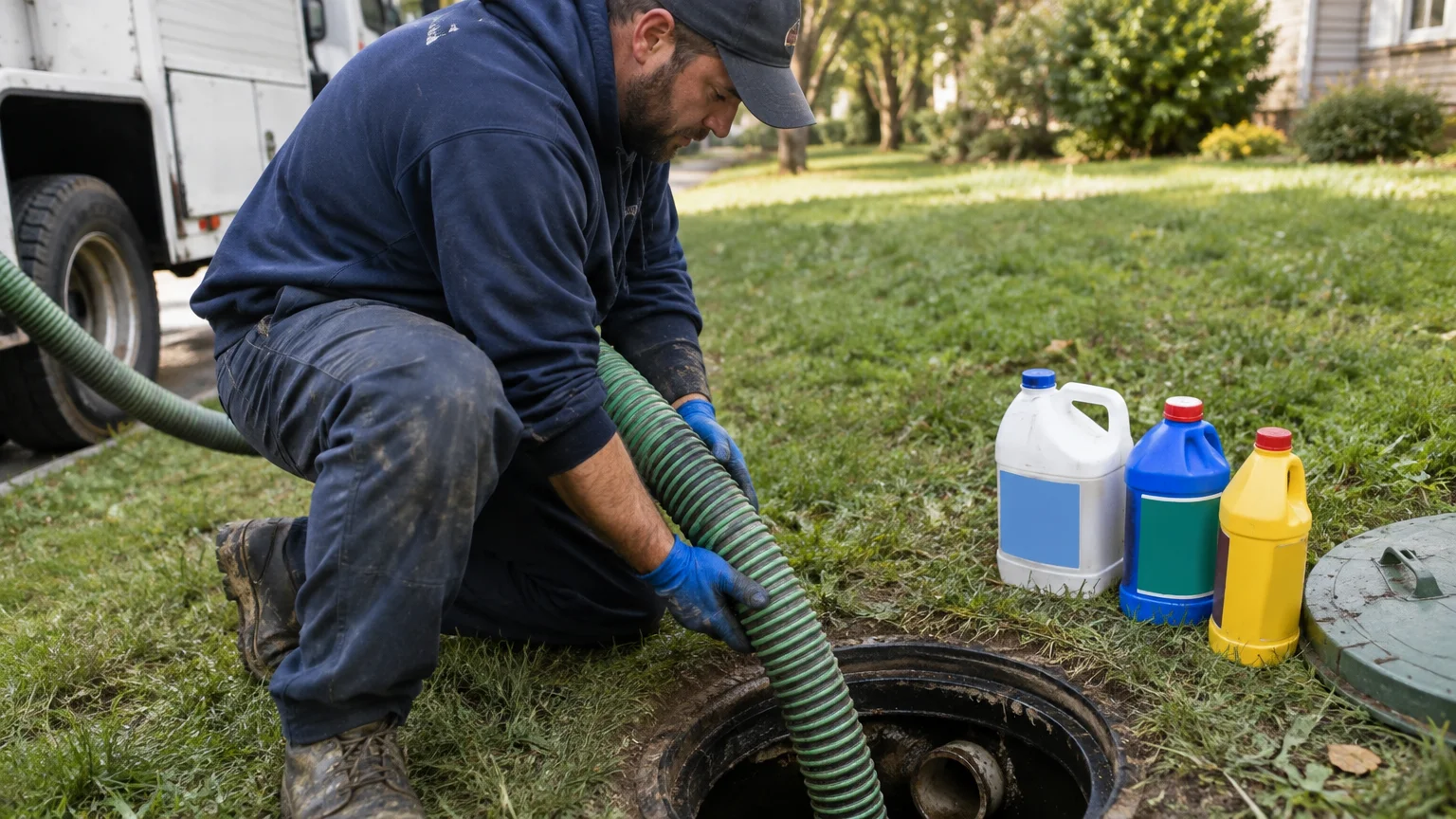
- Is Drano septic tank safe?
- What happens when Drano enters a septic system?
- Can Drano harm septic tank bacteria?
- Does Drano damage septic pipes or tank components?
- Is liquid Drano safer than other drain cleaners for septic systems?
- What should you use instead of Drano for a slow drain?
- How can you unclog a septic-system drain without chemicals?
- What should you do if you already poured Drano down the drain?
- Which common drain products should septic owners avoid?
- How do you protect a septic system from drain problems?
Is Drano septic tank safe?
Drano is not the best first choice for a home with a septic system. Check the exact product label before use. Follow all directions and warnings. Even label wording about septic systems does not mean the product is right for every pipe, tank, clog, or repeated use.
A septic system treats wastewater in stages. Wastewater leaves the home and enters a buried tank. Solids settle, oils float, and liquid moves toward the drainfield. Helpful microbes break down some waste during this process.
Drano uses strong chemicals to loosen some clogs. Those chemicals may pass through the drain and enter the tank. One use may not cause a clear failure. Still, repeated use can create more risk than a mechanical fix.
What the product label and septic guidance indicate
The label is the first place to look. Read the label for the exact product, not just the Drano brand name. Different products may use different ingredients. They may also have different warnings.
The U.S. Environmental Protection Agency’s septic system guidance tells homeowners to keep harmful chemicals out of septic systems when possible. This advice supports careful use of household cleaners.
The short verdict for septic system owners
The simple answer is to avoid Drano when a plunger or drain snake can solve the problem. Septic Tank Pumping Athens can help Athens homeowners when a drain stays slow or several drains act up together.
One accidental use does not always mean the tank needs immediate septic pumping. The next step depends on the product, amount, drain location, symptoms, and age of the system.
What happens when Drano enters a septic system?
Drano first moves through the home’s drain line. If it does not dissolve the clog, some product may stay in the pipe. If the clog opens, diluted wastewater and chemical residue can move toward the septic tank.
The cleaner does not stop at the drain opening. A product used in a sink, tub, shower, or bathroom drain may reach the same tank. The tank receives wastewater from many parts of the home.
How chemical drain cleaners work inside plumbing
Chemical drain cleaners react with hair, grease, soap, and other buildup. Some products create heat. Others break down organic material or change the chemical balance near the clog.
This reaction may open a narrow path. It can also leave heat, fumes, and caustic residue. Caustic means able to burn skin, eyes, or living tissue. A product that seems easy to use still needs careful handling.
The reaction may not remove the whole blockage. A drain may work for a short time while material remains farther down the line. The same clog may return later and become harder to find.
What reaches the septic tank afterward
When water flows again, chemical residue may move with it. The amount that reaches the tank depends on the product, water flow, clog location, and amount used.
The tank receives more than liquid. It also receives bacteria, soap, grease, and household waste. Strong chemicals can change this mix. One use may not destroy the system, but repeated use is poor septic maintenance.
If several drains slow down after chemical use, the issue may be in the main building sewer or tank inlet. More cleaner will not fix a full tank, blocked baffle, broken pipe, or drainfield problem.
Can Drano harm septic tank bacteria?
When asking “is Drano septic tank safe,” homeowners should read the exact label and ask a septic professional for advice. The effect depends on the product and the amount that reaches the tank. Do not assume bacteria are safe just because a bottle mentions septic systems.
A septic tank is more than a storage box. It is part of a living treatment system. Microbes help digest some organic waste before liquid leaves the tank. The drainfield then receives partly treated wastewater.
Why beneficial bacteria matter
Helpful bacteria live in the waste and liquid inside the tank. They help break down some solids and organic matter. This process does not remove every pollutant, but it supports normal tank function.
Bacteria enter the system through normal household waste. Most homes do not need special septic additives. The EPA explains that septic additives are generally not needed and may not improve system performance.
A healthy system also needs steady water use. Large bursts of water can move solids before they settle. Harsh products add another strain to a system that depends on steady use.
How chemical exposure may affect treatment
A strong chemical may kill or reduce some microbes near the point where it enters the tank. The tank may recover after a small exposure, especially when it works well. Repeated chemical discharges create more concern.
Watch for slow drains, sewage odors, wet ground, or wastewater backups. These signs do not prove that Drano harmed bacteria. They show that the system needs a proper check.
Septic Tank Pumping Athens can help Athens homeowners decide if the issue is a home clog, building sewer problem, or needed septic tank pumping. Finding the cause is safer than adding more chemicals.
Does Drano damage septic pipes or tank components?
Check the exact Drano label for pipe materials, use limits, and warnings. Risk depends on the formula, contact time, pipe material, pipe condition, and clog location.
Older homes may have weak joints or corrosion. A chemical that passes through a sound pipe may cause more trouble in a pipe with cracks, soft seals, or heavy buildup.
Risks to household plumbing
Strong drain cleaners may create heat as they react. That heat can stress some plastic pipes, seals, and fittings. A chemical may also sit in the line when a clog does not open.
A plunger or drain snake can remove a blockage without adding corrosive liquid. These tools do not solve every problem, but they reduce chemical risk to people and plumbing.
Never mix Drano with bleach, toilet cleaner, acids, or another drain product. Mixing cleaners can create dangerous gas or a strong reaction. Anyone who has mixed products should leave the area and follow the label’s emergency advice.
Potential effects on seals, baffles, and tank materials
The tank has parts that guide wastewater. These parts help keep scum and settled solids in place. They include inlet and outlet baffles. Seals and pipe joints also help control flow.
Chemical exposure may not damage every tank material. A homeowner usually cannot see what is happening inside a buried tank. A blocked inlet, broken baffle, or damaged line needs an inspection instead of another dose of cleaner.
A septic professional may check the tank, access points, liquid level, and visible parts. The inspection depends on the symptoms and system design.
Is liquid Drano safer than other drain cleaners for septic systems?
Liquid Drano is not automatically safer than every other drain cleaner. The answer depends on its exact formula and directions. A liquid product may work differently from a gel, crystal, foam, or enzyme product. Every label still needs careful review.
The words septic-safe can also be misunderstood. They may describe use under certain conditions. They do not promise protection for an old pipe, deep clog, or septic problem.
How formulas and active ingredients differ
Drain cleaners may contain caustic substances, oxidizers, acids, solvents, or other active ingredients. Caustic substances can burn tissue. Oxidizers may react strongly with organic material and other chemicals.
Read warnings, first-aid steps, and mixing instructions. Check if the product is meant for a certain drain. A cleaner made for a sink may not suit a toilet or septic issue.
A label cannot diagnose a clog. It only explains how to use the product. If the same drain keeps slowing, the cause may be hair, grease, roots, a damaged line, or a septic problem.
Why a septic-safe label needs careful interpretation
A septic-safe label does not remove the need for care. Septic systems work best with normal household wastewater, not a steady stream of harsh chemicals.
If a homeowner uses a labeled product once, follow the directions. Do not mix it with anything else. Then watch the drain and other fixtures. A returning problem is a reason to stop using chemicals and find the cause.
For homes, including Downtown Athens, Watkinsville, Bogart, Bishop, Winterville, and nearby communities, Septic Tank Pumping Athens can explain whether a slow drain sounds like a small plumbing issue or a septic concern.
What should you use instead of Drano for a slow drain?
For a small clog in one fixture, a plunger or hand drain snake is usually better than Drano. These tools move or remove the blockage. They do not send corrosive liquid into the septic system.
The right tool depends on the fixture. A sink plunger works best when the opening is covered and enough water makes a seal. A toilet needs a toilet plunger. A small hand snake may help with hair near a bathroom drain.
Mechanical methods for clearing minor clogs
Homeowners can try these steps when a drain is slow but not overflowing:
- Remove and clean the visible stopper, screen, or hair catcher.
- Use the correct plunger with steady, controlled pressure.
- Try a hand drain snake for a short, reachable blockage.
- Clean the trap only if you can do so safely.
- Test the drain with plain water after the clog clears.
Stop when the tool meets strong resistance or water backs up into another fixture. Forcing a tool can damage a pipe or push the clog farther down the line.
Safer household habits for preventing buildup
Hair, grease, food scraps, wipes, and paper products can cause drain problems. Let kitchen grease cool and place it in household waste. Use a sink strainer to catch food particles.
Flush only human waste and toilet paper. Do not flush wipes, paper towels, cotton products, medicine, or cleaning rags. These items can clog building sewer lines and strain a septic system.
Good habits do not replace septic pumping. They can reduce avoidable drain trouble between service visits.
How can you unclog a septic-system drain without chemicals?
A homeowner can often try a plunger or small drain snake for a simple local clog. Professional help is better when several fixtures are slow, sewage backs up, or the clog returns soon after clearing.
The goal is to learn where the problem is. One slow sink may have a nearby clog. A slow toilet, tub, and sink at the same time may point to a larger line or septic issue.
When to use a plunger or drain snake
Use a plunger when the water level is safe and the opening is clear. Cover nearby overflow openings when needed. This helps pressure move toward the clog. Work slowly and keep the tool steady.
A hand snake may help with hair or soft buildup near a drain. Wear gloves and eye protection. Clean the tool after use and keep it away from children and pets.
Do not use a drain snake after pouring chemical cleaner into the line unless a trained professional says it is safe. The chemical may splash back and burn skin or eyes.
When professional drain cleaning is the better option
Professional help is wise when several fixtures are affected, odors appear, or the drain keeps slowing. It is also wise when the home has an unknown septic layout or a history of backups.
A professional can tell if the issue is inside the home, in the building sewer, or at the tank. Drain cleaning and septic pumping are different services. Clearing a pipe will not fix a full tank, failed pump, or blocked drainfield.
Septic Tank Pumping Athens serves property owners throughout Athens and can help find the service that fits the symptoms.
What should you do if you already poured Drano down the drain?
If you already used Drano, stay calm and do not add another product. Do not mix it with bleach, vinegar, toilet cleaner, ammonia, or another drain opener. Read the label and keep the container available for a professional.
Ventilate the area when safe. Keep children and pets away. Follow the label’s first-aid steps after skin or eye contact. Serious exposure or breathing trouble needs emergency help.
Immediate steps to limit exposure
Do not plunge or snake the drain until the chemical is removed or a professional says the line is safe. A tool can force liquid back toward the person using it.
Do not pour large amounts of water into a fully blocked drain. Water may overflow and spread the chemical. If the drain is open and the label gives rinsing directions, follow them carefully.
Write down the product name, amount used, time of use, and affected fixture. This helps a plumber or septic professional choose safer next steps.
When to contact a septic professional
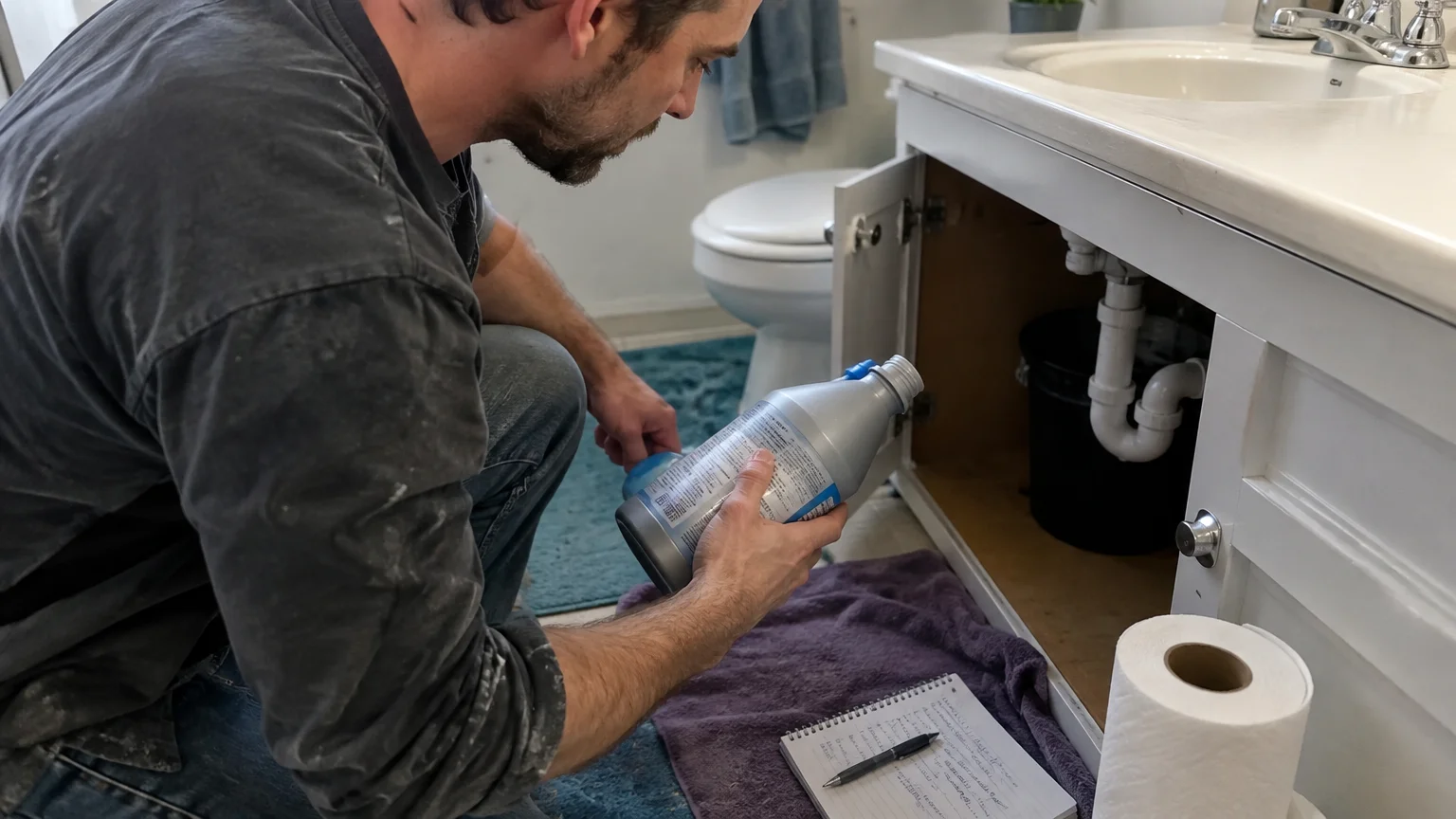
Contact a professional when the drain stays blocked, several fixtures are affected, or wastewater backs up. Contact one sooner when the home has a sewage smell, wet soil near the tank, or past septic trouble.
A professional may ask if the product reached the tank. The answer depends on the drain, water flow, and blockage. The next step may be drain work, an inspection, septic pumping, or simple monitoring.
One use does not automatically mean the home needs a septic tank replacement. The system should be judged by its condition and symptoms.
Which common drain products should septic owners avoid?
Septic owners should avoid routine use of harsh chemical cleaners. This is especially true when a mechanical option can clear the clog. Products that dissolve hair, grease, or roots may still burn tissue or stress plumbing.
Also avoid products that promise to fix a septic tank without finding the cause. No bottle can repair a cracked tank, broken baffle, crushed pipe, or failing drainfield.
Chemical cleaners and corrosive ingredients
Never mix a drain cleaner with another household product. Acidic cleaners, bleach, ammonia, and caustic openers can react in dangerous ways. Never guess about chemical safety.
Use only products that match the fixture and label directions. Even then, occasional use should not become the main drain plan. A repeated clog needs a proper check.
Septic additives also need care. Most working systems receive needed bacteria through normal waste. Adding products may not improve treatment. It may also make the tank harder to understand.
Items that should never enter household drains
The following items can cause clogs, pipe damage, or septic strain:
- Flushable or disinfecting wipes, even when the package says they can flush.
- Grease, cooking oil, and thick food scraps from the kitchen.
- Paper towels, tissues, diapers, and cotton products.
- Paint, solvents, pesticides, and other hazardous household chemicals.
- Medications and personal care products that do not belong in wastewater.
- Cat litter, coffee grounds, and yard waste.
Local disposal rules may differ. Property owners in Athens can check local guidance for hazardous waste and medicine disposal. Keeping these items out of the septic system helps protect pipes and soil.
How do you protect a septic system from drain problems?
Protecting a septic system starts with simple habits, careful water use, and timely service. Fix leaking fixtures. Keep grease out of drains. Use strainers where food or hair may enter.
Know where the tank and drainfield are located. Clear records help future owners, tenants, and service workers avoid damage. A local health office or property file may have permits, records, or site plans.
A perc test is a soil test that shows how well water moves through soil. It can help with septic planning. It does not replace tank pumping or a service visit. Home buyers should ask for system records and a qualified inspection.
Key takeaways
- Drano is not the best first choice for a septic home.
- A plunger or drain snake is often safer for a small local clog.
- Never mix drain cleaners or use a tool after chemical cleaner without safety advice.
- Several slow fixtures may point to a main line or septic problem.
- Regular pumping, careful disposal, and prompt repairs help protect the system.
When septic tank pumping or an inspection may be needed
Septic tank pumping removes settled solids and floating scum from the tank. It does not clear every household drain clog. An inspection checks the tank, pipes, baffles, liquid levels, and visible damage.
The right service depends on the symptoms and system history. A full tank may cause backups. A blocked line can cause similar signs. A damaged drainfield may cause wet soil or sewage odors outside.
Septic Tank Pumping Athens can help property owners understand the next step for a slow drain or septic concern. Contact us to discuss the symptoms and arrange the right septic service.
Frequently Asked Questions
Is Drano septic tank safe for occasional use?
A product label may allow use in a septic home, but occasional use is not risk-free. The cleaner can affect plumbing, remain in a blocked line, or reach the tank. A plunger or drain snake is usually a better first choice. Follow the exact label and never mix products.
What is a septic tank?
A septic tank is a buried container that receives wastewater from a property. Solids settle, floating material rises, and liquid leaves through an outlet toward the drainfield. Bacteria break down some waste inside the tank. The tank still needs inspection and pumping to remove buildup.
What is a septic system?
A septic system treats household wastewater on the property. It usually includes a tank, inlet and outlet pipes, a drainfield, and soil. The tank settles solids. The drainfield receives liquid for more soil treatment. A problem in any part can cause slow drains or backups.
How deep should a septic tank be?
Septic tank depth varies by tank design, soil, property grade, and local rules. Do not dig to find one. Digging can damage the tank or pipes. Septic records, locating tools, and a trained professional are safer ways to find access points.
How can someone find septic tank records online?
Records may be held by a county health department, environmental office, building department, or local records portal. Files may include permits, site plans, and inspection notes. Confirm that a record matches the current home. Systems and additions can change over time.
If you are unsure what you are dealing with, have the issue checked before it becomes a larger problem.
If you are not sure what you are dealing with, it is worth having someone look at it before it turns into a bigger job. Get in touch with Septic Tank Pumping Athens today and we will tell you where you stand.