For most homes, how often to clean septic tank systems depends on tank size, household size, water use, and the solids inside. A regular inspection helps set a schedule that fits your property. Do not wait for a backup, because warning signs may appear after waste has already reached the drainfield. In Athens, keeping clear records can help you plan care before problems grow.
In everyday use, “cleaning” usually means septic pumping: removing waste from the septic tank. The right time depends on the system’s condition, not only on a calendar reminder. This guide explains what homeowners can safely check, what a technician should handle, and how to plan routine care in Athens. It also explains how to find records and what to ask during a visit.
Table of Contents
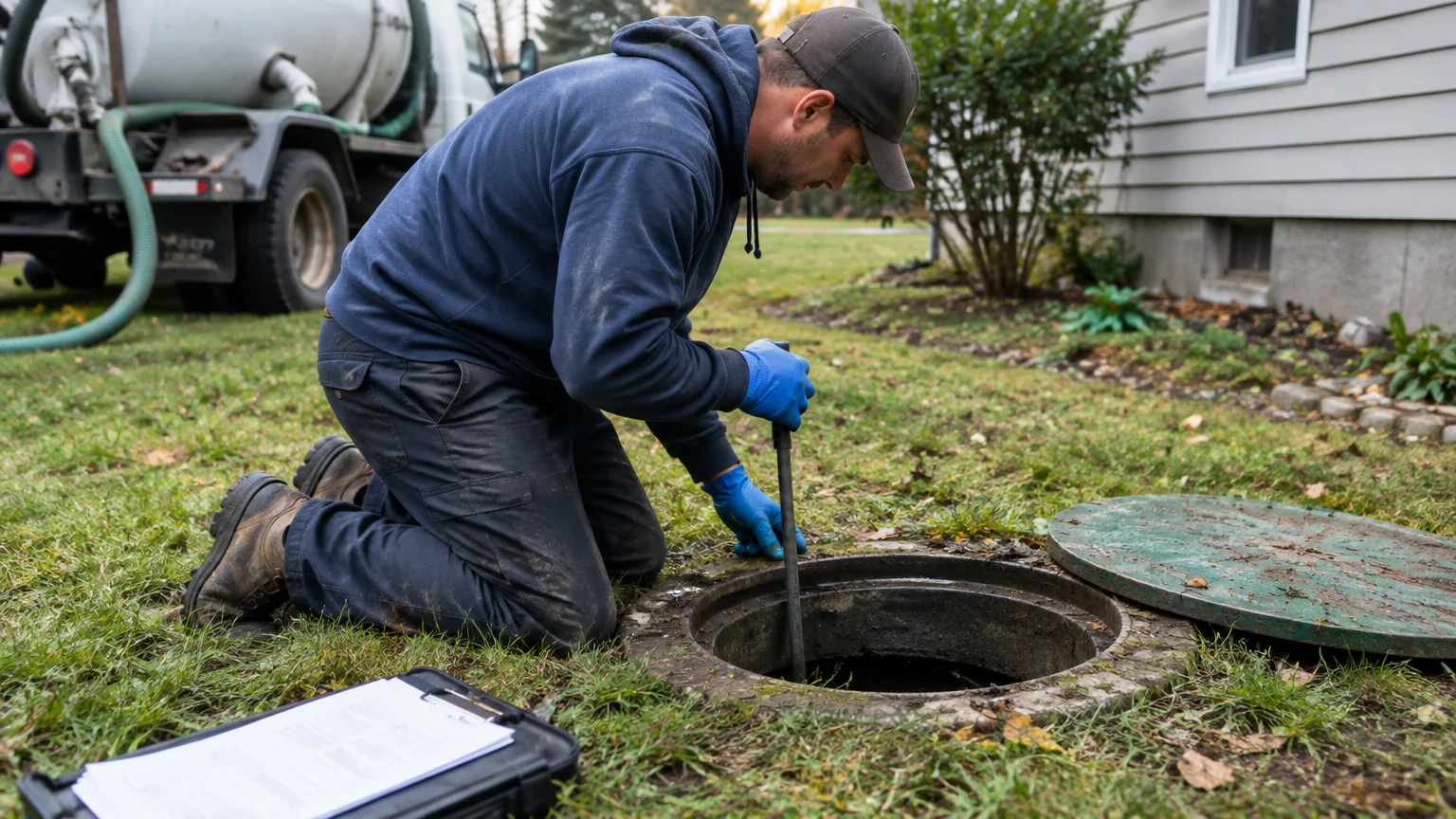
- How often should a septic tank be pumped?
- How can you tell whether your septic tank needs pumping?
- What can homeowners safely do and how can they prepare?
- What happens during a septic tank inspection and pump-out?
- What can go wrong if a septic tank is pumped too rarely?
- Can a septic tank be pumped too often?
- When should you call a septic professional?
- Frequently Asked Questions
- Key takeaways and conclusion
How often should a septic tank be pumped?
There is no one schedule that works for every home. How often a septic tank needs pumping depends on its size, the number of people using it, water use, and how quickly solids build up. An inspection can show if pumping is needed now or if it can wait. The tank’s measured condition is a better guide than a calendar reminder by itself.
A septic system treats wastewater on the property. The septic tank holds wastewater while solids settle at the bottom. Lighter material forms a layer at the top. Partly treated liquid then moves to the drainfield, where soil treats it further. Pumping removes built-up solids before they can leave the tank and harm other parts of the system.
Household size, tank capacity, and water use
More people usually send more water and waste into a tank. A smaller tank may fill with solids sooner than a larger tank serving the same number of people. Daily habits matter, too. Long showers, many laundry loads, and running several water-using items at once can add pressure to the tank and its pipes.
The number of bedrooms may help describe a home, but it does not tell the whole story. A home with few full-time residents may use less water than a busy home with guests. Changes in who lives at the property can also change how much the system handles. Tell the technician if the household has grown, become smaller, or started using more water.
The amount of water entering the tank at one time matters, as well as total use. A large rush of water can move waste through the system before solids have time to settle. Fix leaks, spread laundry through the week, and avoid several water-heavy tasks at once. These steps can reduce extra strain, but they do not replace inspections or needed pumping.
Solids, system condition, and inspection findings
A garbage disposal sends food scraps into the tank, adding material to the solids layer. Grease, cooking oil, wipes, and hygiene products can cause trouble, too. Even products marked “flushable” may not break down like toilet paper. A better habit is to flush only human waste and toilet paper.
A damaged tank, blocked pipe, or worn part may need care even when the tank does not seem full. A new tenant, a household change, or a change in how a business uses water can also affect the system. Tell the technician about recent changes. This helps the check reflect real use instead of guesses based only on the property.
A trained technician checks the tank and measures the space taken up by solids. Those findings help set a useful pumping plan for the property. The plan should consider tank size, condition, use, and past records. Keep inspection and pump-out notes so the next technician can compare changes over time. Septic Tank Pumping Athens can help property owners understand inspection results and care needs.
A septic tank riser is an access point that brings the tank opening closer to the ground. It can make later checks easier, but it does not make unsafe work safe. Tank depth and location vary from one property to another. If the lid is buried, do not dig without knowing where it is. Records or a trained professional can help find it. Learn more about septic systems and the services that may help care for them.
How can you tell whether your septic tank needs pumping?
Inspection records and measurements tell you more than household signs alone. Slow drains or a sewage smell may point to trouble, but they do not prove that pumping is the only answer. A blockage, damaged part, or drainfield issue can cause similar signs. A professional check helps find what is really happening.
Keep notes about the inspection date, what the technician found, work completed, and any next steps. These details help show whether solids are building up and how the system has changed. If you are new to the property, ask the seller, manager, or local records office for septic papers. Past notes can help you learn the system’s history.
During an inspection, a technician can check the tank and measure its layers. The results help show whether waste needs to be pumped and whether the tank or its parts need repair. Do not try to measure tank contents yourself. Opening a lid can expose you to dangerous gases and create a fall risk.
A strong sewage smell, wet ground near the drainfield, or a toilet that backs up needs prompt attention. These signs may mean wastewater is not moving through the system as it should. They are not a safe reason to open a tank or start digging. Some systems show few clear signs until trouble becomes serious, so do not wait for a problem before arranging an inspection.
Write down when a sign began, which fixtures are affected, and whether water use changed recently. These facts can help the technician decide what to check. One sign alone does not prove the tank needs pumping. It could point to a plumbing blockage, a damaged part, or a drainfield problem instead.
What can homeowners safely do and how can they prepare?
Homeowners can manage daily water use, keep service records, and keep vehicles or heavy loads off the drainfield. These simple steps do not need a professional. Work inside a tank, on electrical parts, or on damaged system parts should be left to trained workers. Suspected drainfield trouble also needs a professional check because these jobs can involve serious risks.
Spread laundry loads through the week instead of sending a large rush of water into the system. Fix dripping taps and running toilets, use water with care, and keep grease, paint, chemicals, wipes, and food scraps out of drains. These habits can limit extra water and solids. They cannot repair a failing system or take the place of an inspection.
Keep a simple record of inspections, pumping, repairs, and changes in who uses the property. When a new tenant or owner takes over, share the notes to prevent guesswork. For landlords and property investors, clear records help everyone understand the system’s past and any advised follow-up. These details are useful whether the property is a home or a business.
Keep the area around known access points clear of sheds, paving, parked vehicles, and heavy items. Mark the general location so future service is easier to plan. Keep paths clear when an inspection is due. Never remove a lid to look inside, and never enter a septic tank. Tank gases can cause serious harm, even when the tank seems empty.
You can look across the yard from a safe distance for unusual wet spots or odors. That is different from opening the tank, lifting a heavy cover, or digging for buried parts. If you do not know where the lid is, check property records or ask a professional to help. Do not guess where to dig.
Preparing for an inspection or pump-out
Preparation is simple: gather records, make the tank area easy to reach, and tell the technician about changes or symptoms. Homeowners should not open the tank or uncover a heavy lid. Clear details can help the visit focus on what the system needs. They also reduce the chance of using a wrong guess about the tank’s history or location.
Look for a property diagram, permit papers, inspection notes, or records from past owners. These may show where the tank and drainfield are located. If you cannot find records, a technician can talk with you about safe ways to find the tank. Do not assume it is in one spot or at one depth, because each property can differ.
The phrase “septic tank buried depth” has no single answer for every home. Soil, site design, and installation choices affect how deep a tank sits. A professional can help locate it without putting you at risk. Before the visit, secure pets and make sure the technician can reach the area.
Tell the technician how many people use the system and whether that number has changed. Share recent plumbing work, heavy water use, slow drains, odors, or wet ground. Mention if the home sat empty for a long time or is used only for part of the year. These details can help explain what the technician finds.
If the property is rented, ask the manager or owner for service records before the visit. Tenants can report signs but should not try to repair or open the system. For a business, describe what kinds of wastewater enter the system and whether daily work has changed. Honest details help the professional make a clearer check.
What happens during a septic tank inspection and pump-out?
A technician checks the tank’s condition and contents, then explains whether pumping or other work is needed. If a pump-out is right, the technician removes built-up solids and records useful findings. The visit should also help the owner understand next steps and any care the system may need later.
A technician finds and accesses the tank using safe work steps. They can check visible parts and measure the layers of solids and liquid. These checks help show whether the tank needs pumping. The technician may also note a damaged cover, access trouble, or signs that wastewater is not flowing as expected.
Pumping is not the same as fixing every part of a septic system. Removing waste does not repair a broken pipe, blocked line, or drainfield problem. If the check finds another concern, ask what the technician saw and what should happen next. A clear answer helps you plan instead of assuming pumping fixed everything.
Ask what the measurements mean, whether the tank was pumped, and whether any parts need repair. Ask what records to keep and when to arrange another inspection. If the technician found a problem, ask which signs need quick attention. Keep the answers with the property’s service notes.
A useful septic pumping service explains its findings in plain words. Owners should understand what work was done and what still needs attention. Septic Tank Pumping Athens can discuss inspection results with homeowners, landlords, and property managers. Clear notes can help future occupants avoid relying on memory or guesswork.
What can go wrong if a septic tank is pumped too rarely?
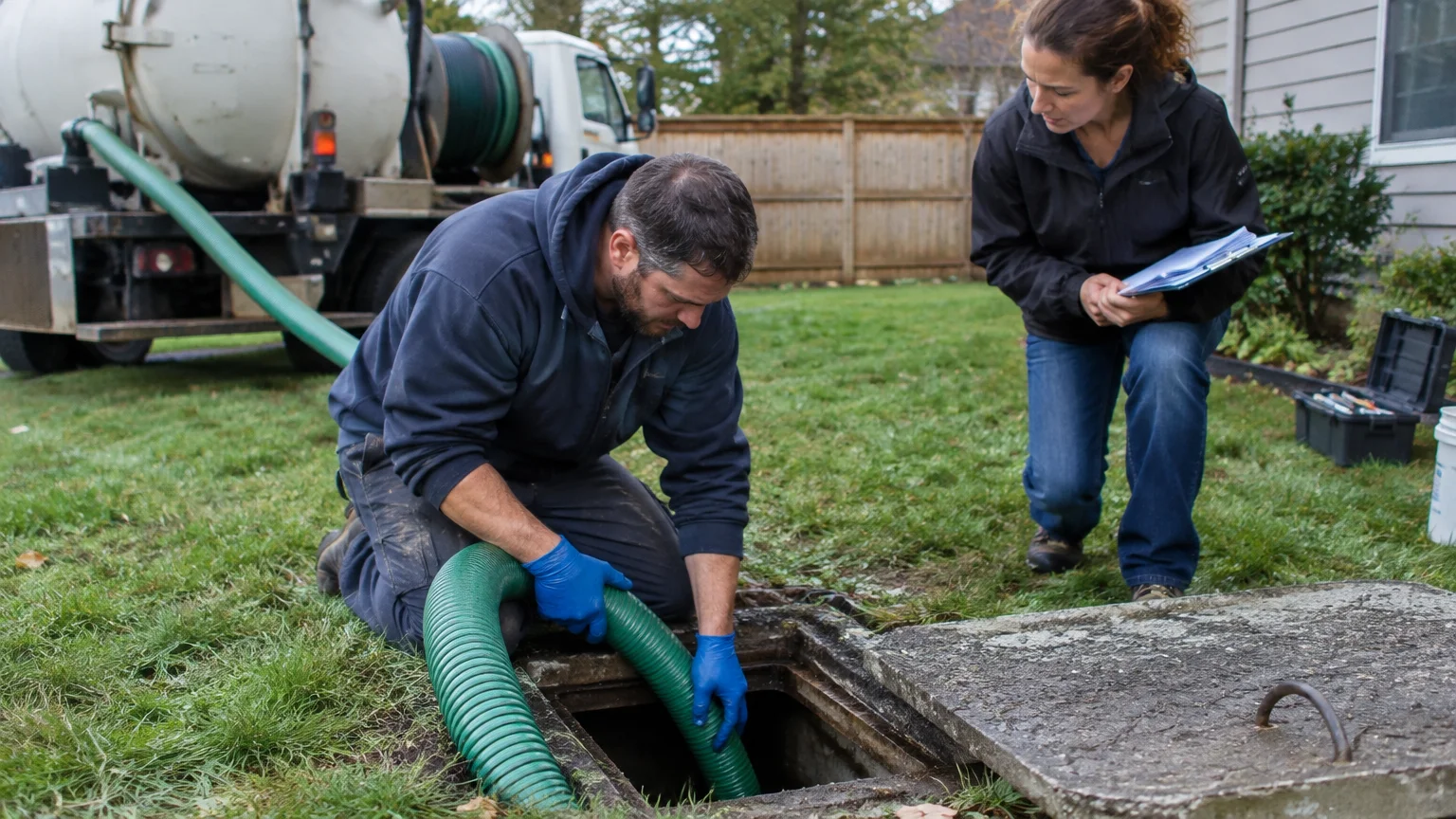
When too many solids build up, they can leave the tank and move into the drainfield. This can clog soil or harm parts of the system. Waiting for a backup is risky because wastewater trouble may be harder to manage after it reaches the home or yard. A drainfield problem may need more than routine pumping.
The drainfield is the part of a septic system that receives liquid from the tank and lets it pass through soil. If too many solids leave the tank, they can block the flow and affect how the field works. A damaged or failing drainfield may need work beyond a pump-out. Early checks can help spot trouble sooner.
A slow drain does not prove that solids have reached the drainfield. Still, changes in how drains work, new odors, or unusually wet ground need attention. Do not drive or park over the drainfield, since heavy loads can harm buried parts. Do not plant trees or dig there unless you know where the system is.
Sewage backing up into a home or pooling on the ground can expose people and pets to harmful waste. Keep children and animals away from affected areas. Use less water if wastewater is backing up. Arrange a professional check rather than touching or cleaning sewage without proper protection and advice.
Pumping may be part of the answer, but it may not fix the cause. A blocked pipe, damaged tank, or drainfield failure can cause similar signs. Tell the technician what happened and when it began. Acting quickly can limit contact with wastewater and help the professional find the source.
Can a septic tank be pumped too often?
Yes. Pumping a tank without checking its condition may be unnecessary. A useful schedule considers inspection results, tank size, and household use instead of repeating pump-outs on an arbitrary timetable. Ask the technician to explain why pumping is advised and what the inspection showed.
A tank does not need pumping only because a certain amount of time has passed. If it has room and the system is working as it should, a pump-out may not be needed yet. A busy household or a smaller tank may need care sooner than expected. A schedule that works for one property may not fit another.
Pumping does not remove the need for regular inspections. A tank can have a damaged lid, pipe, or other problem even when its solids are not high. Before work starts, ask what the inspection found and what the recommended work will address. Knowing the reason can help prevent missed repairs and unneeded work.
Use the technician’s measurements and written notes as a starting point. Keep records so the next check can compare the tank’s condition over time. If the household grows, water use changes, or signs appear, update the plan. Do not rely only on an old reminder.
For a rental home or a property being sold, pass service records to the next responsible person. A first-time buyer can ask whether the tank and drainfield were checked and whether any work was advised. The goal is a plan based on the system, not a promise that one schedule fits every home.
When should you call a septic professional?
Call a septic professional when records are missing, signs appear, or the system’s condition is unclear. Prompt help matters if sewage backs up, the yard becomes unusually wet, or a strong sewage smell develops. Do not wait for signs to set a pumping plan. They may point to a problem that needs more than routine care.
Watch for several signs, and share them with the technician:
- Sewage backing up into sinks, tubs, or toilets.
- A sewage smell inside the home or near the system.
- Wet or unusually green ground over the drainfield.
- Slow drains across more than one fixture.
- A damaged, loose, or missing tank cover.
One sign does not always mean the tank needs pumping. It does mean the system should be checked, especially if the sign is new or getting worse. Note where it appears and whether it changes when water use changes. Keep people and pets away from sewage or standing wastewater.
Homeowners can use water with care and keep records, but they should not enter a tank, open an unsafe lid, or handle sewage. A professional should check damaged parts, electrical equipment, or suspected drainfield failure. These jobs can put people at risk in ways that simple home care cannot address safely.
Never climb into a septic tank. Dangerous gases can build up inside, and a person may lose consciousness without warning. A tank also creates a risk of falling or drowning. Do not lean over an open tank or try to rescue someone by entering it. Call emergency services if someone is in danger.
Tank covers may be heavy, unstable, or hidden under soil. Leave lids in place and keep children away from the area. If someone needs access, let a trained technician handle it. Safe home care does not include opening a tank, measuring waste, or using tools inside it.
A cracked tank, exposed pipe, sewage spill, or wet drainfield needs professional care. Do not patch or bury damaged parts yourself. Do not flush chemicals to try to clear a blockage. Chemicals may harm the system and will not show what caused the problem.
If wastewater appears inside the home, keep people and pets away. Use less water while arranging help, and tell the technician what happened and when. The problem may involve the tank, plumbing, or drainfield. For owners around Athens, including Downtown Athens, Watkinsville, Bogart, Bishop, and Winterville, a septic professional can explain what steps fit the findings.
Set a reminder to review system records and arrange an inspection when needed. Save the technician’s notes, dates, measurements, and repair details together. If the home is sold or rented, share these notes with the next owner or manager. Clear records make future choices easier and help prevent missed care.
A professional can explain whether the system needs pumping, repair, or more checks over time. The best plan reflects the tank, household, and inspection results. Contact us to discuss an inspection or pump-out with Septic Tank Pumping Athens.
Frequently Asked Questions
What is a septic tank? A septic tank is a buried container that receives wastewater from a home or property. Solids settle inside it, while lighter material floats. Liquid then moves toward the drainfield for more treatment in the soil. The tank is one part of a septic system, not the whole system.
What is a septic system? A septic system treats and manages wastewater on a property that is not connected to a public sewer. It often has a tank, pipes, and a drainfield. Each part has a job, so a backup or wet yard may involve more than the tank. An inspection can help find the cause.
How deep is a septic tank buried? There is no one depth for every tank. Its location depends on the property and how the system was put in. Check site records if they are available, or ask a professional to find it. Do not dig without a clear plan, since buried pipes and other parts may be nearby.
How can a homeowner find a buried septic tank? Start with property records, permits, or diagrams from past owners. If they do not show the tank, ask a septic professional to help find it safely. Do not guess where it is or dig around the yard at random. A trained person can help locate the access point and lower the risk of damage.
What is a septic tank riser? A septic tank riser is an access structure that brings a tank opening closer to the ground. It can make later inspections easier, but it does not make it safe for a homeowner to open the tank or enter it. A professional should handle tank access and inspection.
Key takeaways and conclusion
- Pumping needs depend on tank size, household use, and inspection results.
- Inspection notes and measurements guide care better than a calendar alone.
- Simple daily habits can reduce extra water and unwanted solids.
- Never enter a septic tank or open an unsafe lid.
- Backups, sewage smells, and wet ground need a professional check.
The best way to decide how often to clean a septic tank is to use inspection results, property use, and service history together. Safe daily habits help, but they do not replace professional checks. Keep records, watch for changes, and act quickly when warning signs appear. Septic Tank Pumping Athens can help you understand the next step for your system. Contact us to discuss your septic system needs.