The answer to how deep is the septic tank depends on the land, tank design, pipes, and site plan. Many tanks sit below the soil, but lids may be shallow or deeply buried. Property records, safe locating, and help from a septic professional can confirm the depth without harming the system.
A buried septic tank can concern a homeowner, tenant, buyer, or investor. A lid may be easy to see, or it may sit under grass, gravel, or plants. Finding it matters because safe access helps with pumping, inspections, repairs, and future property records.
Septic Tank Pumping Athens helps Athens property owners understand tank access and care. The right answer comes from the approved site plan and the property itself. It should not come from a guess based on another home.
Table of Contents
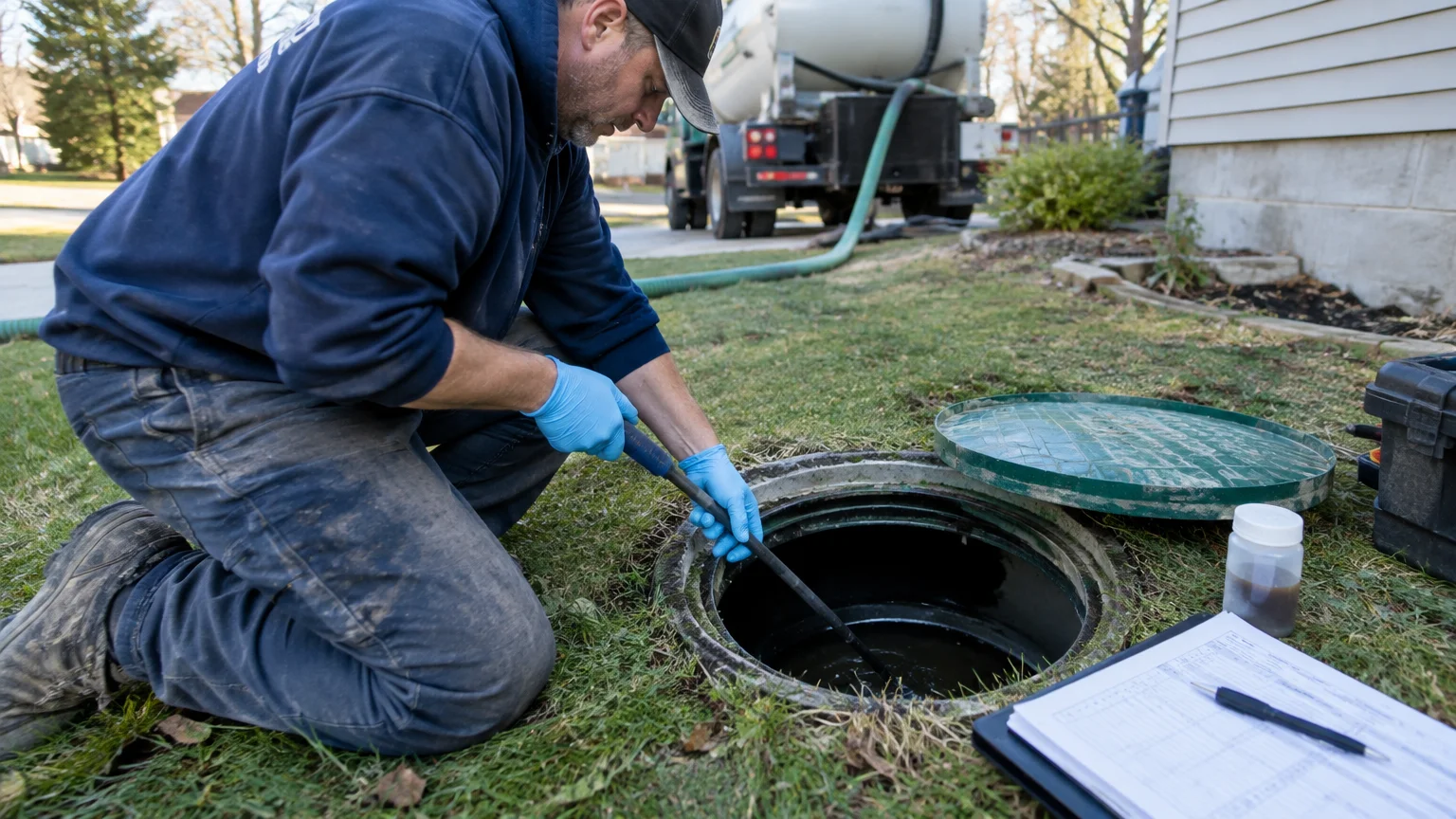
- How deep is a septic tank usually buried?
- What determines how deep a septic tank is installed?
- How can you find the depth of your septic tank?
- How far below ground should septic tank lids be?
- Does septic tank depth affect pumping and maintenance?
- What setbacks apply to a septic tank and drainfield?
- What should you do if you cannot find or safely access the tank?
- Frequently Asked Questions
- Key takeaways
- Conclusion
How deep is a septic tank usually buried?
A septic tank is often below the ground, but its depth can vary. Some tanks sit close to the surface. Others have several feet of soil above them. The inlet and outlet pipes, soil, slope, tank shape, and local rules all affect the final depth.
Typical tank depths for common septic system designs
Many home septic tanks are buried deep enough to protect the tank and pipes. Soil cover can help limit damage from weather, yard work, and light traffic. Still, no standard depth works for every home.
Some tanks have lids close to the ground. Others have lids below the finished grade, especially on sloped land or near a raised drainfield. Concrete and plastic tanks may have different shapes and access points. The tank may also be deeper than the lid suggests.
The most useful measurement is the space between the ground and each lid. A tank may have more than one lid. Those lids may not sit at the same depth. During service, a professional may check the inlet, outlet, and center access points.
Why the tank lid may be closer to or farther from the surface
Yard changes can alter the depth you see. Soil may be added during grading, or erosion may uncover part of a lid. A driveway, patio, garden, or raised bed may also hide an access point or add weight above it.
Do not drive heavy equipment over a suspected tank. The cover may be strong, but nearby soil and access parts may not hold vehicle weight. Keeping lids clear and marked makes future septic tank pumping safer and easier.
What determines how deep a septic tank is installed?
Septic tank depth depends on the home, tank, drainfield, and land slope. The installer must create a path for wastewater to flow. The system must also protect nearby wells and water. The approved site plan gives the best record of this design.
Soil, slope, drainage, and local site conditions
A sloped yard may let wastewater flow to the tank by gravity. A flat yard may need another layout or a pump part. Soil type also matters. Wet, rocky, sandy, or hard soil can change the work and drainage.
The water table is another concern. The tank and drainfield must be placed so wastewater can receive safe treatment. Local health offices may review soil tests, water levels, and the planned system before work starts.
Drainage near the tank matters too. Rain should flow away from lids and risers. Standing water can make access unsafe. It may also point to a grading or drainage issue.
Tank size, inlet and outlet pipes, and system layout
Tank size changes the shape and space needed for a system. It does not create one set burial depth. The inlet pipe connects the home sewer to the tank. The outlet pipe leads toward the drainfield. Their heights often guide the tank location.
A septic system collects, settles, and treats household wastewater. The tank holds wastewater while solids settle. Liquid then moves toward the drainfield. The drainfield gives the soil more time to treat that liquid.
A system may also have a second tank, pump tank, filter, or distribution box. These parts can change the layout. Digging in one spot may miss the tank or harm a pipe. A site plan is safer than guesswork.
How can you find the depth of your septic tank?
The safest way to find tank depth is to check records first. Then locate the tank without force and measure the access points with care. Do not dig blindly near pipes, wires, or lids. A professional can help when records are missing or unclear.
Checking property records, installation plans, and access points
Start with closing papers, permits, inspection reports, and septic plans. A local health or environmental office may keep records. Past owners, landlords, builders, and service notes may also show the tank location.
The building sewer can give you a useful clue. It often leaves the home and runs toward the tank. The route may change around additions, driveways, or other buildings. A cleanout may help, but it does not prove the tank location.
A professional may use a probe, electronic locator, or another safe tool. The best method depends on the soil, surface, and system design. The goal is to find the lid without cracking it or harming a pipe or drainfield.
Safe ways to locate buried lids without damaging the system
Some simple upkeep is safe for a homeowner. You can trim grass, clear loose debris, note visible markers, and keep cars away from the suspected tank. These steps help without opening the tank or digging deep.
Stop if the ground becomes weak, a lid looks damaged, or you find a buried cable or pipe. Septic gases can harm people. An open tank also creates a fall hazard. Never enter a tank or lean over an open access point.
After you know the depth, record it with photos and measurements. Add a simple sketch of the yard. This helps tenants, buyers, workers, and future owners find the system later.
How far below ground should septic tank lids be?
Septic tank lids should be secure, firm, and easy to reach for service. Their best position depends on the tank and local rules. A lid buried too deeply can make care harder. An exposed or damaged lid can create a safety risk.
Why accessible lids matter for inspections and pumping
Pumping a septic system requires safe access to the tank. A worker may need to open more than one lid. This helps remove solids and inspect key parts. One small opening may not give a clear view inside.
Accessible lids also help with regular care. Filters, baffles, alarms, and pipes may need checks. When access points are known and protected, service can cause less digging and yard damage.
The soil around a lid should be firm and level. Do not plant deep-rooted plants right above the tank. Keep notes after adding soil, paving, or changing the yard level.
When risers can improve access to a deeply buried tank
A riser is a tube that extends from a tank lid toward the ground. A proper riser can reduce future digging. It can also make inspections easier. The riser needs a sealed cover that can support the right amount of weight.
A septic professional should choose the riser and check its fit. Local approval may also be needed. Poor work can let rain enter the tank, release gases, or create an unsafe cover for people and pets.
Does septic tank depth affect pumping and maintenance?
Yes. Tank depth can affect how workers reach the lids and set up equipment. It can also affect yard protection and service plans. Depth alone does not show that a system has failed. Hard access can make routine care more important.
How depth changes access, equipment setup, and service planning
A shallow tank may be easier to find, but it still needs clear space around its lids. A deeply buried tank may need careful digging or a riser. Soil, slopes, driveways, and nearby buildings can affect the visit too.
Tell the service provider where the tank may be and what covers it. Mention recent grading, floods, building work, or landscaping. These details help the provider plan the visit and avoid damage.
Regular septic pumping removes settled solids from the tank. The right schedule depends on household size, tank size, water use, and the solids found during service. A local professional can help create a schedule based on the actual system.
Signs that buried or difficult-to-access lids need attention
Several signs show that the access setup may need review:
- The tank cannot be found with the available plans or safe surface clues.
- Soil has covered a lid after grading or landscaping work.
- A lid is cracked, loose, missing, or surrounded by soft soil.
- Rainwater gathers around the access point after storms.
- A contractor plans to pave, build, or plant near the tank.
These signs do not always mean the tank has failed. They do mean you should avoid guessing. Arrange a careful check instead. Septic Tank Pumping Athens helps Athens homeowners gather useful information before septic pumping work.
What setbacks apply to a septic tank and drainfield?
Setbacks are required spaces between a septic system and nearby features. These may include buildings, wells, property lines, water, and drainage areas. Rules vary by state, county, and health office. The approved plan and current local rules control placement.
Common separation points from buildings, wells, property lines, and water
A tank and drainfield may need space from the home, sheds, wells, streams, ponds, wetlands, property lines, and steep slopes. Roads, pools, paved areas, and buried utilities may also affect the layout.
The tank and drainfield may not have the same setback rules. A tank could be closer to a building than the drainfield. A well may need more protection from the treatment area. A professional or local permit office can explain each rule.
A perc test is a soil test that checks how fast water moves through soil. It may be part of a septic review or new system approval. Local health officials or approved soil workers may perform or oversee it.
Why local regulations and the approved site plan control placement
Do not move a tank, add a drainfield, or build over a system based on a neighbor's layout. Soil, lot size, water, and past permits may differ. A plan that works on one lot may not work on another.
Keep the permit, site plan, tank location, and service notes together. Before buying or improving a property, ask who completed the inspection. Check whether the records match what you can see in the yard.
For local context, Septic Tank Pumping Athens serves property owners across the main Athens area. This includes Downtown Athens, Watkinsville, Bogart, Bishop, Winterville, and nearby communities. The local authority should confirm current rules for each property.
What should you do if you cannot find or safely access the tank?
Stop digging when the location is unclear or the ground feels unsafe. Stop if a lid will not open without force. A qualified septic professional can locate the tank and check its access points. Guessing may damage the system or cause a fall or gas hazard.
When to stop digging and contact a septic professional
You may check records and clear loose surface debris yourself. Do not enter a tank, break a lid, cut unknown pipes, or drive heavy equipment over it. Strong odors, standing wastewater, weak soil, or a damaged cover need extra care.
Professional help is important before a property is sold, rented, remodeled, graded, paved, or landscaped. The provider may locate the tank and drainfield. They may also measure access depth and note problems that need more work.
A septic problem may not look like an indoor plumbing problem. Slow drains, wet spots, bad smells, sewage backups, or bright green growth near the drainfield can signal trouble. Do not cover these signs with more soil.
What to document for future owners, tenants, and maintenance visits
Keep a record of the tank location, access depth, lid condition, riser details, drainfield area, permits, and service dates. Take photos that show nearby fixed features. These may include a house corner, driveway, fence, or utility marker.
Also note repairs, added soil, flooding, landscaping changes, and known setbacks. Tenants should tell the owner about access problems or wastewater concerns. Buyers and investors should request records before making property plans.
Frequently Asked Questions
How deep should a septic tank be?
There is no single depth for every septic tank. A tank may be shallow or several feet below the soil. The building sewer, slope, soil, tank design, and local rules all matter. The approved plan and a careful lid measurement give a better answer.
How far is a septic tank from a house?
The distance depends on local setbacks, the sewer route, lot shape, and system design. The drainfield may have different rules. Check the approved plan and local health requirements before building, grading, or moving the system.
Who performs a perc test?
A local health office, approved soil worker, engineer, or other qualified evaluator may perform or oversee a perc test. The exact role depends on the state and county. Ask the local permit office who can perform the test in Athens.
How does a septic system work?
A septic system collects wastewater from a building in a buried tank. Heavy solids settle, while lighter material rises. Liquid moves toward the drainfield. Soil gives the liquid more treatment. Regular inspections and septic pumping help protect the drainfield.
Can a homeowner uncover a septic tank?
A homeowner can check records, clear loose debris, and make safe surface checks. Deep digging is risky when the location is not known. A professional should locate buried lids and check damaged covers. No one should enter a septic tank or lean over an open lid.
Key takeaways
- Tank depth depends on the land, pipes, design, and approved site plan.
- Lids should stay secure, protected, and easy to reach.
- Records and careful locating are safer than blind digging.
- Risers may help with deeply buried lids when installed correctly.
- Setbacks vary by local rules and differ for tanks and drainfields.
Conclusion
The answer to how deep is the septic tank differs from one property to another. Soil, slope, pipes, tank design, drainage, and local rules shape the final depth. A visible lid does not show the full tank depth. A hidden lid does not prove the system is damaged.
The best plan is simple. Check the records, protect the area, and write down what you learn. Stop when digging becomes unsafe or uncertain. Septic Tank Pumping Athens helps Athens property owners prepare for safe inspections, septic pumping, and access planning.
Contact us today to discuss septic tank access and maintenance with Septic Tank Pumping Athens.